
Advanced Spine & Trauma Implants
Soluciones Ortopédicas
Discover WEGO advanced orthopedic implant systems engineered to restore spinal stability, correct deformities, and support long-term biomechanical performance across thoracolumbar fixation, cervical procedures, and complex trauma reconstruction.
WEGO Orthopedic Solutions delivers a comprehensive portfolio of spine and trauma implants designed to meet the demanding needs of modern orthopedic and neurosurgical practice. From degenerative spinal disease to trauma, deformity, tumor, and revision procedures, WEGO systems offer high mechanical strength, precise anatomical compatibility, and streamlined instrumentation workflows that support predictable surgical outcomes. Our solutions are built around clinically validated thoracolumbar fixation principles to ensure reliable posterior stabilization and long-term biomechanical integrity.
Our spinal product line covers complete thoracolumbar posterior fixation constructs, motion-preserving stabilization systems, specialized connectors, hooks, screws, rods, cranial adjunct systems, and crosslink components—each engineered for structural reliability and smooth intraoperative handling. As a fully interoperable platform, WEGO implants are developed to function seamlessly within modern pedicle screw system architectures, enabling accurate alignment correction, secure fixation, and efficient intraoperative assembly.
Designed for global clinicians, WEGO’s orthopedic solutions integrate biomechanical research, surgeon feedback, and surgical ergonomics to support both open and minimally invasive approaches. By aligning implant geometry, material performance, and instrumentation logic, WEGO systems enhance construct stability while adapting to evolving standards in spinal stabilization surgery, deformity correction, and multi-level reconstruction.

Flexible bulb used to visualize blood flashback during venous access procedures.

Closed-system access port enabling sterile, leak-free medication administration while reducing needlestick injuries and cross-contamination.

Fine-tuned mechanical regulator enabling clinicians to adjust IV flow precisely during various treatment scenarios.
High-precision device designed to maintain a consistent infusion rate for both continuous fluid therapy and medication delivery.

Secure, medical-grade puncture component ensuring clean, particulate-controlled access to IV fluid containers.
Sterile sealing component designed to maintain catheter patency and prevent backflow during intermittent therapy.

Simple, secure tubing clamp for rapid IV flow stoppage and backflow prevention.

Multi-directional valve allowing controlled switching between IV lines, safe drug admixture, and pressure monitoring.

Provides fine particle retention and stable flow to protect downstream components and maintain fluid purity.
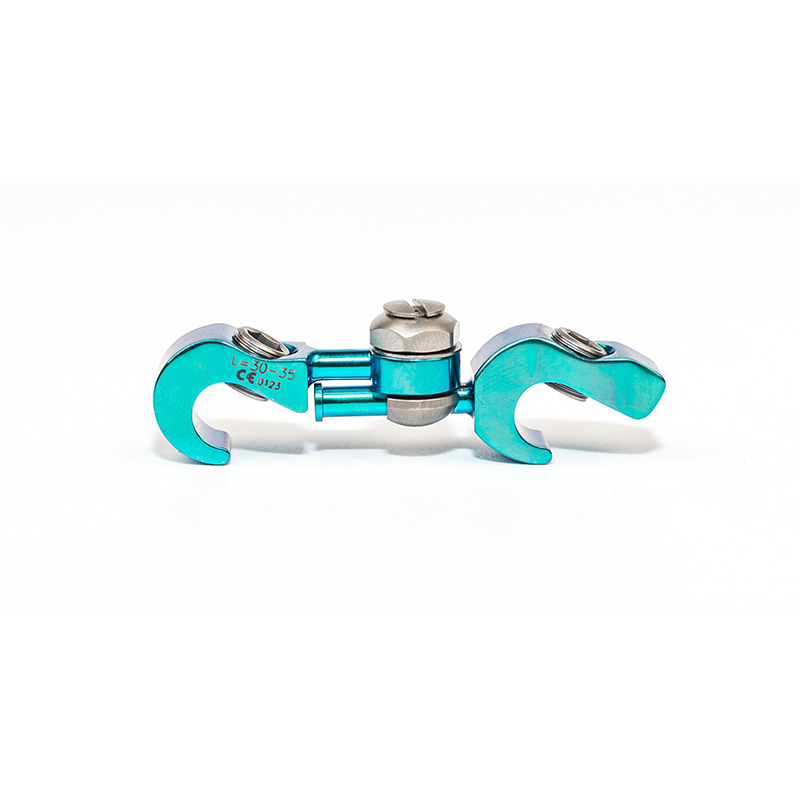
Durable occlusion clamp that allows quick flow interruption and reliable line management.

Provides fine particle retention and stable flow to protect downstream components and maintain fluid purity.

Clinical Principles of Spine Fixation Surgery
Spinal fixation and stabilization procedures are designed to restore mechanical stability, correct pathological alignment, and protect neural structures in conditions such as degenerative disc disease, spinal deformity, trauma, tumors, and revision surgery. In thoracolumbar fixation, the pedicle serves as a critical anatomical anchor, allowing pedicle screw systems to achieve strong three-column fixation while enabling controlled correction in the sagittal, coronal, and axial planes. Proper screw trajectory, diameter selection, and bone purchase directly influence pull-out strength, construct rigidity, and long-term implant stability.
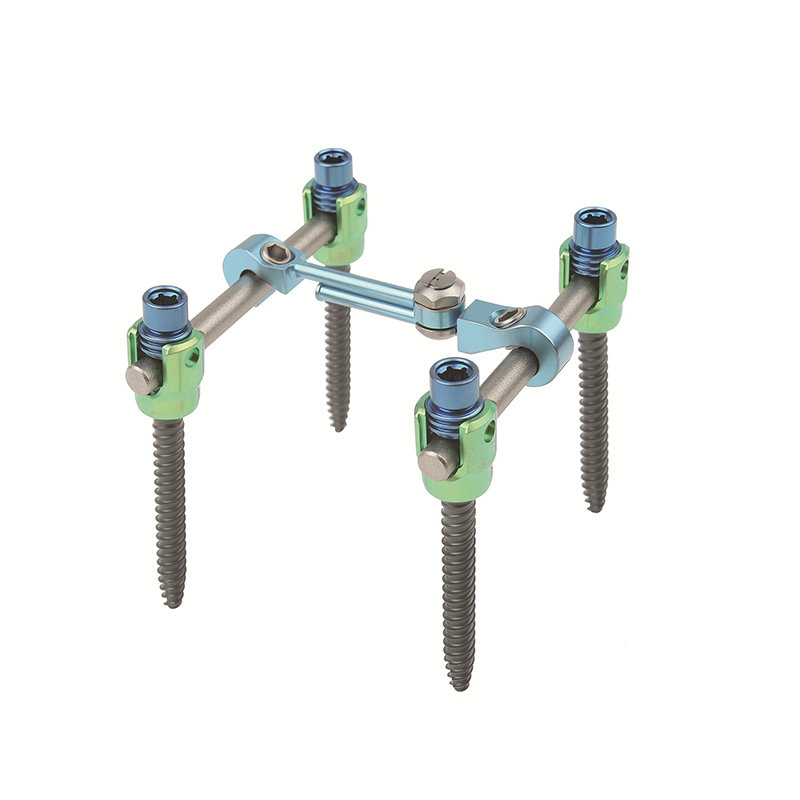
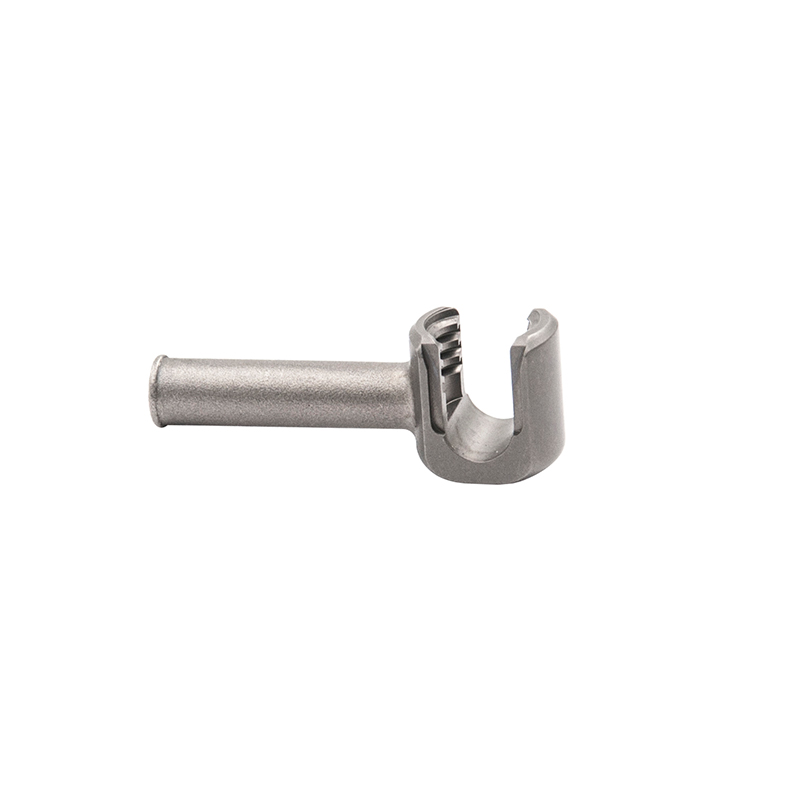
A complete spinal fixation construct relies on the coordinated function of multiple implant components. Pedicle screws provide primary anchorage, while longitudinal rods maintain corrected alignment and distribute biomechanical loads across stabilized segments. Crosslink connectors enhance torsional stiffness and rotational control, particularly in long-segment constructs or deformity correction cases, reducing micro-motion that may compromise fusion. Hooks, lateral connectors, and specialized stabilization devices expand surgical options in anatomically challenging scenarios or revision procedures where standard pedicle fixation may be limited.
Material selection and implant design play a central role in clinical performance. Titanium alloy implants offer excellent biocompatibility and elastic modulus closer to bone, reducing stress shielding, while cobalt-chromium rods provide increased stiffness for severe deformity correction. Advanced locking mechanisms, polyaxial or uniplanar screw designs, and ergonomic instrumentation improve intraoperative efficiency and allow surgeons to balance correction flexibility with final construct rigidity. When integrated within a standardized pedicle screw system, these elements collectively support predictable alignment correction, durable fixation, and improved long-term clinical outcomes across both open and minimally invasive spinal surgery.

Q1. What is the difference between thoracolumbar posterior fixation and cervical fixation?
A: Thoracolumbar fixation relies primarily on pedicle screw systems because the pedicle offers strong cortical purchase, enabling high corrective forces. Cervical fixation uses lateral mass screws, pedicle screws, or hooks depending on anatomy, and focuses more on preserving mobility and protecting neural structures in a narrower operative corridor.
Q2. How do I choose between polyaxial, uniplanar, and monoaxial pedicle screws?
A: Polyaxial screws improve rod alignment and reduce operative difficulty, uniplanar screws allow controlled correction in a single plane for deformity work, while monoaxial screws provide maximum rigidity for high-stability constructs such as traumatic burst fractures.
Q3. What factors determine the fatigue resistance of rods in a pedicle screw system?
A: Rod material (titanium vs. cobalt chrome), diameter, contouring frequency, and construct length all impact fatigue life. Cobalt chrome offers higher stiffness for deformity correction, while titanium provides superior biocompatibility and ease of contouring.
Q4. When are crosslinks indicated in thoracolumbar fixation?
A: Crosslinks are recommended for long-segment constructs, deformity correction, or high-instability fractures, where additional rotational control and torsional stiffness significantly improve construct stability.
Q5. Are WEGO spine implants compatible with minimally invasive surgical approaches?columbar fixation?
A: Yes. WEGO pedicle screw systems, rods, connectors, and stabilization devices are engineered for compatibility with both open and MIS techniques, enabling reduced soft-tissue disruption while maintaining construct rigidity.

