






Centro CSSD
Soluciones para Áreas Estériles
El área estéril es la etapa final y más crítica dentro del Departamento de Suministro Estéril Central (CSSD), donde se inspeccionan, empaquetan, etiquetan y liberan para uso clínico los dispositivos médicos esterilizados. Cualquier desviación en esta etapa puede comprometer los resultados de la esterilización y la seguridad del paciente.
ÁREA DE BIENES CONTAMINADOS
El área estéril es la etapa final y más crítica dentro del Departamento de Suministro Estéril Central (CSSD), donde se inspeccionan, empaquetan, etiquetan y liberan para uso clínico los dispositivos médicos esterilizados. Cualquier desviación en esta etapa puede comprometer los resultados de la esterilización y la seguridad del paciente.
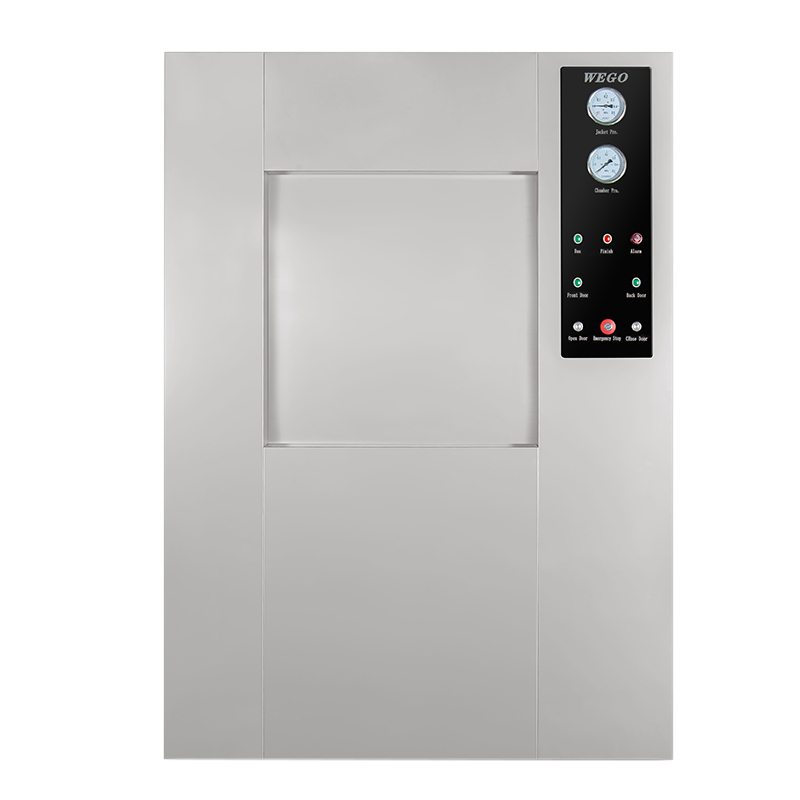
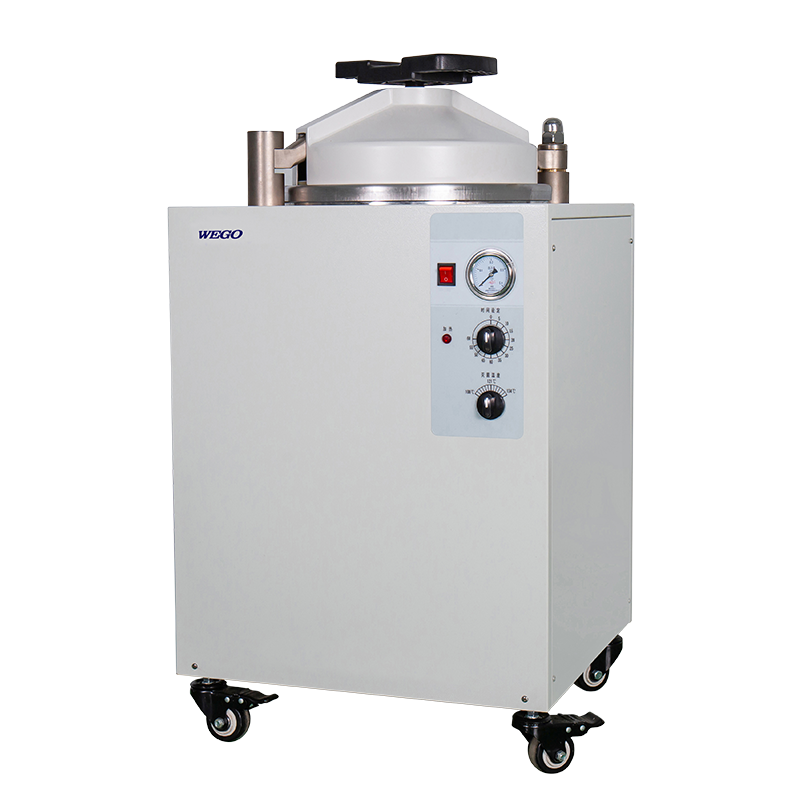
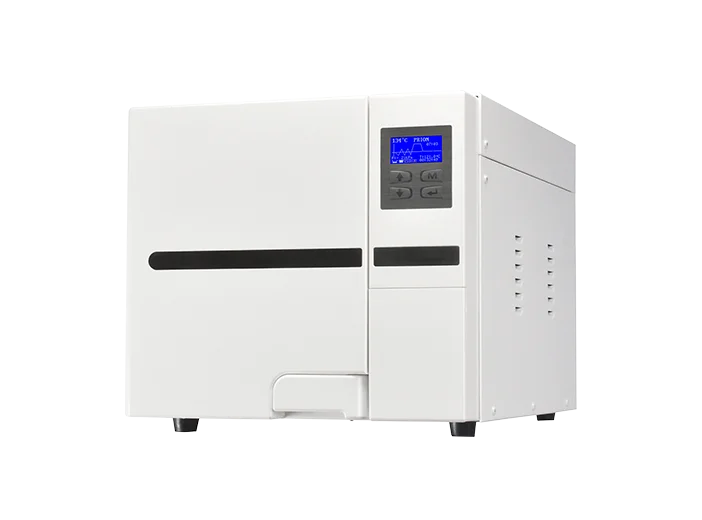
WEGO proporciona una gama coordinada de equipos para el área estéril diseñados para apoyar flujos de trabajo estandarizados, garantizar la integridad del empaquetado y mantener la esterilidad hasta el punto de uso. Nuestras soluciones ayudan a las instalaciones de salud a mejorar la trazabilidad, reducir errores manuales y cumplir con estándares internacionales CSSD en diversos entornos clínicos.

Productos Relacionados
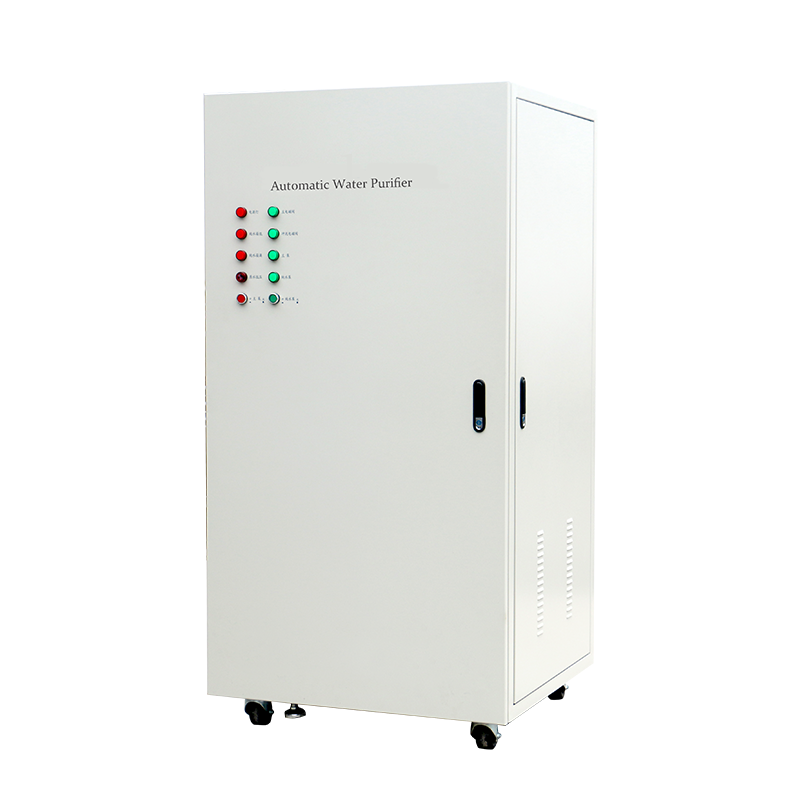
El agua de alta calidad es esencial para una esterilización efectiva y la generación de vapor. Los purificadores de agua automáticos WEGO proporcionan agua purificada y estable que cumple con los requisitos de los esterilizadores de vapor y los sistemas de procesamiento CSSD. Al reducir impurezas y contenido mineral, estos sistemas ayudan a proteger el rendimiento del equipo, extender la vida útil y garantizar una calidad de esterilización consistente.
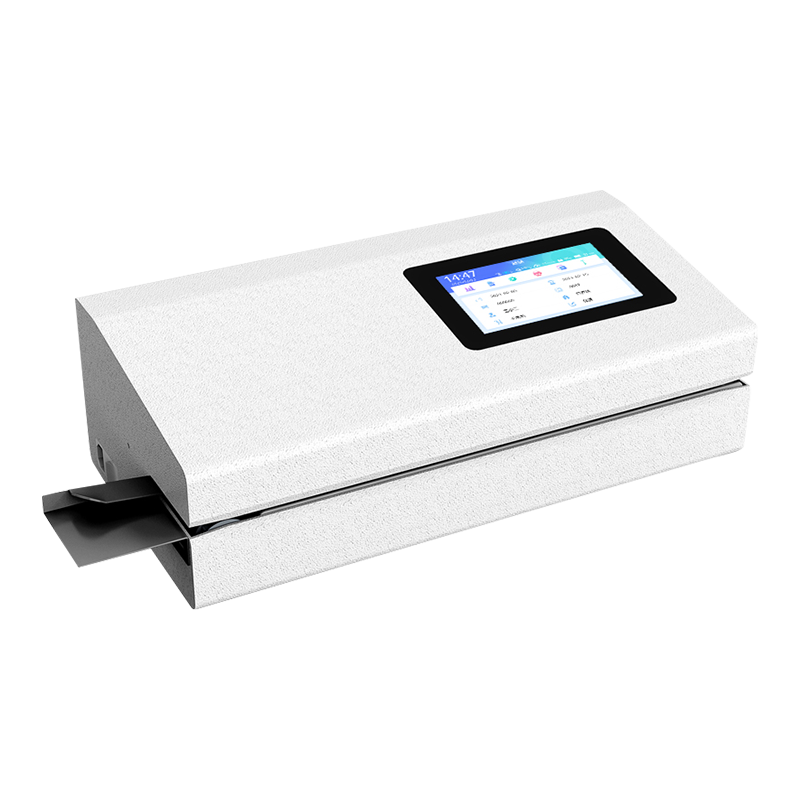
Un empaquetado adecuado es esencial para mantener la esterilidad después del procesamiento. Las máquinas de sellado WEGO proporcionan sellos uniformes y validados para bolsas y carretes de esterilización, asegurando la integridad del paquete durante el almacenamiento y el transporte. Un rendimiento de sellado consistente apoya la garantía de esterilidad y mejora la trazabilidad dentro de los flujos de trabajo CSSD.
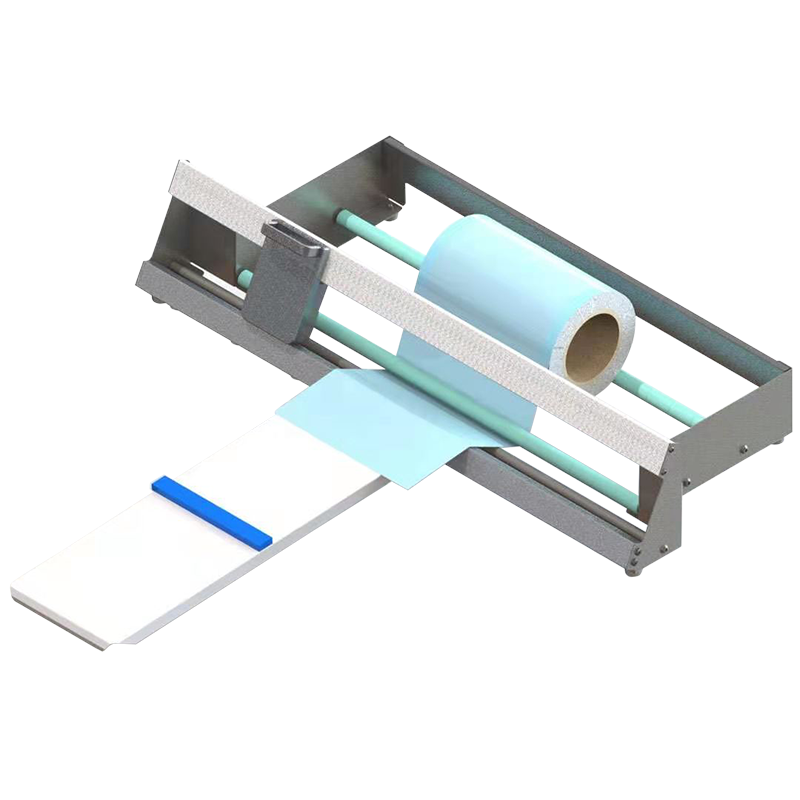
El corte preciso y eficiente de los materiales de empaquetado para esterilización es un paso clave en los procedimientos de empaquetado estandarizados. Las cortadoras de papel WEGO están diseñadas para un corte limpio y preciso de papel de grado médico y rollos de empaquetado, ayudando al personal de CSSD a mejorar la eficiencia, reducir el desperdicio de material y mantener una calidad de empaquetado consistente.

Los lectores biológicos rápidos permiten una interpretación rápida y confiable de los indicadores biológicos, apoyando decisiones de liberación oportunas para cargas esterilizadas. Al reducir los tiempos de espera en comparación con los métodos de incubación tradicionales, los lectores biológicos WEGO ayudan a los equipos de CSSD a mejorar la eficiencia del flujo de trabajo mientras mantienen altos estándares de garantía de esterilidad y cumplimiento regulatorio.

Los generadores de vapor entregan vapor controlado y de alta pureza para apoyar los procesos de esterilización y el equipo auxiliar de CSSD. Diseñados para una salida estable y un uso eficiente de la energía, los generadores de vapor WEGO contribuyen a ciclos de esterilización confiables y un rendimiento operativo consistente en entornos de procesamiento estéril de alta demanda.
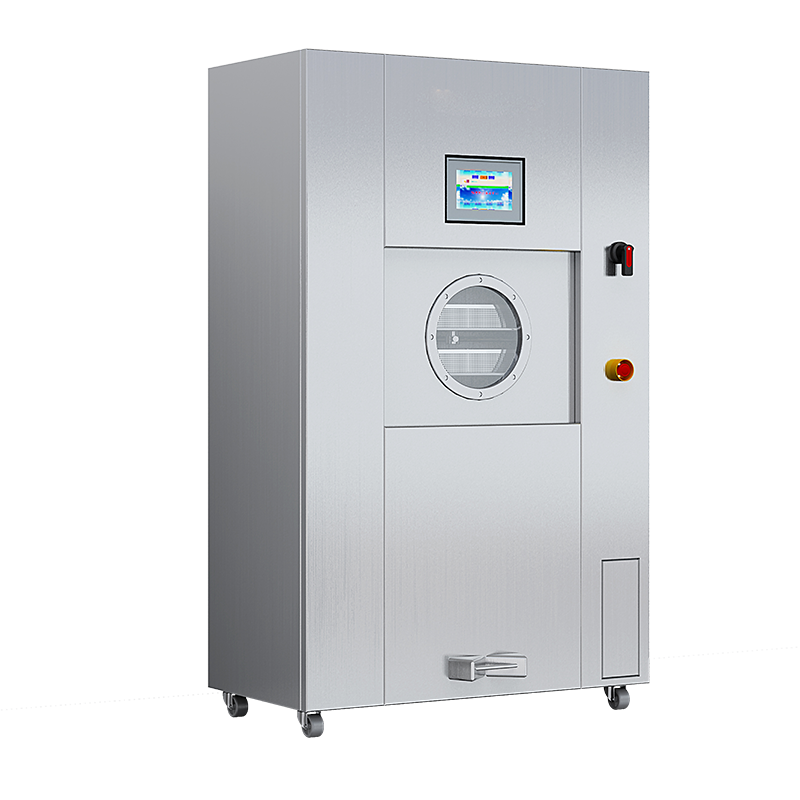
Antes del empaquetado y la esterilización, una limpieza exhaustiva es esencial. Los limpiadores ultrasónicos WEGO utilizan cavitación de alta frecuencia para eliminar contaminantes de instrumentos complejos, incluyendo juntas, lúmenes y superficies finas. Esto mejora la efectividad de la limpieza y apoya la fiabilidad de la esterilización en el proceso CSSD.

Soluciones para Áreas Estériles
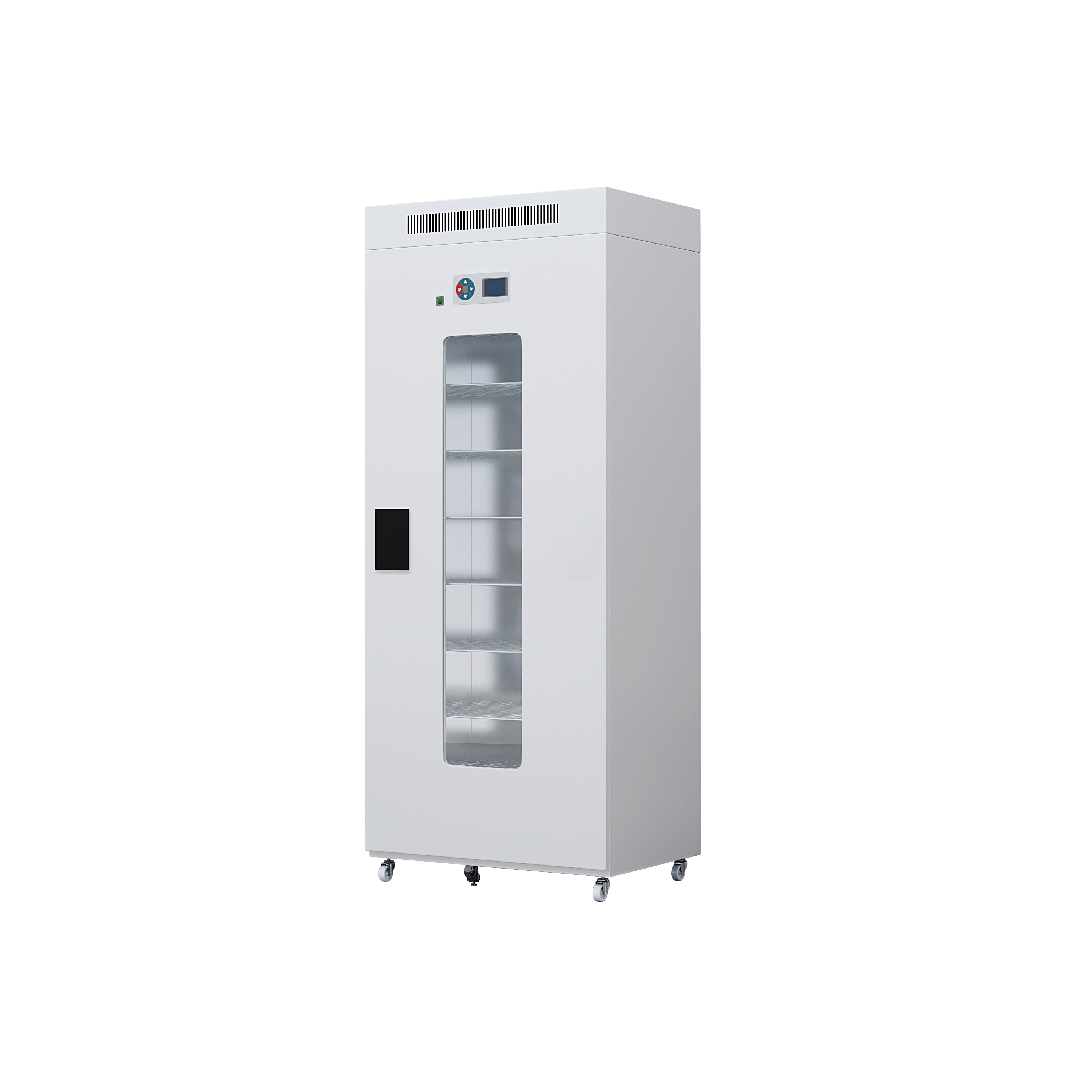
El Área Estéril Confiable es la etapa final y más controlada del flujo de trabajo de reprocesamiento, asegurando que cada instrumento mantenga su esterilidad e integridad estructural después de completar ciclos validados en los esterilizadores de vapor. Una vez finalizada la esterilización, los instrumentos empaquetados ingresan a un ambiente dedicado donde la temperatura, la humedad y el flujo de aire se regulan cuidadosamente para prevenir humedad, polvo o contaminación secundaria. Dentro de este espacio, los diseños de estanterías estandarizadas y la colocación protegida dentro gabinetes de almacenamiento estéril ayudan a mantener la esterilidad durante todo el período de almacenamiento. El diseño de presión positiva, la zonificación limpia y los caminos de movimiento definidos reducen aún más el riesgo de compromiso, asegurando que cada paquete estéril permanezca seguro, rastreable y listo para una distribución oportuna a los departamentos clínicos.

Recursos
Soporte integral del equipo global WEGO
Cuando te asocias con WEGO, obtienes más que productos médicos de confianza: obtienes la fuerza del equipo de soporte global WEGO. Estamos dedicados a ayudarte a maximizar el rendimiento, garantizar la confiabilidad y ofrecer mejores resultados para los pacientes en todo el mundo.
Con 37 años de experiencia, fabricación avanzada y una red de servicios mundial, WEGO proporciona asistencia oportuna, orientación técnica y soluciones personalizadas. Nuestro equipo trabaja codo a codo contigo para mantener las operaciones funcionando sin problemas y de manera eficiente.
En WEGO, nuestro compromiso comienza antes de la primera entrega y crece a lo largo de nuestro viaje juntos. Su éxito impulsa nuestra misión, y su confianza alimenta nuestro progreso.
- Acceder a WEGO Expert Support >>
PREGUNTAS FRECUENTES
Q1. ¿Qué condiciones ambientales se requieren para mantener la esterilidad en el Área Estéril Confiable?
R: La temperatura, la humedad y el flujo de aire a presión positiva deben permanecer dentro de los rangos controlados recomendados por las directrices internacionales para prevenir la absorción de humedad, la entrada de polvo y la contaminación microbiana de los paquetes estériles.
Q2. ¿Cómo se mantiene la integridad del empaque estéril durante el almacenamiento?
R: Los materiales de empaque estéril validados, el espaciado adecuado de estantes y la protección contra compresión, perforación o manipulación excesiva aseguran el mantenimiento de la esterilidad de cada paquete durante su vida de almacenamiento.
Q3. ¿Qué sistemas de estanterías y almacenamiento se recomiendan para artículos estériles?
R: Estanterías abiertas o cerradas gabinetes de almacenamiento estéril, estanterías resistentes a la corrosión y estantes modulares ajustables son preferidos para mantener el flujo de aire, reducir la acumulación de polvo y proteger los paquetes estériles de daños físicos.
Q4. ¿Con qué estándares y marcos regulatorios cumplen las soluciones CSSD de WEGO?
R: El equipo y los flujos de trabajo CSSD de WEGO cumplen con estándares internacionales como ISO 15883 para lavadoras-desinfectadoras, ISO 17665 para esterilización por calor húmedo, EN 13060/285 para esterilizadores de vapor y requisitos ISO/CE relevantes para compatibilidad de materiales, control de biocarga y validación de procesos. El cumplimiento asegura consistencia, trazabilidad e interoperabilidad global con los sistemas de control de infecciones hospitalarias.
Q5. ¿Qué factores determinan si los instrumentos deben someterse a esterilización por vapor o esterilización a baja temperatura?
R: La selección depende de la compatibilidad de materiales, sensibilidad al calor, tolerancia a la humedad y requisitos de IFU del fabricante. El acero inoxidable y la mayoría de los instrumentos quirúrgicos generales son compatibles con vapor, mientras que los dispositivos ópticos, polímeros plásticos, electrónica y materiales sensibles al calor generalmente requieren esterilización por plasma a baja temperatura.
Productos Relacionados