

Medical professionals rely on orthopedic implants to restore mobility, stability, and function in patients with musculoskeletal conditions. A Modular Spinal Fixation System is one example of
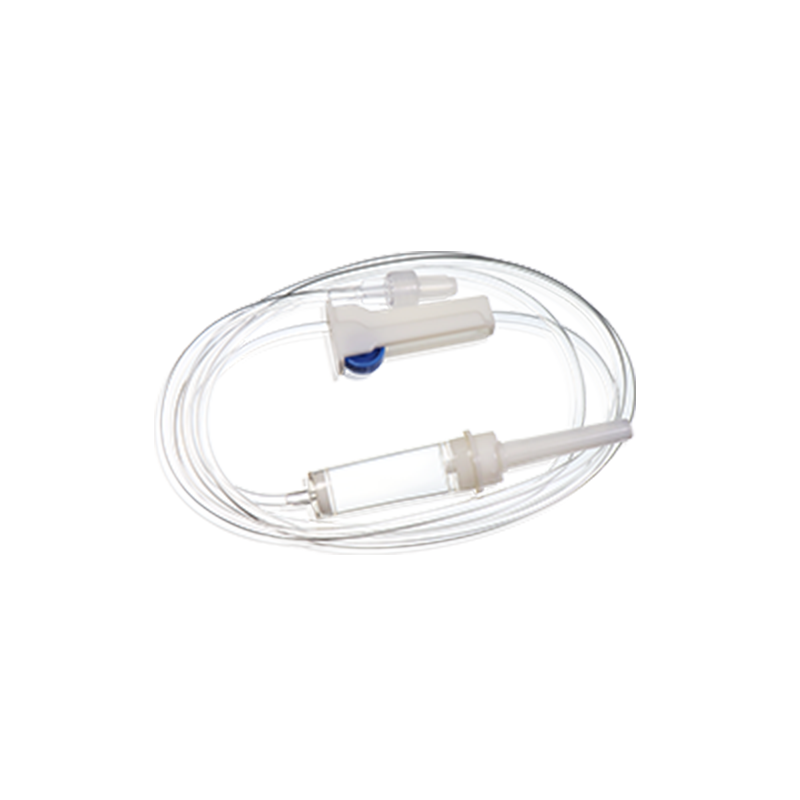
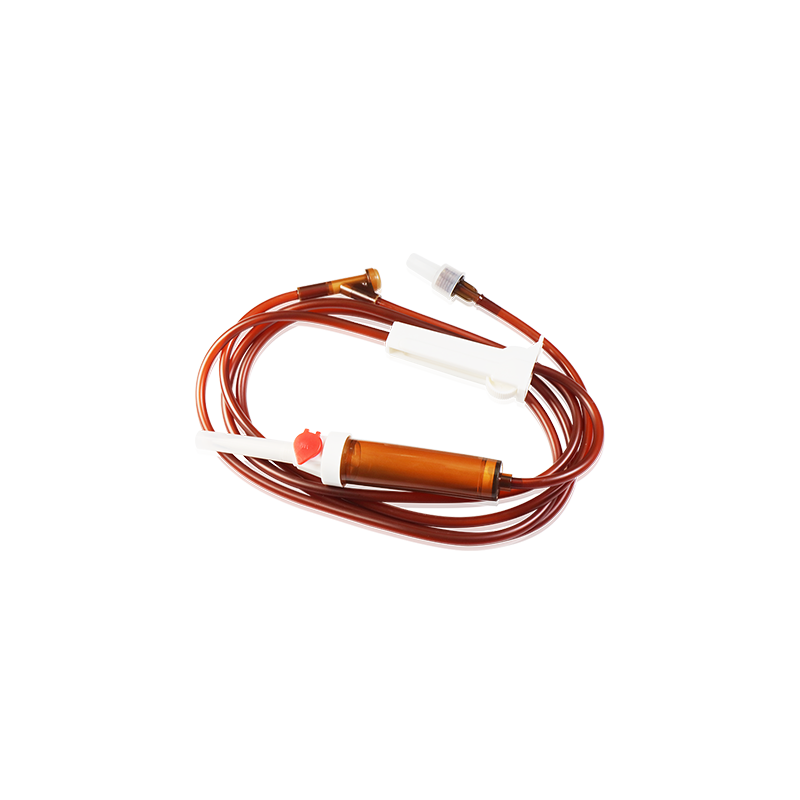
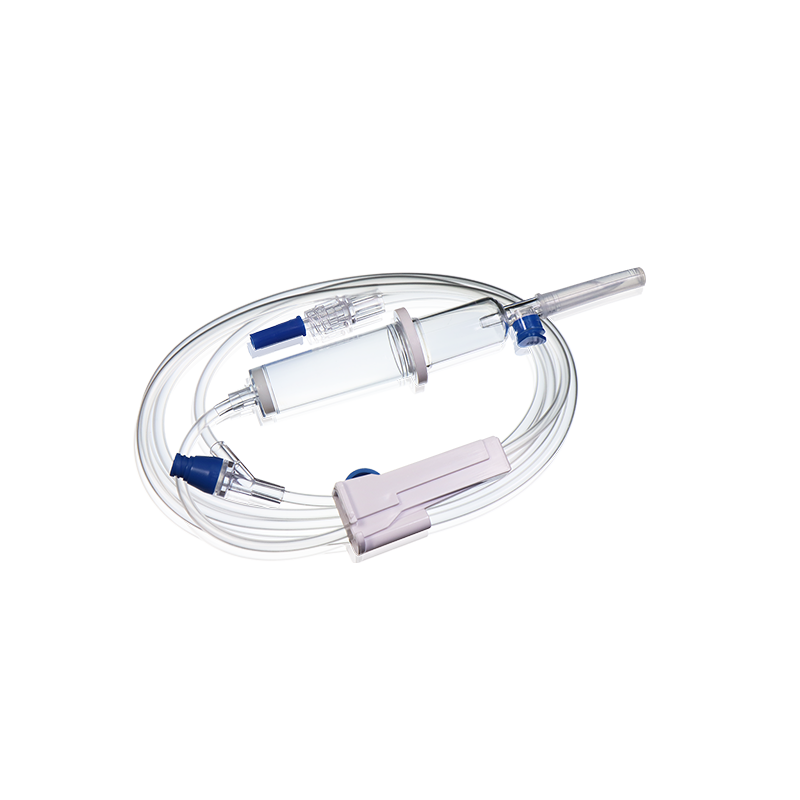
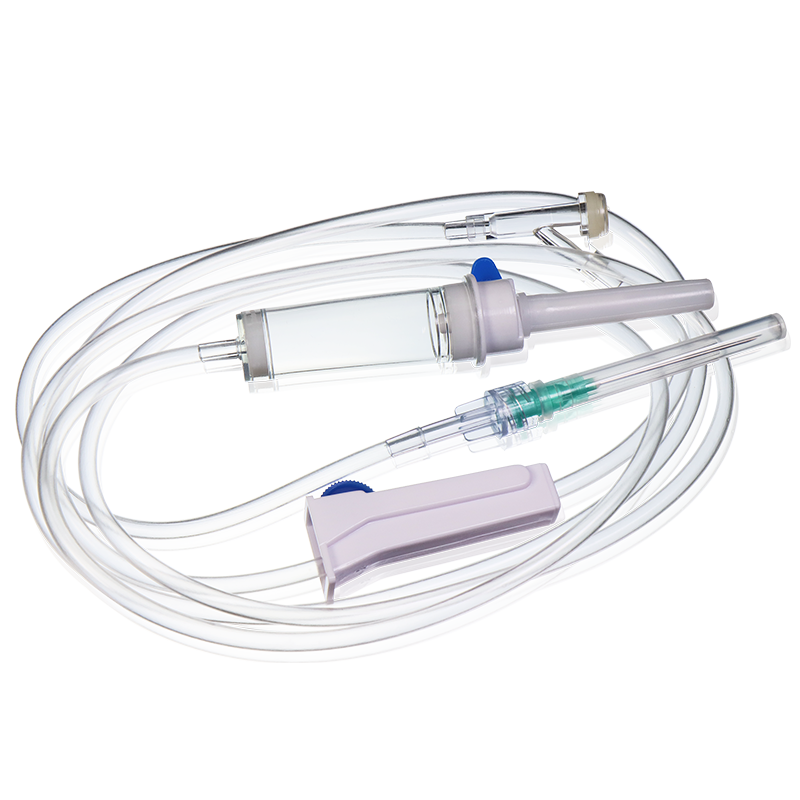
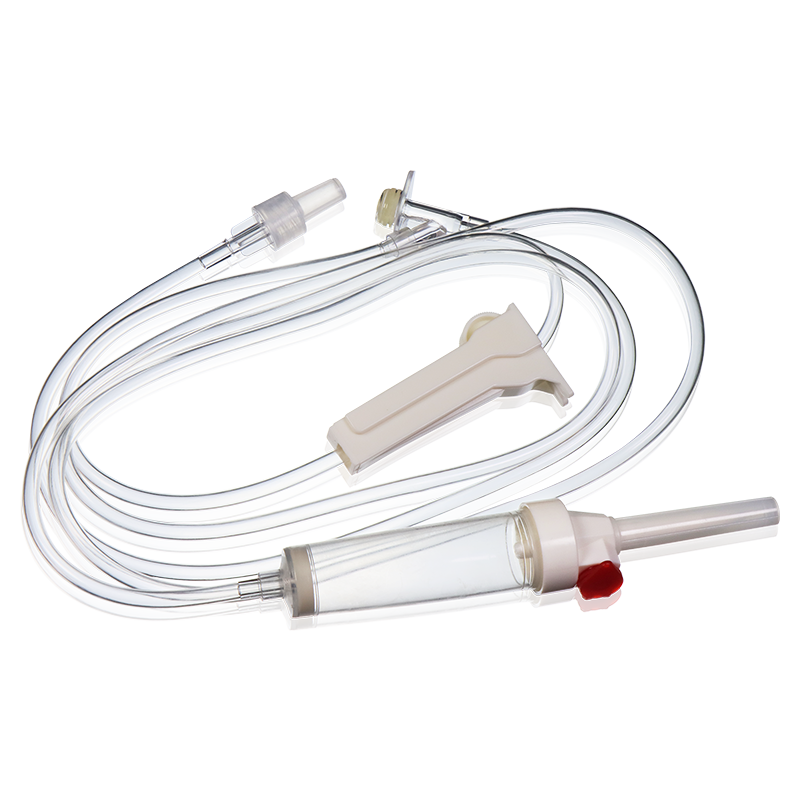
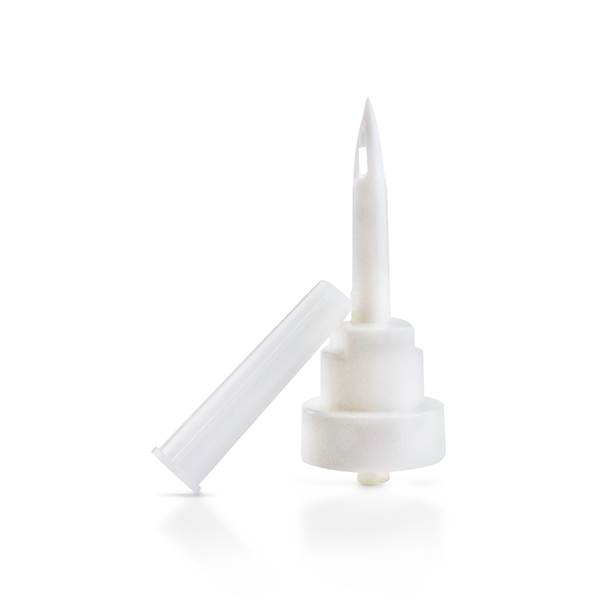
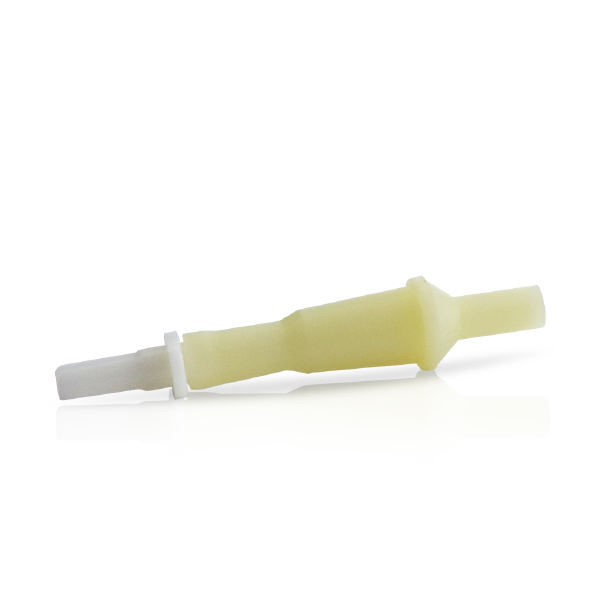
WEGO Drip Chamber ensures smooth fluid flow in IV therapy.
WG-FR-04
WEGO Drip Chamber ensures smooth fluid flow in IV therapy. With a transparent design for easy monitoring and reliable performance, our drip chambers optimize patient care.
Trust WEGO Medical for dependable IV fluid management solutions.
WEGO Drip Chamber ensures smooth fluid flow in IV therapy. With a transparent design for easy monitoring and reliable performance, our drip chambers optimize patient care.
Trust WEGO Medical for dependable IV fluid management solutions.
| In a ventilator, a flow regulator is used to control the flow of gas that a patient inhales. This is crucial to ensure that the patient receives an appropriate supply of oxygen. The flow regulator can also be used to control the flow of gas mixtures, for example, during anesthesia procedures. |
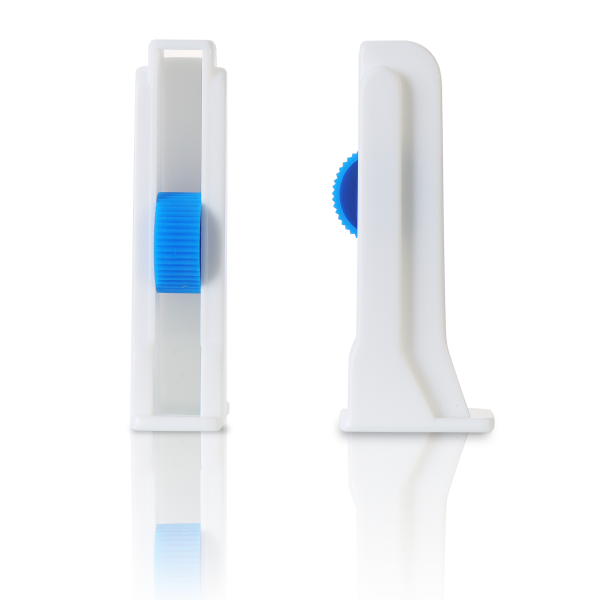
In the infusion system, a flow regulator is used to control the delivery speed of medications or fluids. This is crucial to ensure that patients receive the correct dosage of medication. The flow regulator can also be utilized to control the temperature or pressure of the liquid. |
The flow regulator is used to control the blood flow. This is crucial to ensure that patients receive the appropriate blood supply during cardiac surgery or other procedures. |
In an artificial heart, the flow controller is used to regulate the blood flow. This is crucial for helping patients maintain a normal blood circulation. |

Medical professionals rely on orthopedic implants to restore mobility, stability, and function in patients with musculoskeletal conditions. A Modular Spinal Fixation System is one example of

Spinal stabilization offers a range of solutions, each designed to address specific anatomical and pathological challenges. Among these options, the interlaminar spinal fixation system represents a

The field of spinal surgery has seen a significant evolution with the refinement of minimally invasive methods. These procedures offer a distinct alternative to traditional

Spinal surgery presents a unique set of challenges that demand a combination of detailed planning and adaptable execution. Success often hinges on a surgeon’s accumulated