

WEGO Medical will participate in WHX Lagos 2026, taking place from June 2 to 4 in Lagos, Nigeria. The exhibition serves as an important platform
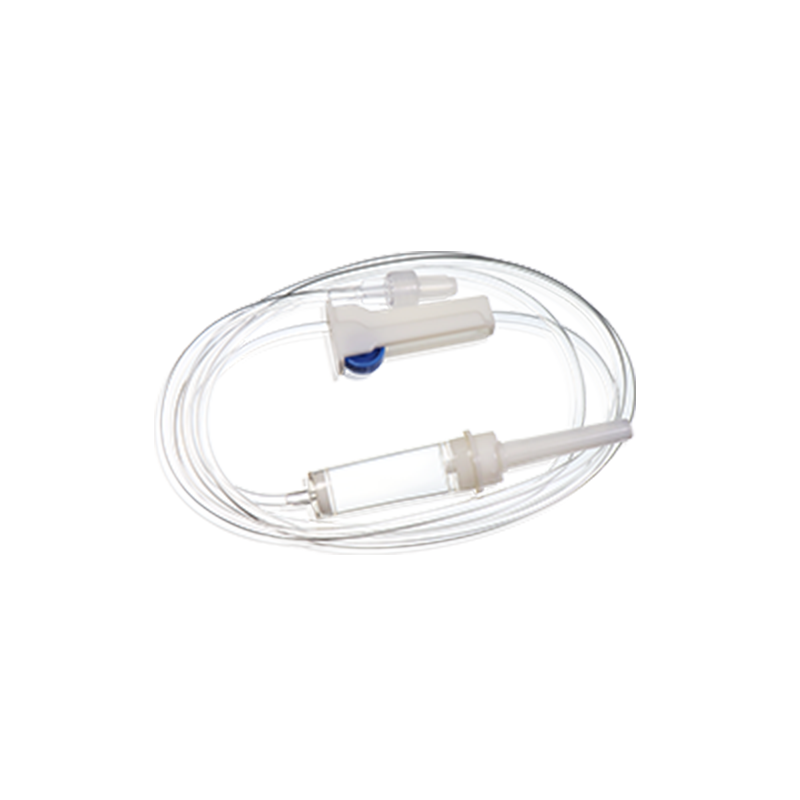
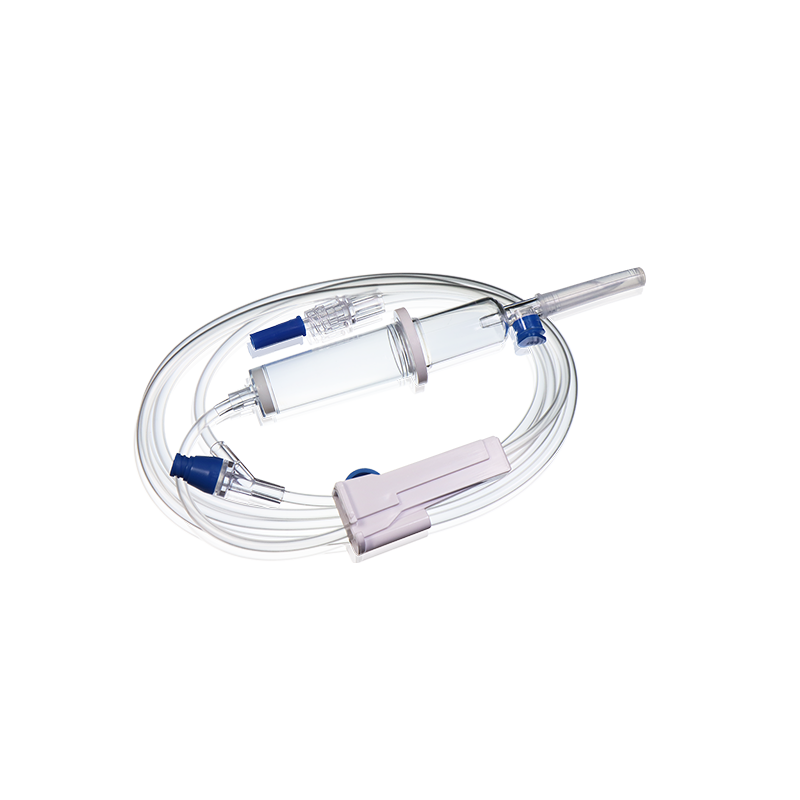
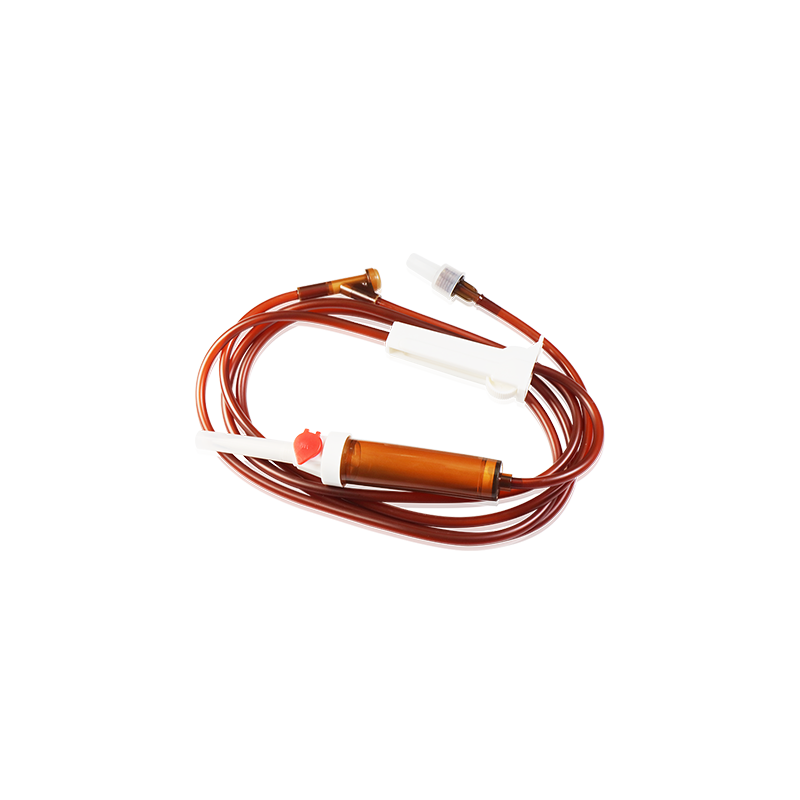
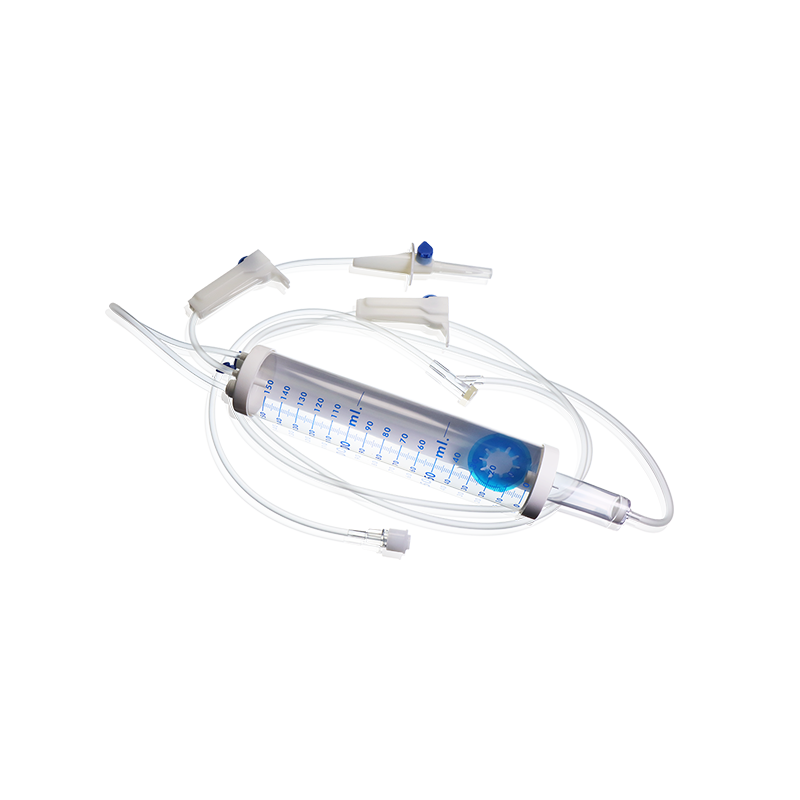
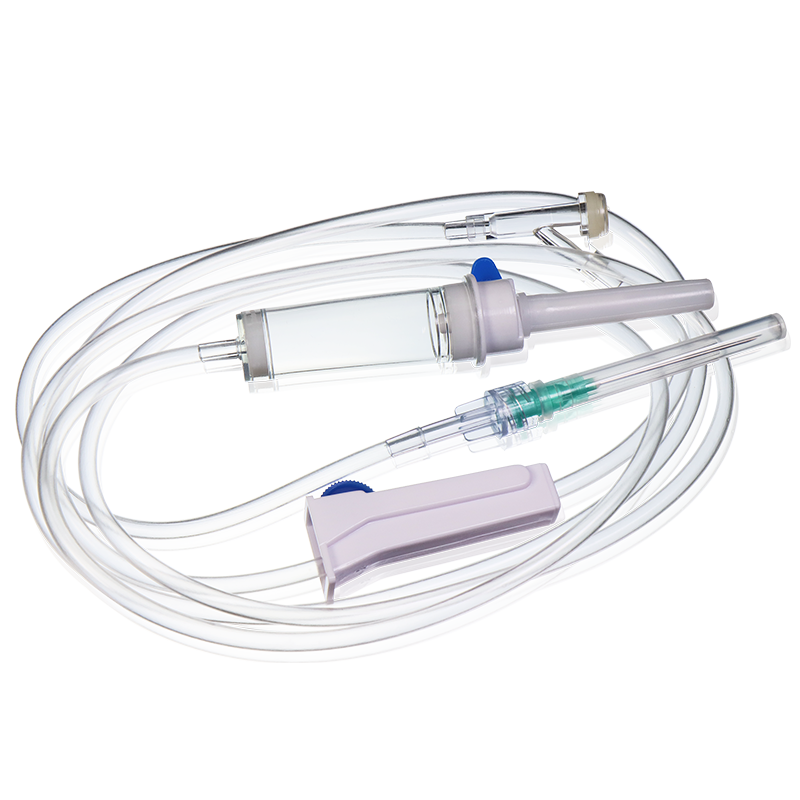
WEGO IV Flow Regulator delivers precise fluid control in IV therapy.
WG-FR62-3
WEGO IV Flow Regulator delivers precise fluid control in IV therapy. With reliable performance and intuitive design, our regulators enhance patient care and streamline procedures.
Trust WEGO Medical for dependable IV fluid delivery solutions.
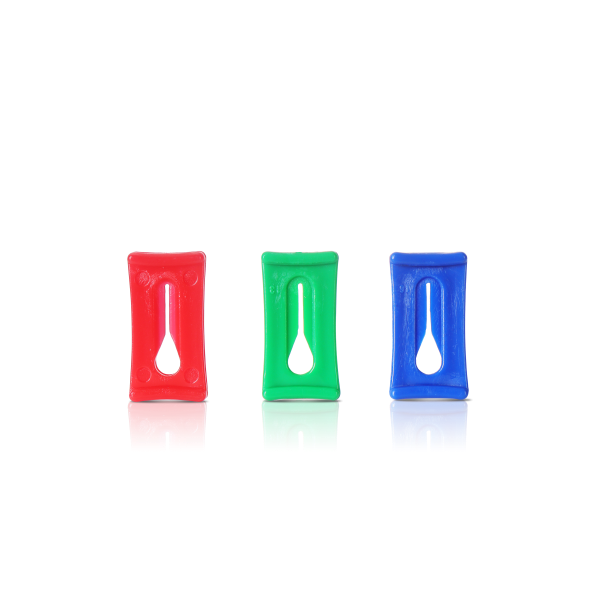
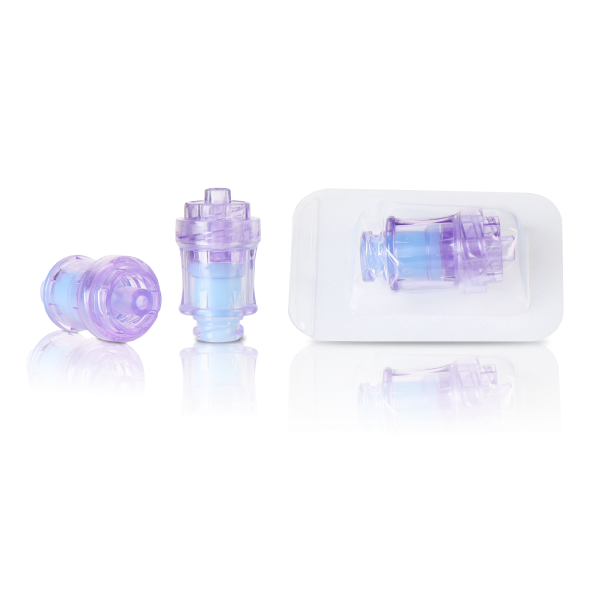
The IV flow regulator is a medical device used to control the rate of flow of fluids into a patient’s intravenous (IV) line. It is typically integrated into the IV tubing and is designed to regulate the infusion rate of medications, blood products, or other fluids prescribed by healthcare professionals.
| IV flow regulators allow healthcare providers to accurately set the infusion rate per hour, usually in milliliters per hour. This helps ensure that patients receive the correct amount of fluids according to medical prescriptions. |
| Flow regulators typically have clear scales and numerical indicators, facilitating easy reading and adjustment of flow rate settings by healthcare providers. |
| It could incorporate safety designs to minimize risks for both patients and healthcare providers. For instance, some flow regulators may have anti-slip features to prevent accidental misoperation. |
| It’s designed for easy connection to the intravenous infusion system, ensuring that fluids can flow effectively into the patient’s blood vessels. |

WEGO Medical will participate in WHX Lagos 2026, taking place from June 2 to 4 in Lagos, Nigeria. The exhibition serves as an important platform

In clinical environments, certain tools form the operational backbone of essential procedures. Among these, the single blood collection bag is a primary example. This specialized

Consider the intricate journey of a surgical suture, from raw material to a sterile device closing a wound inside the human body. This path is

We recognize that in surgical settings, the success of a procedure extends beyond the operation itself to the materials that support healing. Among these, the