
Providing advanced support for patients with severe cardiopulmonary failure often requires specialized interventions. Extracorporeal membrane oxygenation (ECMO) has become a critical tool in intensive care units,
A disposable syringe is a medical injection tool designed for single-use.
WG–NF-03
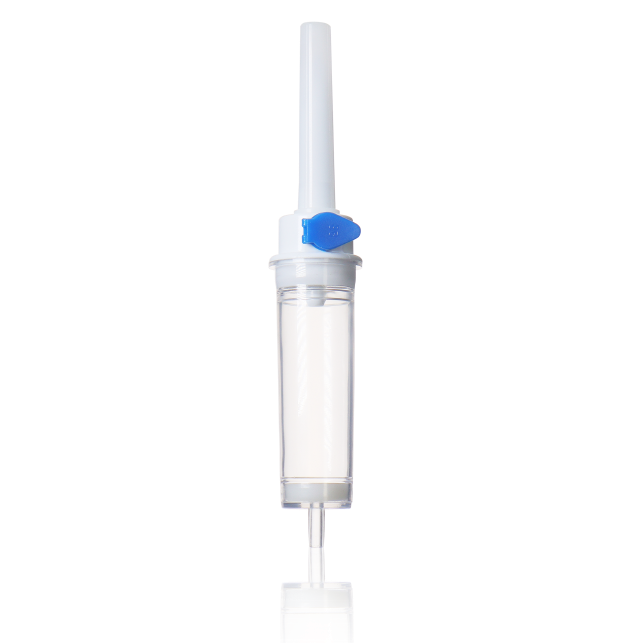
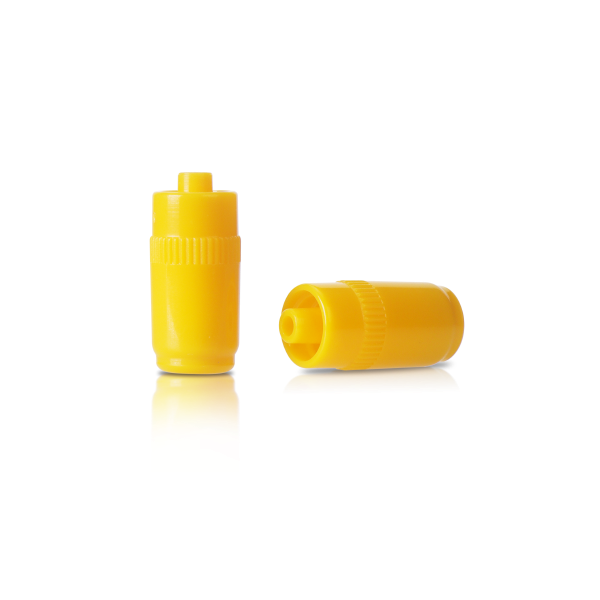
Needle-free connectors are medical devices designed to provide a means for accessing and connecting to intravenous (IV) lines without the use of needles.
They are used in healthcare settings for various applications, including administering medications, infusing fluids, and drawing blood.
Needle-free connectors are medical devices designed to provide a means for accessing and connecting to intravenous (IV) lines without the use of needles.
They are used in healthcare settings for various applications, including administering medications, infusing fluids, and drawing blood.
Needle-free connectors eliminate the need for needles when accessing IV lines. This helps reduce the risk of needlestick injuries for healthcare providers and minimizes discomfort for patients. |
It uses positive displacement technology, which helps prevent blood reflux and minimize the risk of catheter occlusions when connecting or disconnecting. |
Needle-free connectors contribute to maintaining a closed system during IV administration, reducing the risk of contamination and infection. Closed systems help protect both healthcare providers and patients. |
The connectors are designed to be compatible with various types of IV catheters and tubing systems, ensuring flexibility in their application. |
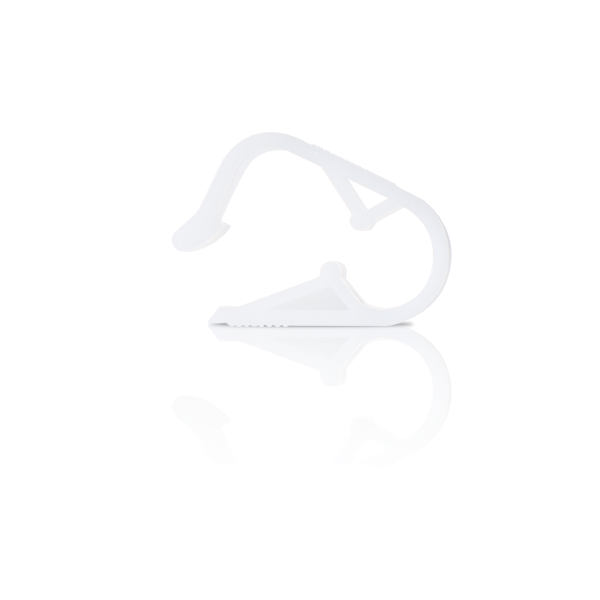
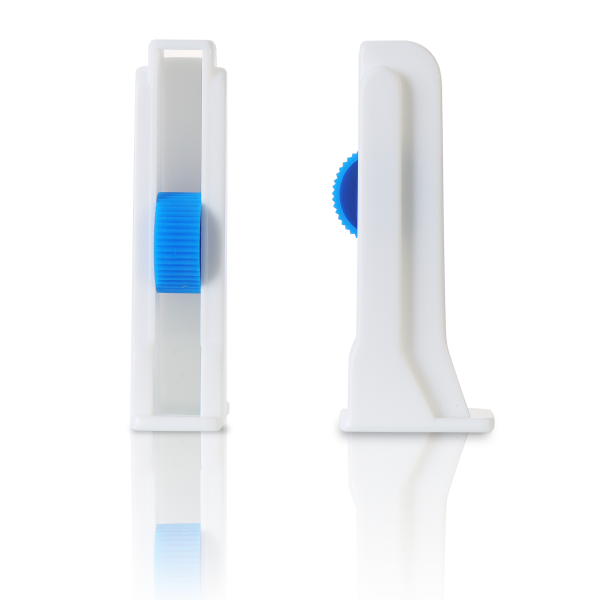
Needle-free connectors have a clamping mechanism that allows healthcare providers to control the flow of fluids or medication easily. |
Needle-free connectors are designed with antimicrobial materials or coatings to help reduce the risk of bacterial contamination. |


Providing advanced support for patients with severe cardiopulmonary failure often requires specialized interventions. Extracorporeal membrane oxygenation (ECMO) has become a critical tool in intensive care units,

Clinicians turn to extracorporeal membrane oxygenation as a supportive intervention for patients experiencing severe, life-threatening cardiac or respiratory failure. When conventional management strategies like mechanical ventilation

A membrane oxygenation system is an important piece of technology that helps assist the process of oxygenation, which is essential for people who are severely ill.

Orthopedic surgery demands precise and reliable implants to restore function and stability. Among these, spinal fixation systems are essential for maintaining spinal alignment and supporting patient