







Clinical Diabetes
Urological Care Solutions
Discover WEGO’s comprehensive range of diabetes and urological care devices designed to ensure accurate dosing, sterile fluid management, and safe, patient-centered treatment across both routine care and high-acuity clinical settings.
WEGO provides an integrated portfolio of diabetes care and urological management devices engineered to support safe, sterile, and accurate clinical use across hospitals, home healthcare, and long-term care facilities. Our solutions—from insulin delivery to urine drainage—are manufactured in ISO-class environments, validated through stringent quality controls, and optimized for patient comfort, dosing accuracy, and long-term reliability.
Designed to align with global care protocols, WEGO enables clinicians to deliver efficient, consistent, and patient-centered treatment across chronic and acute conditions.

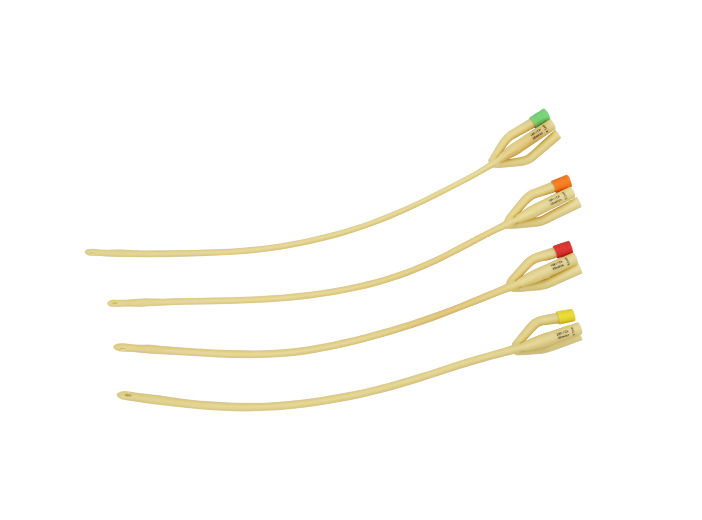
Medical-grade silicone or latex catheters designed for smooth insertion, low encrustation risk, and comfortable extended use. Balloon-retention system ensures stable positioning for clinical and postoperative urinary management.

About Clinical Diabetes
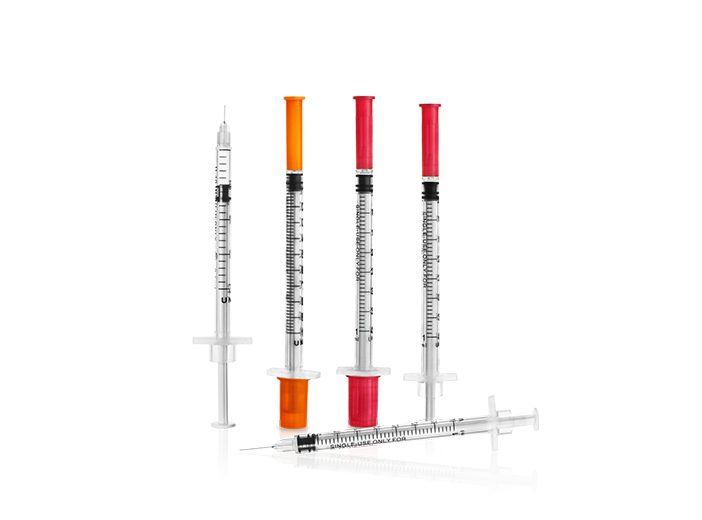
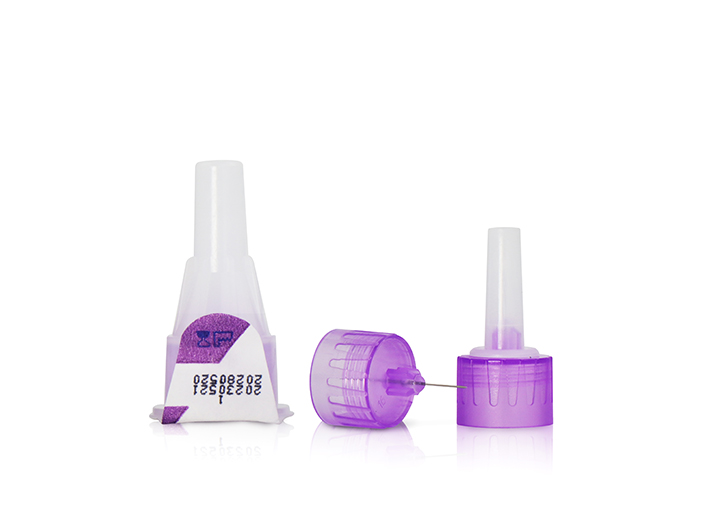
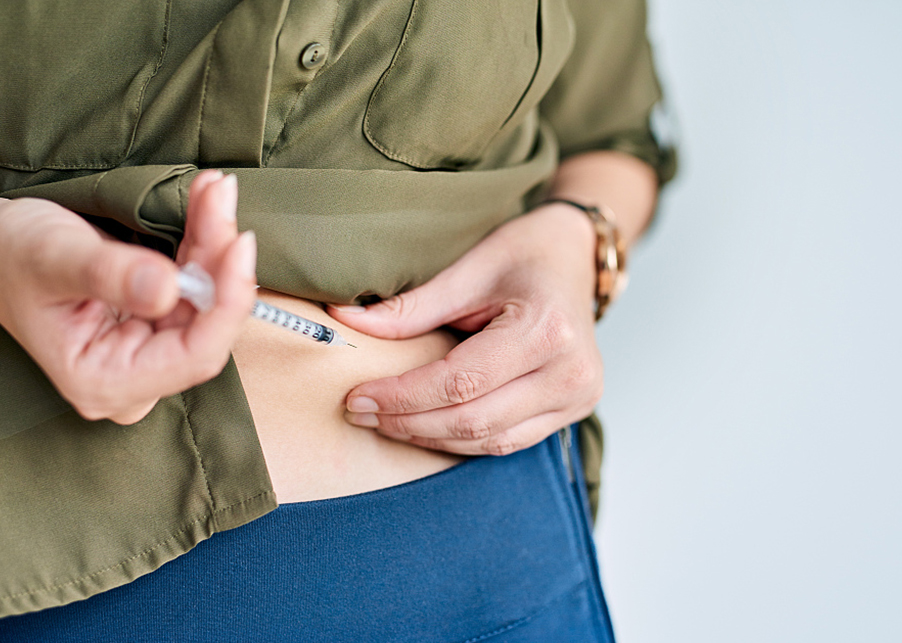
Diabetes management requires accurate, sterile, and reproducible subcutaneous drug delivery. Devices such as the insulin syringe and pen needle play critical roles in maintaining therapeutic insulin levels, ensuring minimal dose variability and reducing injection-site trauma. Precise needle gauge selection, biocompatible materials, and controlled plunger resistance directly influence drug absorption kinetics and patient adherence. In parallel, continuous monitoring and safe storage of insulin products align with evidence-based chronic disease management protocols.
Urological Care Solutions
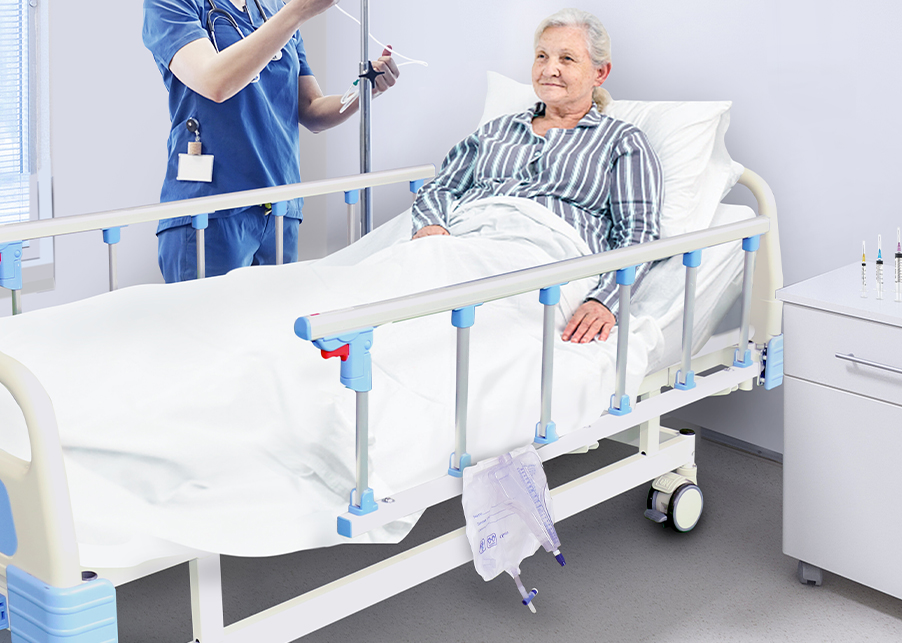
Urological care devices—including Foley catheters, drainage bags, and measurement systems—support essential clinical functions such as bladder decompression, postoperative drainage, and renal perfusion evaluation. Device performance is influenced by catheter geometry, silicone biostability, anti-reflux valve mechanics, and long-term tissue compatibility. Effective urinary management reduces catheter-associated urinary tract infection (CAUTI) risk and supports hemodynamic assessment in critical care. Integration with broader clinical workflows (e.g., infusion set, feeding bag, and syringe pump systems) ensures coordinated patient management in complex care environments.
Disposable syringe systems support the complete process of medication preparation and administration across modern clinical care. Each syringe type fulfills a distinct role while integrating seamlessly with devices such as the infusion set, infusion pump, and syringe pump to maintain safe and consistent medication pathways.
Hypodermic Syringe — The standard tool for intravenous, intramuscular, and subcutaneous injections, offering clear dose readability and reliable plunger performance for routine clinical dosing.
Light-Resistant Syringe — Designed for photosensitive medications, reducing light-induced degradation and helping preserve drug potency from preparation to administration.
Prefilled Flush Syringe — Preloaded for standardized IV line flushing, minimizing contamination risks and supporting consistent catheter maintenance protocols.
Vaccine Syringe — Optimized for accurate vaccine dosing with low dead-space design to reduce medication waste during large-scale immunization.
ENFit Syringe — Engineered for enteral feeding, its ENFit connector helps prevent misconnection with IV systems and ensures safe delivery of nutrition or medication through a feeding bag or enteral infusion set.
Syringe with Catheter Tip — Suitable for irrigation, wound care, and low-pressure fluid delivery, and can be used with compatible drainage lines or feeding accessories when required.
Together, these syringe types form an interoperable system that enhances accuracy, sterility, and workflow efficiency across critical applications including injection therapy, enteral nutrition, vascular access management, and medication delivery supported by syringe pump technology.

Clinically Validated
WEGO designs its diabetes and urological products based on pharmacokinetic principles, fluid-dynamics testing, and material biocompatibility research. Each device undergoes sterility verification, tensile testing, leakage validation, and clinical workflow simulation to ensure predictable performance in both acute and chronic care settings.

Sterile & Quality-Assured
Production occurs in ISO-certified environments with continuous environmental monitoring, microbial control, and functional batch testing. This ensures consistent dosing accuracy for insulin delivery and contamination-resistant performance for urinary drainage systems, reducing complications such as site irritation, reflux, or catheter-associated infections.

Acute Care Support
By offering insulin delivery tools, urinary drainage systems, measurement accessories, and securement devices within one unified portfolio, WEGO enables healthcare facilities to standardize caregiving protocols, simplify procurement, and maintain high levels of clinical reliability and patient safety across all care pathways.
Q1. What are the key considerations when selecting devices for diabetes medication administration?
A: Clinicians typically evaluate dose accuracy, sterility assurance, compatibility with insulin formulations, and ease of use for patients who require daily self-management. Devices such as insulin syringes and pen needles must support consistent subcutaneous absorption, minimize dead space, and maintain reliable performance across repeated dosing schedules.
Q2. How do urological drainage products help reduce infection risk in hospital settings?
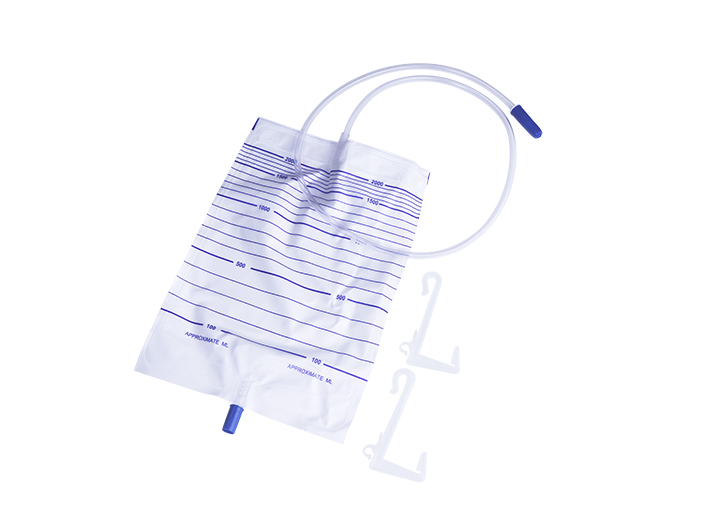
A: Urology care devices—such as urine bags, Foley catheters, and closed drainage systems—support continuous, contamination-controlled fluid management. Features like backflow prevention, sealed sampling ports, and sterile manufacturing help lower the risk of catheter-associated urinary tract infections (CAUTIs), a major concern in long-term catheterization.
Q3. What sterility and quality standards are most important for these care categories?
A: Both diabetes and urology consumables must be produced under ISO-certified sterile conditions with validated bioburden control. Key requirements include ISO 13485 quality management, ISO Class 8 cleanroom manufacturing, and functional testing for flow stability, leak resistance, and connector integrity to ensure reliability in daily clinical use.
Q4. How do closed urology drainage systems improve patient outcomes?
A: Closed systems reduce environmental exposure, decrease manipulation during drainage and sampling, and help maintain continuous sterile pathways. This significantly lowers CAUTI rates and supports safe management for postoperative patients or those requiring long-term catheterization.

