






Hospital Ward Nursing
Electric Hospital Beds
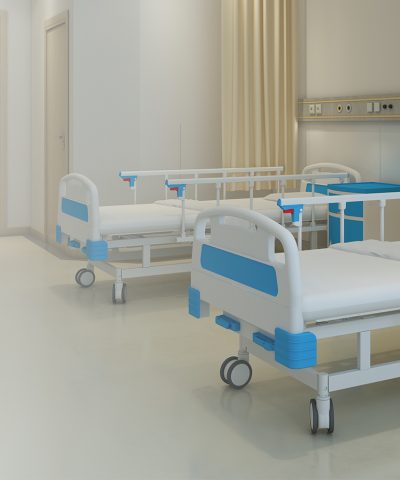
Discover WEGO electric bed solutions designed to support patient safety, clinical efficiency, and long-term care quality across hospitals, ICUs, maternity wards, and homecare environments. By integrating ergonomic design, intelligent control, and durable construction, WEGO electric beds adapt to diverse care scenarios while supporting standardized nursing workflows.
Electric Hospital Beds
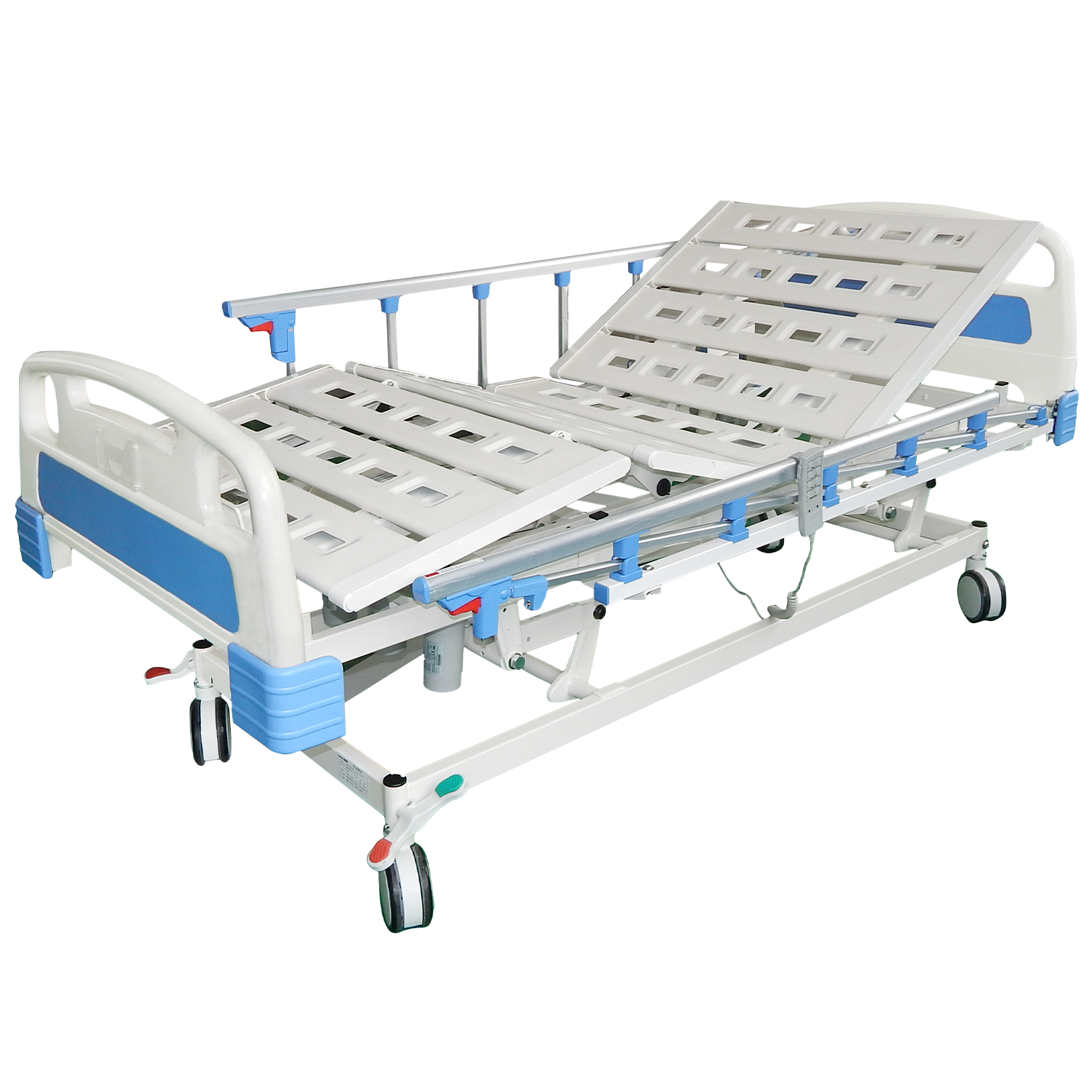
Electric hospital beds play a critical role in patient positioning, mobility assistance, nursing efficiency, and overall care outcomes. WEGO electric bed solutions are developed with a strong focus on clinical usability, patient comfort, and reliable mechanical performance, supporting both acute and long-term care environments.
By combining precise motor control, modular configuration, and safety-oriented design, WEGO enables healthcare facilities to optimize bed management across departments—ranging from intensive care units and delivery rooms to general wards and homecare settings. Our electric beds support infection control protocols, reduce caregiver workload, and help improve patient experience throughout the care cycle.

Related Products
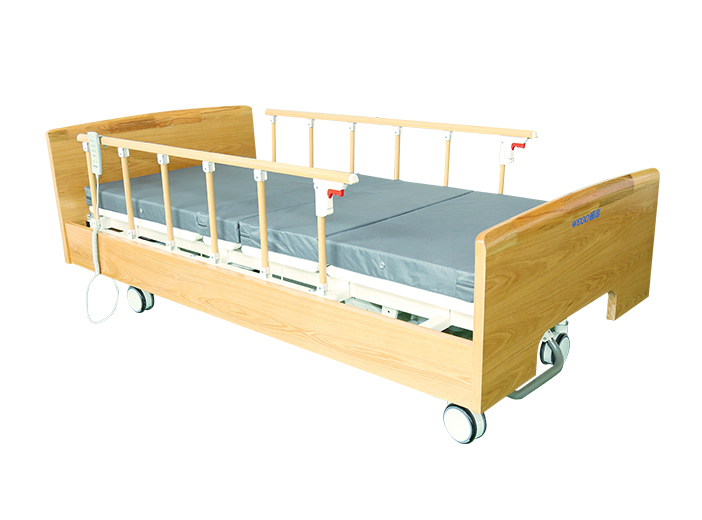
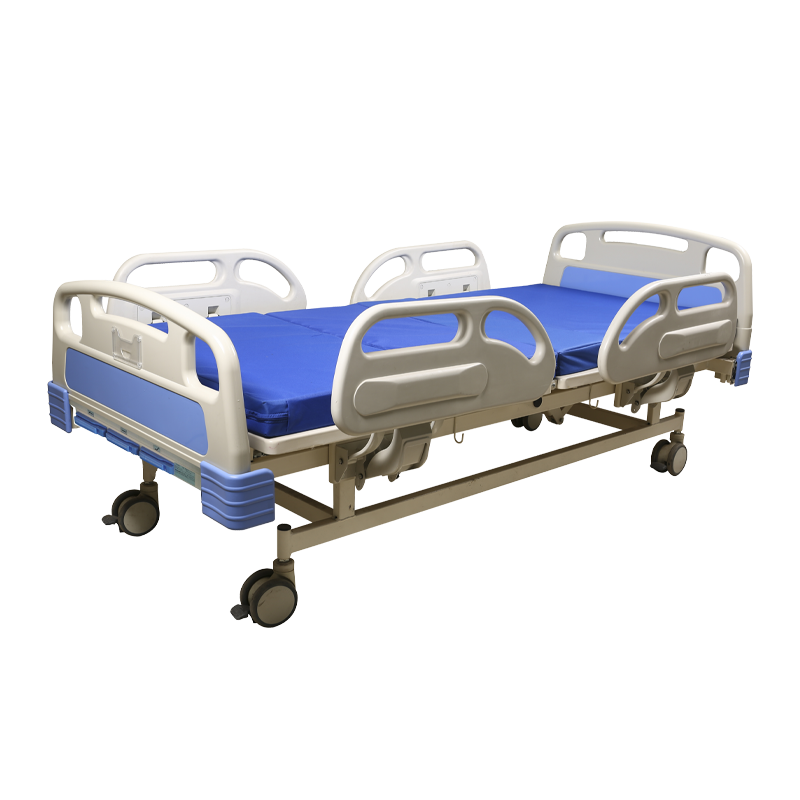
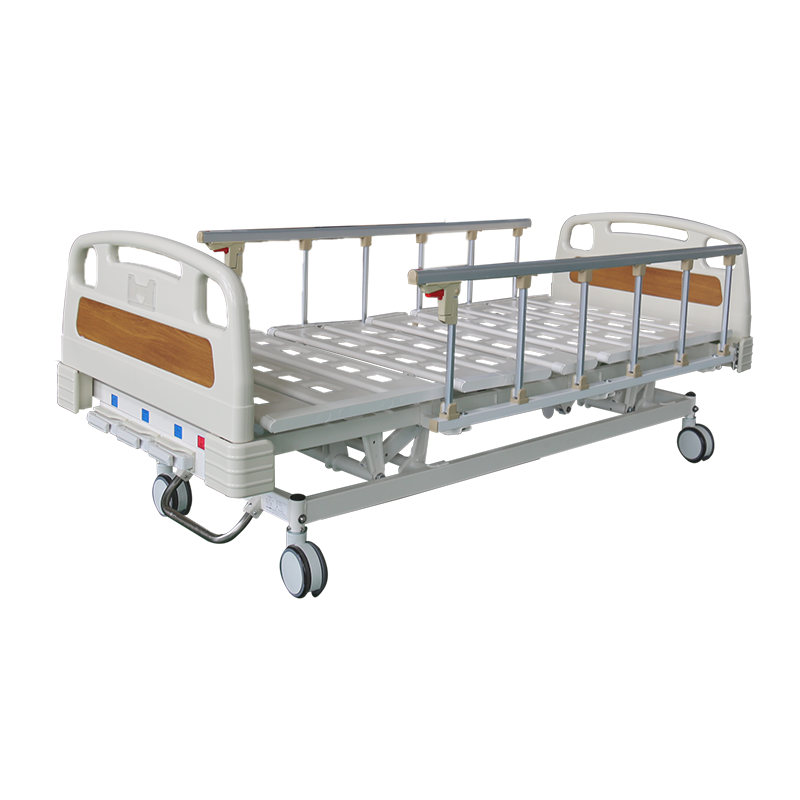
Standard electric hospital beds are suitable for general wards, combining essential electric adjustments with robust structure and easy maintenance. They support routine patient care, recovery, and monitoring in high-turnover clinical settings.
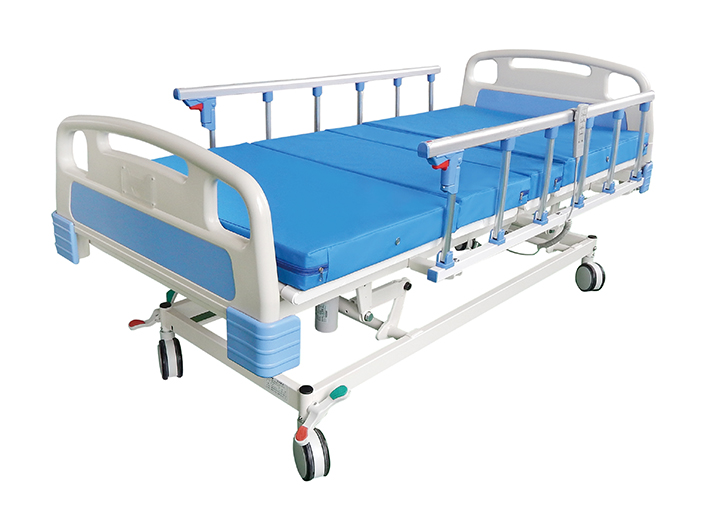
Featuring simplified electric functions and cost-effective design, this category is ideal for facilities seeking reliable performance with essential positioning capabilities, without unnecessary complexity.
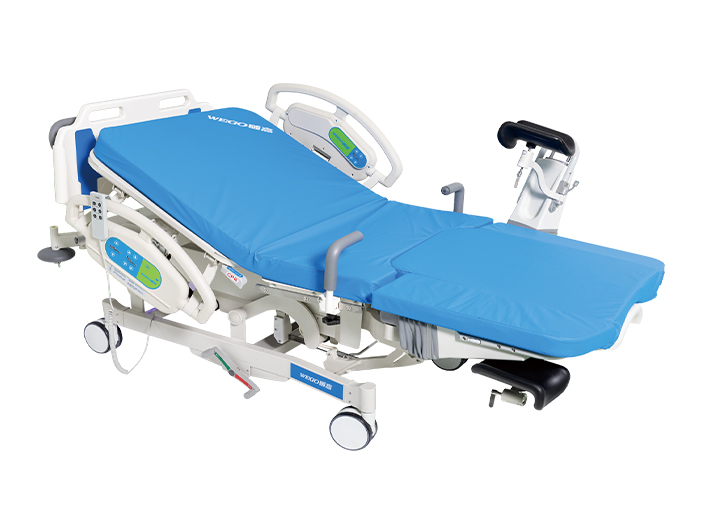
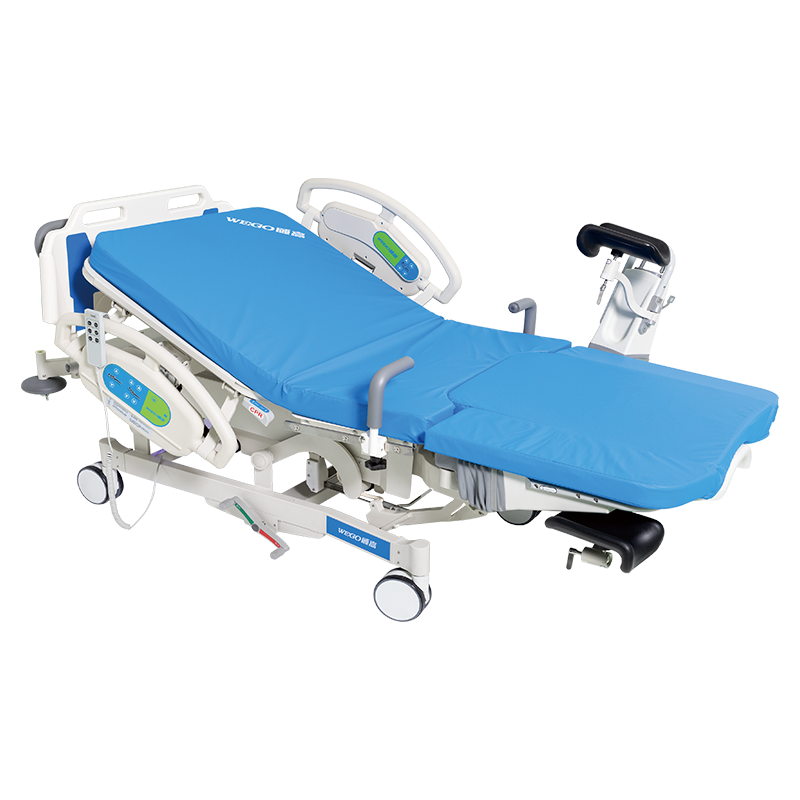
Delivery beds support obstetric procedures by providing flexible positioning, stability, and ergonomic access for medical staff. They are designed to accommodate different stages of labor, delivery, and postpartum care.

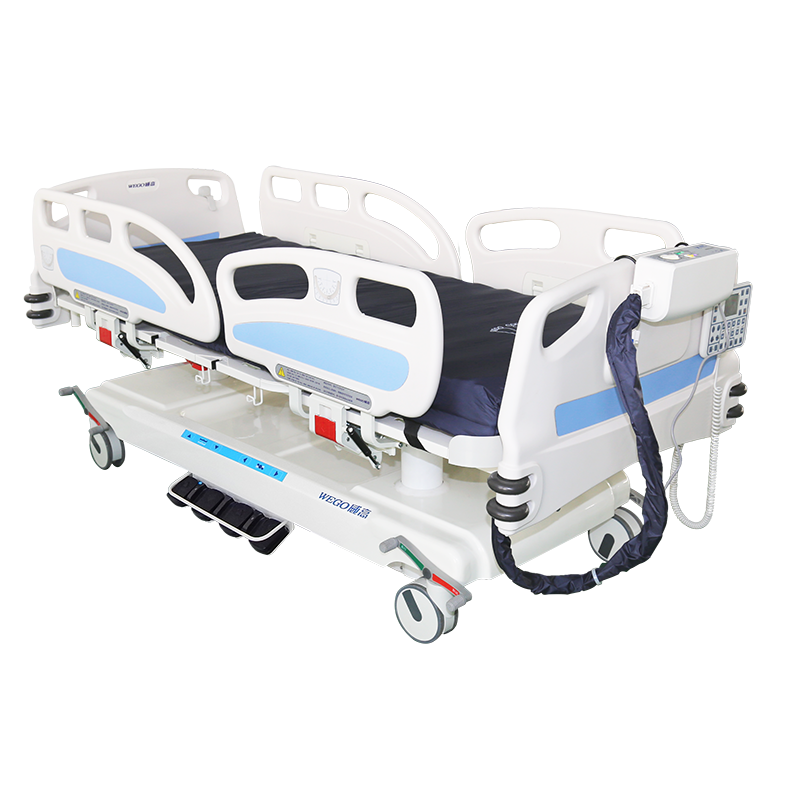
ICU hospital beds are engineered for critical care environments, supporting advanced positioning, patient monitoring compatibility, and frequent clinical interventions. These beds help clinicians manage complex patient conditions while maintaining safety and accessibility.
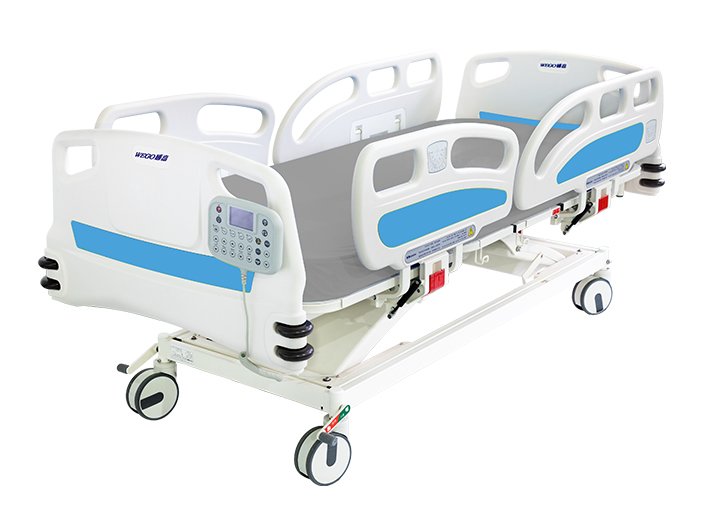
Designed to assist intensive nursing care, ICU turning beds support automatic or assisted patient repositioning. This helps reduce caregiver workload, prevent pressure injuries, and improve respiratory and circulatory management in immobile patients.
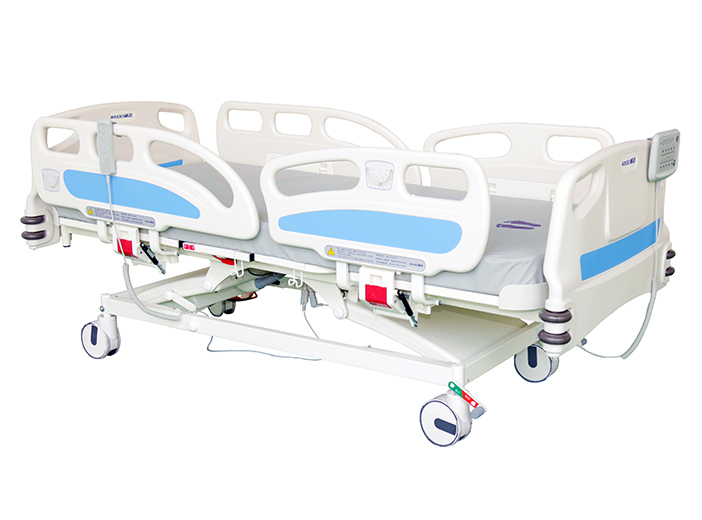
Ultra-low electric beds are designed to minimize fall risk by allowing the bed platform to reach an exceptionally low height. They are well suited for geriatric care, rehabilitation wards, and long-term nursing environments.
Resources
Comprehensive Support from the WEGO Global Team
When you partner with WEGO, you gain more than trusted medical products – you gain the strength of the WEGO Global Support Team. We are dedicated to helping you maximize performance, ensure reliability, and deliver better outcomes for patients worldwide.
With 37 years of experience, advanced manufacturing, and a worldwide service network, WEGO provides timely assistance, technical guidance, and tailored solutions. Our team works side by side with you to keep operations running smoothly and efficiently.
At WEGO, our commitment starts before the first delivery and grows throughout our journey together. Your success drives our mission, and your trust fuels our progress.
- Access WEGO Expert Support >>
FAQS
Q1. What is the difference between an electric hospital bed and an ICU bed?
A: Electric hospital beds are designed for general patient care, while ICU beds support advanced positioning, frequent clinical intervention, and compatibility with critical care equipment.
Q2. Why are turning beds important in ICU settings?
A: Turning beds assist with patient repositioning, helping to reduce pressure injuries, improve circulation, and support respiratory care, especially for immobile or critically ill patients.
Q3. When should ultra-low electric beds be used?
A: Ultra-low beds are ideal for patients at high risk of falling, particularly in geriatric, rehabilitation, and long-term care environments.
Q4. Can electric beds be used in homecare settings?
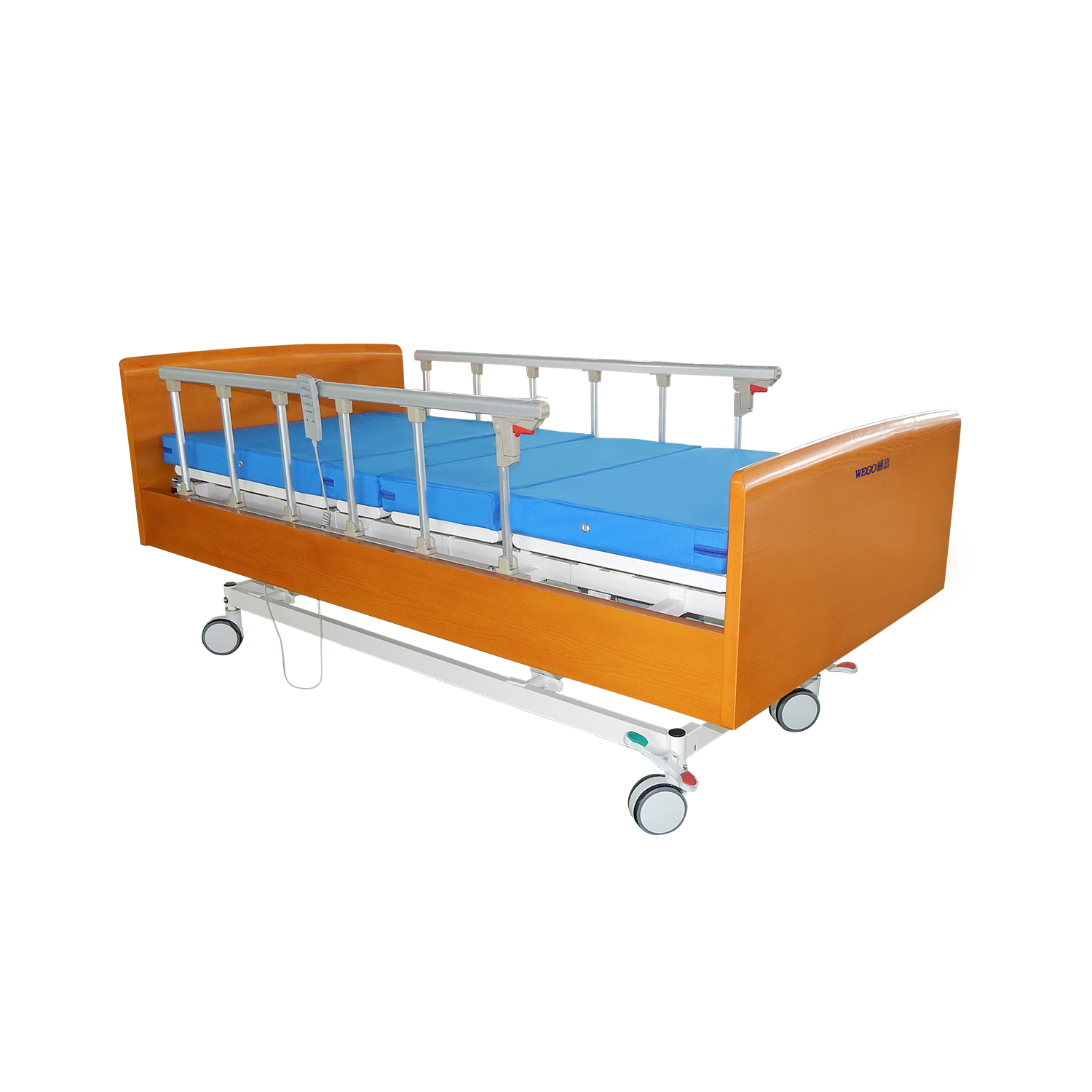
A: Yes. Electric homecare beds are designed to balance medical functionality with user-friendly operation and residential aesthetics.
Q5. How do integrated delivery beds improve maternity care?
A: They reduce patient transfers, support multiple clinical stages in one system, and help improve comfort, safety, and workflow efficiency for both patients and medical staff.

Related Products