

As the new year begins, WEGO Overseas Group would like to extend our warmest New Year greetings to partners, customers, and colleagues around the world.
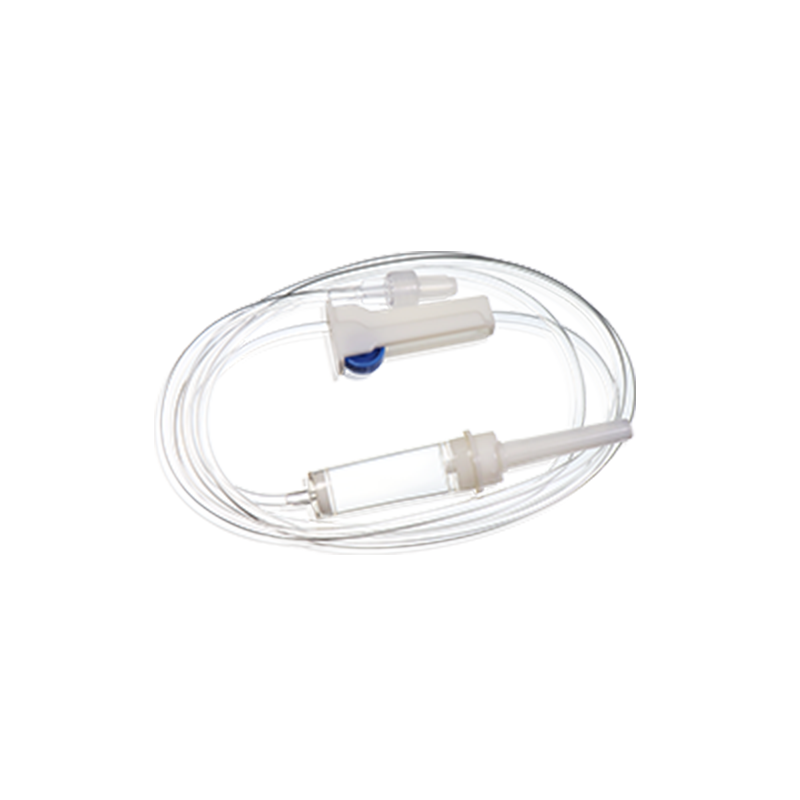
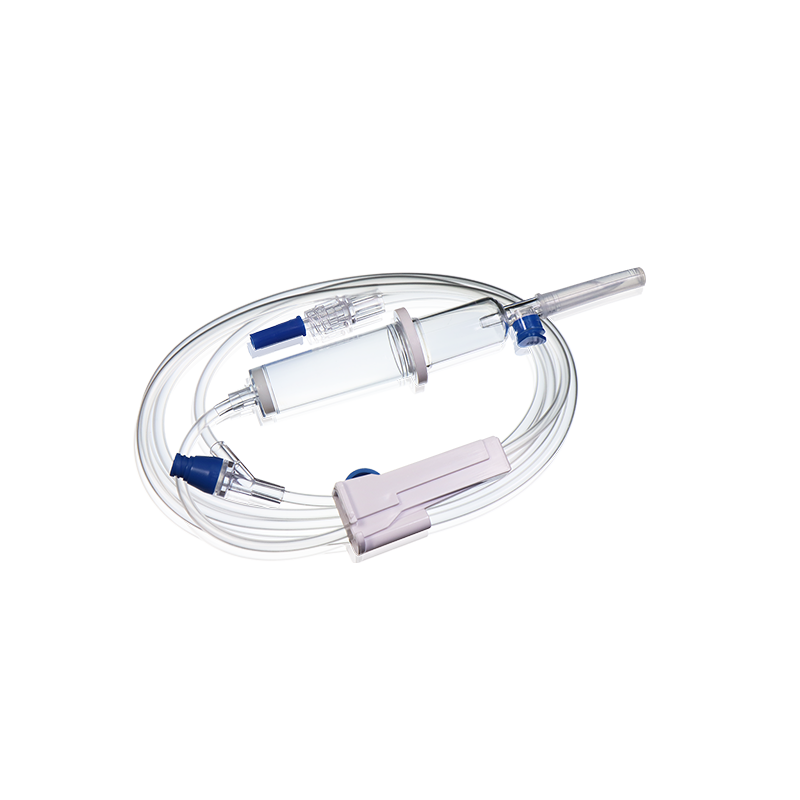
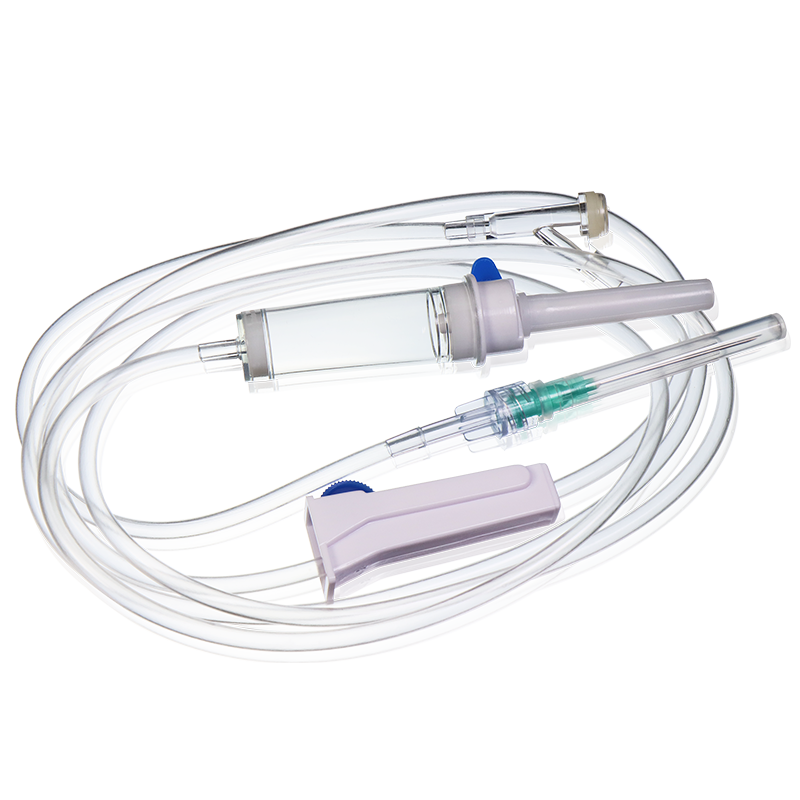
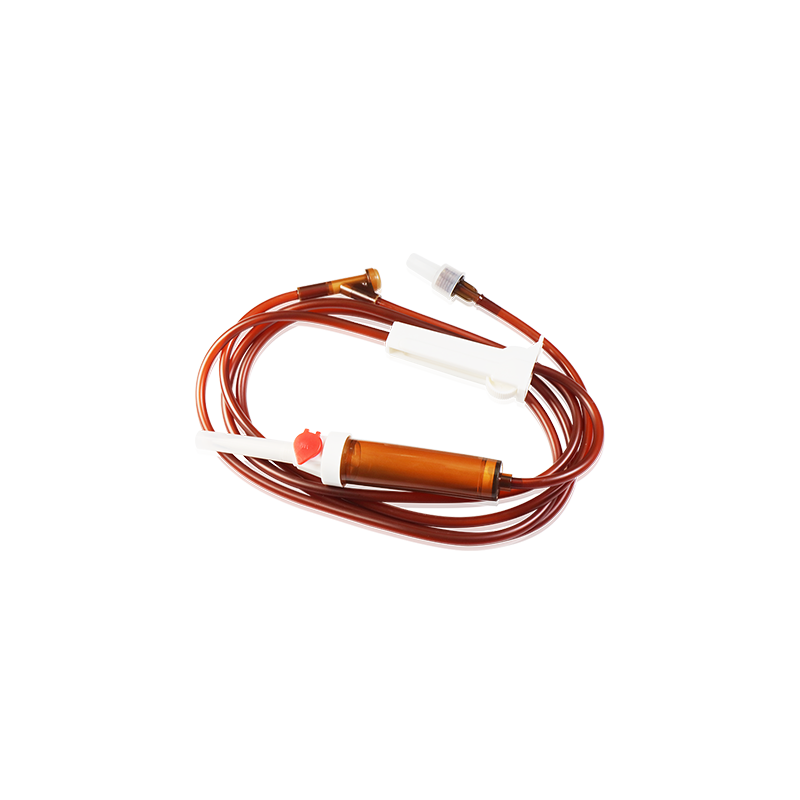
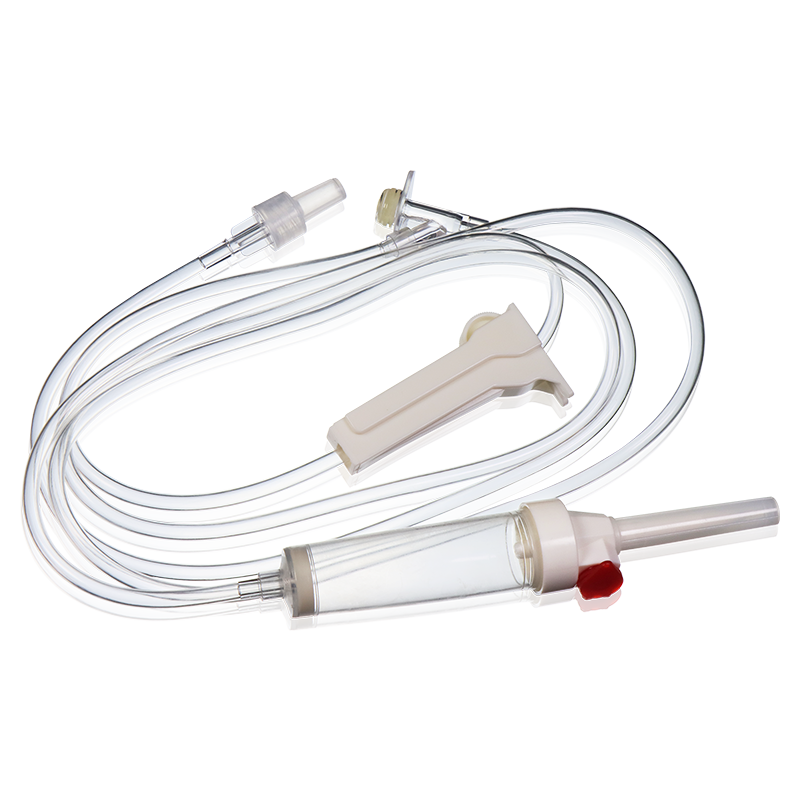
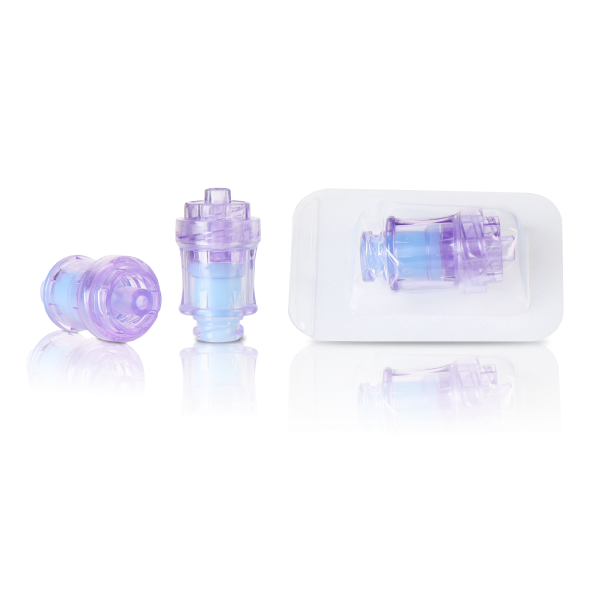
WEGO IV flow regulator is a medical device used to control the rate of flow of fluids into a patient's intravenous (IV) line.
WG-IP-02
The IV flow regulator is a medical device used to control the rate of flow of fluids into a patient’s intravenous (IV) line.
It is typically integrated into the IV tubing and is designed to regulate the infusion rate of medications, blood products, or other fluids prescribed by healthcare professionals.
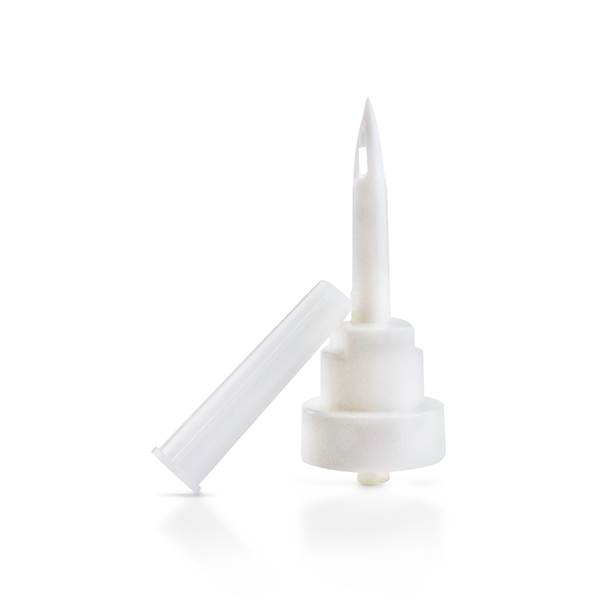
In the medical field, a drip chamber is a component commonly found in intravenous (IV) administration sets. Its primary purpose is to allow healthcare providers to visually monitor and regulate the flow of fluids, such as medications or saline solutions, during intravenous therapy.
| The drip chamber is transparent or translucent, allowing healthcare providers to clearly observe the rate at which the fluid is dripping and any potential air bubbles. |
The design of the drip chamber allows healthcare providers to estimate the infusion rate by counting the number of drops passing through within a specific time frame. This helps ensure that patients receive the prescribed amount of fluid. |
It includes traps for air bubbles, preventing them from entering the patient’s bloodstream and reducing potential risks. |
It is designed to be easily connected to the intravenous infusion system, ensuring that fluids can flow effectively into the patient’s veins. |

As the new year begins, WEGO Overseas Group would like to extend our warmest New Year greetings to partners, customers, and colleagues around the world.

From all of us at WEGO, we extend our warmest wishes to our global partners and customers. May this festive season bring joy, peace, and

In cardiac surgery, maintaining proper oxygenation of blood is critical for patient safety and successful outcomes. Membrane oxygenators, often referred to as oxygenators for CPB (cardiopulmonary

The efficacy of a membrane oxygenator, a core component in cardiopulmonary bypass (CPB) systems, depends fundamentally on the advanced materials from which it is constructed.