

In cardiac surgery, maintaining proper oxygenation of blood is critical for patient safety and successful outcomes. Membrane oxygenators, often referred to as oxygenators for CPB (cardiopulmonary
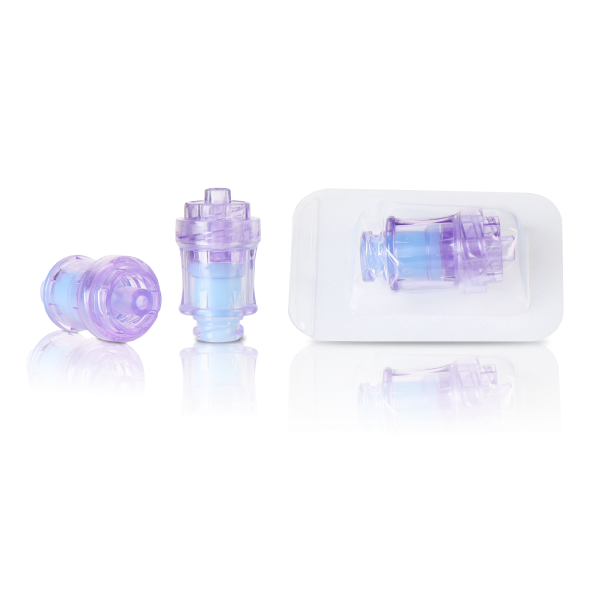
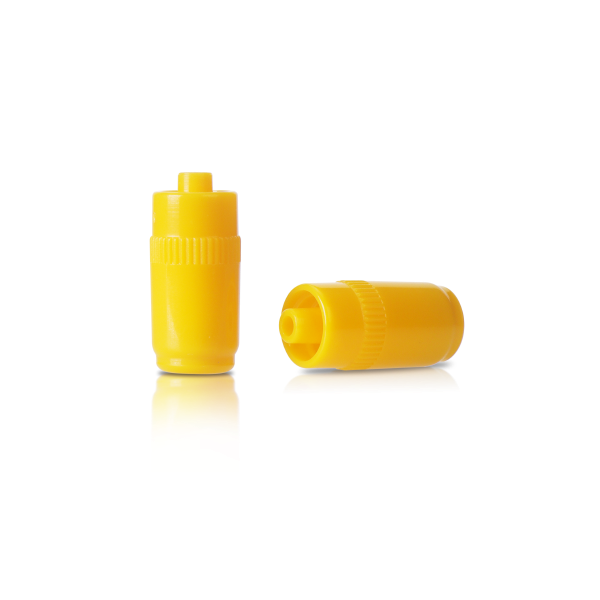
Heparin caps contain a small amount of heparin to prevent blood clots and blood clots.
WG-HC-03
The heparin cap refers to a device used in medical settings. It is a small cap that is attached to the end of an intravenous (IV) catheter or other vascular access device.
The cap contains a small amount of heparin, an anticoagulant (blood thinner), which helps prevent blood clots from forming in the catheter and tubing.
The heparin cap refers to a device used in medical settings. It is a small cap that is attached to the end of an intravenous (IV) catheter or other vascular access device. The cap contains a small amount of heparin, an anticoagulant (blood thinner), which helps prevent blood clots from forming in the catheter and tubing.
The purpose of the heparin cap is to maintain patency (openness) of the catheter and prevent it from becoming blocked by blood clots. It is commonly used in situations where an IV catheter is not in constant use but needs to remain open for intermittent medication administration or blood draws.
| Colour | Yellow/Transparent |
| It helps prevent the formation of blood clots in intravenous catheters or other vascular access routes, maintaining patency. |
| Easy to connect and disconnect, facilitating medical personnel’s operations when needed. |
| When the intravenous catheter is temporarily not in use, the heparin cap prevents the catheter from being blocked by blood clots, ensuring it can be easily reactivated when needed. |

In cardiac surgery, maintaining proper oxygenation of blood is critical for patient safety and successful outcomes. Membrane oxygenators, often referred to as oxygenators for CPB (cardiopulmonary

The efficacy of a membrane oxygenator, a core component in cardiopulmonary bypass (CPB) systems, depends fundamentally on the advanced materials from which it is constructed.

Cardiopulmonary bypass (CPB) relies on a sophisticated set of components, with the oxygenator serving as the artificial lung. The selection of appropriate oxygenators for CPB is

Extracorporeal membrane oxygenation represents a significant intervention in critical care, reserved for patients with potentially reversible cardiac or respiratory failure. The decision to initiate this therapy