







Reliable Diagnostic Collection
In Vitro Diagnostic (IVD) Consumables
Discover WEGO’s range of reliable IVD consumables designed to support accurate specimen collection, stable pre-analytical quality, and safe diagnostic workflows across routine screening and advanced clinical testing.
WEGO’s IVD product portfolio covers essential consumables used for clinical specimen collection, transport, and pre-analytical processing. Designed for accuracy, sterility, and diagnostic reliability, our solutions support hospital laboratories, emergency departments, outpatient clinics, blood centers, and public health agencies.
From blood collection to microbiology sampling, each device is engineered to preserve specimen integrity, reduce pre-analytical variability, and ensure compatibility with automated analyzers and modern laboratory workflows.
WEGO IVD consumables are engineered to stabilize specimens throughout the full pre-analytical workflow, from vacuum blood collection tubes to abg syringes, ensuring reliable results across hematology, microbiology, and biochemical diagnostics.

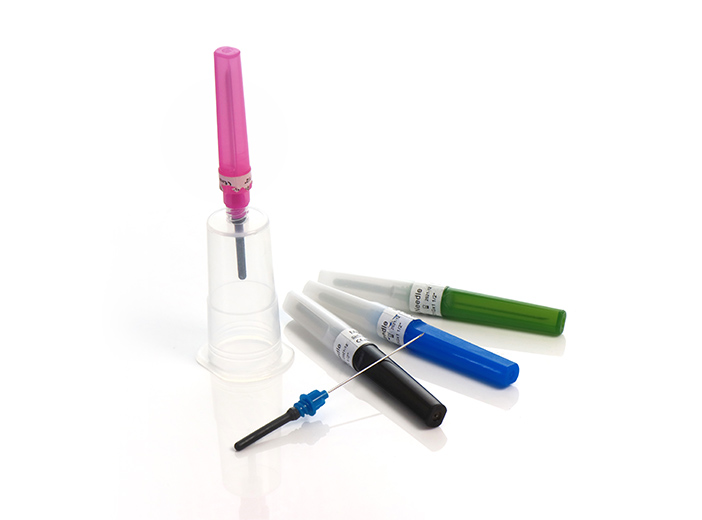
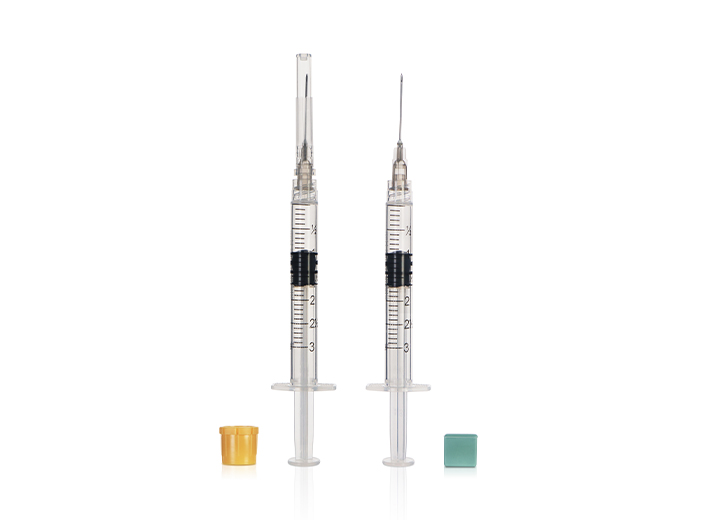
Pre-heparinized syringes designed to minimize air contamination and maintain pO₂/pCO₂ stability for respiratory and metabolic assessment.
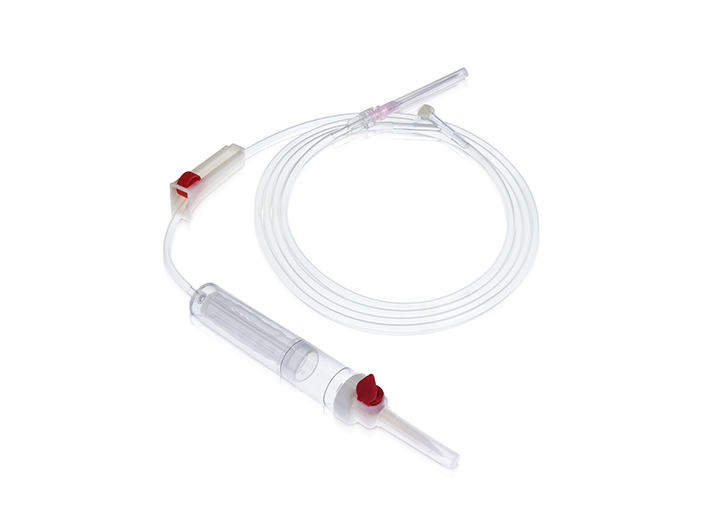
Reliable sets for safe and efficient blood product administration, built with biocompatible materials and validated flow performance.
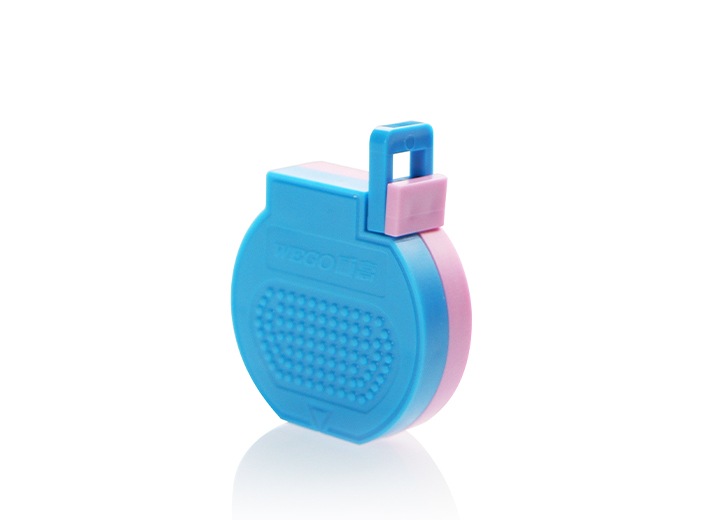


In Vitro Diagnostic (IVD) Consumables
Pre-analytical quality remains the most critical determinant of diagnostic accuracy. Up to 70% of laboratory errors originate before analysis, making standardized specimen collection essential across blood testing, microbiology, and biochemical screening. WEGO’s IVD consumables are engineered to stabilize specimens by controlling additive ratios, preventing contamination, and reducing hemolysis or degradation during transport. Through careful design of tube formulations, swab materials, and needle flow characteristics, each product supports the preservation of analytes for reliable downstream testing.

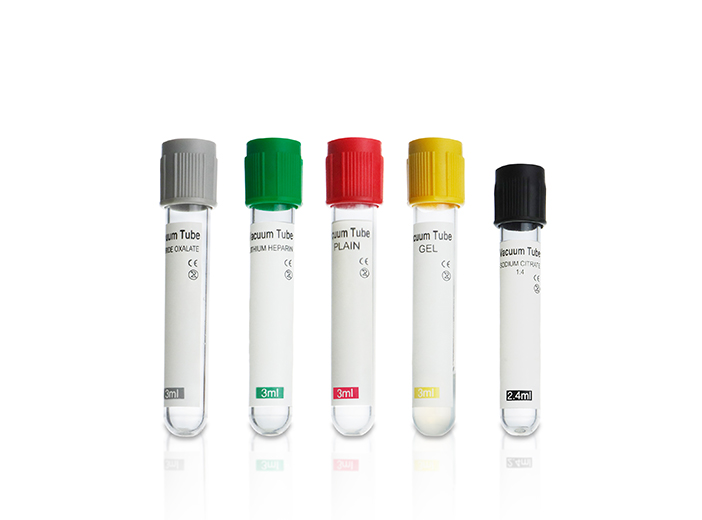
Blood Collection Tube Systems support the pre-analytical phase of diagnostic testing by ensuring accurate specimen preservation, controlled additive activation, and stable analyte integrity. Each tube type fulfills a specific clinical role, enabling reliable performance across hematology, biochemistry, coagulation, and special testing workflows.
- EDTA Tube — Primarily used in hematology, EDTA anticoagulant preserves cellular morphology and prevents clotting, ensuring accurate CBC and blood film results.
- Plain Tube — Contains no additives, allowing natural clot formation for high-quality serum collection used in biochemistry, immunology, and serology testing.
- GEL Tube — Features a serum separator gel that forms a stable barrier after centrifugation, ensuring clean serum recovery and reducing sample handling variability.
- Fluoride Tube — Contains sodium fluoride (and often potassium oxalate) to inhibit glycolysis, making it ideal for accurate blood glucose measurements.
- Plasma Tube — Typically heparin-based, these tubes prevent clotting and enable rapid plasma separation for biochemistry, electrolyte panels, and emergency testing.
- PT Tube — Sodium citrate 1:9 ratio tube used specifically for coagulation assays, including PT, APTT, and INR, ensuring stable calcium chelation and accurate clotting times.
- ESR Tube — Sodium citrate 1:4 ratio tube optimized for erythrocyte sedimentation rate testing, providing standardized anticoagulation and consistent ESR results.
Together, these blood collection tubes form a cohesive pre-analytical system that ensures sample stability, minimizes contamination risk, and supports reliable IVD diagnostics across centralized laboratories, point-of-care settings, and emergency departments.
Hospital Laboratories
Stable specimen preservation increases the reliability of hematology, chemistry, coagulation, and immunoassay results.

Emergency & ICU
Rapid, contamination-controlled sampling (e.g., ABG syringes) supports critical decision-making for respiratory failure, shock, and metabolic disturbance.

Infection Control
High-sensitivity swabs improve viral and bacterial detection in PCR and antigen testing workflows.
Q1. How do I choose the correct blood collection tube for a specific laboratory test?
A: Tube selection depends on the analyte and testing method. EDTA tubes are preferred for hematology, citrate tubes for coagulation assays, gel and plain tubes for chemistry and immunology, and fluoride tubes for glucose testing. Using the wrong additive can alter results or make the sample unusable.
Q2. How does improper mixing of tubes affect test accuracy?
A: Under-mixing can lead to clotting in anticoagulated samples, while over-mixing may cause hemolysis. Most anticoagulant tubes require gentle inversion 5–10 times immediately after collection to ensure proper additive dispersion.
Q3. What factors commonly lead to hemolysis in blood samples?
A: Small-gauge needles, high vacuum draw, prolonged tourniquet time, alcohol not fully dried, and vigorous shaking are the most frequent causes. Hemolysis interferes with potassium, LDH, bilirubin, and many chemistry assays.
Q4. How long are blood samples stable before centrifugation?
A:
Stability varies by tube type:
Serum/gel: up to 2 hours before centrifugation.
EDTA: CBC ideally within 4–6 hours.
Citrate tubes: coagulation assays within 1–2 hours.
Fluoride tubes: glucose stable for 24–48 hours due to glycolysis inhibition.
Incorrect timing can cause analyte degradation and inaccurate results.
Q5. How do storage temperature and transport conditions affect sample integrity?
A: Most analytes require 2–8°C for short-term storage. Incorrect temperature can cause glucose decline, potassium leak from cells, pH shifts in blood gas samples, and degradation of enzymes or hormones.

