






A membrane oxygenation system is an important piece of technology that helps assist the process of oxygenation, which is essential for people who are severely ill. With the help of these systems, appropriate oxygen delivery can be ensured in circumstances where the normal lung function is insufficient. In this article, we will discuss the operation of a membrane oxygenation system, its various uses, and the ways in which contemporary designs contribute to the safety and effectiveness of patient care.
How Membrane Oxygenation Works
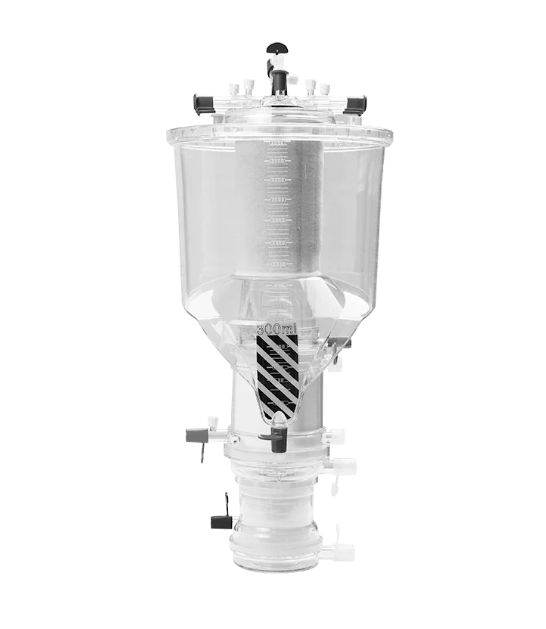
A membrane oxygenation system relies on a semipermeable membrane to facilitate gas exchange between blood and oxygen. Blood flows through channels separated by the membrane, allowing oxygen to diffuse into the bloodstream while carbon dioxide is removed. This process mimics natural lung function and can be adjusted to meet the patient’s oxygenation requirements. The efficiency of the system depends on factors such as blood flow rate, membrane surface area, and oxygen concentration. By providing precise control over oxygen delivery, membrane oxygenation systems play a critical role in intensive care units, cardiac surgery, and other high-dependency settings.
Applications Across Medical Environments
Membrane oxygenation systems are widely used in hospitals, research institutions, and surgical centers. These devices support patients with severe respiratory failure, including those undergoing cardiac surgery or experiencing acute lung injury. The flexibility and reliability of membrane oxygenation allow medical teams to maintain stable oxygen levels while minimizing stress on the patient’s cardiovascular system. Advanced systems are designed to operate continuously for extended periods, offering consistent performance during prolonged treatments. By integrating these systems into clinical practice, healthcare facilities can enhance patient outcomes and reduce the risk of hypoxia-related complications.
Efficiency, Safety, and Workflow Integration
Modern membrane oxygenation systems prioritize both safety and operational efficiency. WEGO Medical’s solutions, for example, are engineered for ease of use, incorporating automated monitoring, alarms, and fail-safe mechanisms. These features reduce the risk of human error and allow medical staff to focus on patient care rather than manual adjustments. Additionally, the systems are designed for streamlined integration with other life-support equipment, supporting seamless workflow in intensive care and surgical environments. Hospitals benefit from membrane oxygenation systems that combine reliability, precision, and user-friendly operation, ensuring that critical patients receive continuous and effective oxygenation.
In order to provide support for vital patient care, we at WEGO Medical are aware of the significance of dependable membrane oxygenation systems. In order to assist doctors in maintaining appropriate oxygenation levels during high-stakes procedures, our designs have an emphasis on precision, safety, and convenience of operating. Health care institutions have the ability to improve patient management, promote operational efficiency, and guarantee the best possible standards of care in demanding medical situations if they implement modern membrane oxygenation systems.