







Every day, blood transfusions save the lives of accident victims, surgery patients, and individuals battling chronic diseases. The effectiveness of this life-saving treatment depends on one critical factor: blood safety from donation to transfusion.
Improper handling doesn’t just render blood useless; it poses severe risks. Contamination, hemolysis (the rupture of red blood cells), and loss of activity are real risks that lead to wasted donations and endanger patients.
So, how to store blood safely and efficiently? International regulations provide guidelines for blood storage.
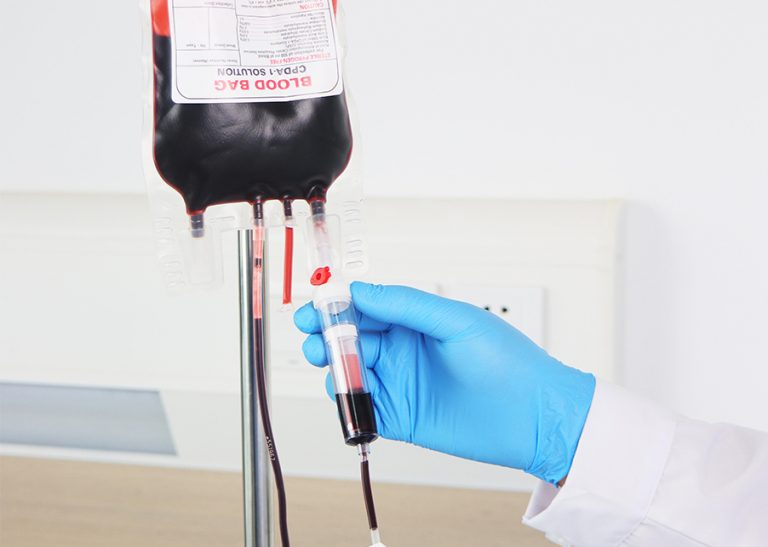
Start with Proper Blood Collection
The process of “how to store blood” effectively starts at the moment blood is collected, which dictates the shelf-life and safety of the final product.
1. Correct Operating Procedures Matter
Standardized operating procedures ensure that blood is collected under aseptic conditions. Improper needle insertion, excessive pressure, or delayed mixing with anticoagulants may damage blood cells. Proper workflow includes [1]:
- Donor identification and verification
- Perform hand hygiene and put on gloves
- Disinfect the skin and perform venepuncture using a smooth and clean needle
- Control blood flow during collection
- Complete blood collection, label the blood bags, and transport
2. Importance of Sterile Blood Collection Bags
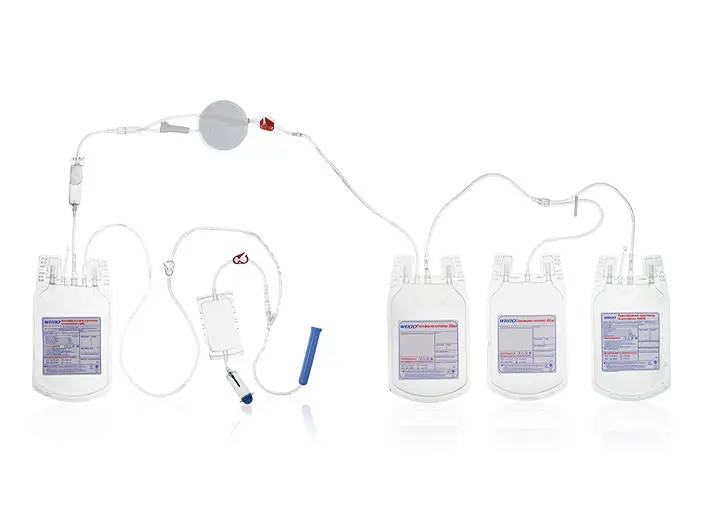
Among all collection tools, blood collection bags play a central role in preventing contamination. Modern blood banking relies entirely on sterile, disposable bags to prevent microbial growth and cross-infection. High-quality bags directly support long-term whole blood storage and component separation.
3. Key Features of High-Quality Blood Collection Bags
When selecting collection systems, look for several critical specifications:
- Medical-grade PVC: The material must be biocompatible, highly resistant to temperature variations, and low in leachability, ensuring optimal blood condition during storage and transfusion. Highly transparent material facilitates visual inspection, allowing for the detection of any abnormalities.
- Anticoagulants: Bags come pre-filled with precisely measured solutions like CPDA-1 or SAGM preservatives. They prevent clot formation and help maintain cell viability.
- Sterile Processing:Every bag must undergo rigorous sterilization (usually via steam or gamma radiation) to ensure it is pyrogen-free.
- Leak-proof and Contamination-resistant Design:Tests like leak testing, tensile strength, biocompatibility, and solution stability are essential to maintain the safety of the “closed system.”
How to Store Whole Blood?
Once collected, the focus shifts to whole blood storage. While blood banks separate blood into components in most cases, whole blood is still vital in specific trauma and “massive transfusion” scenarios.
1. Storage Temperature and Duration
The gold standard for whole blood storage temperature is between +2°C and +6°C. Within this narrow window, the metabolic activity of the cells is slowed down sufficiently to prevent the exhaustion of nutrients without causing the water inside the cells to freeze.
Regarding “how long can blood be preserved,” the answer depends largely on the anticoagulant used:
- CPD: Approximately 21 days.
- CPDA-1: Extends the shelf life to 35 days.
- SAGMAdditive Solution: Extends to 42 days.
2. Why Does Temperature Fluctuation Cause Hemolysis?
Hemolysis refers to the rupture of red blood cells, which releases hemoglobin into the plasma. This is the primary challenge of blood storage.
If the blood bank storage temperature rises above 6°C, the metabolic rate of the cells increases, consuming nutrients and producing waste products that damage cells.
Conversely, if the temperature drops below 2°C, there is a risk of micro-clotting or freezing, which punctures the cell membrane. Consistent, uniform cooling is the only way to prevent this degradation.
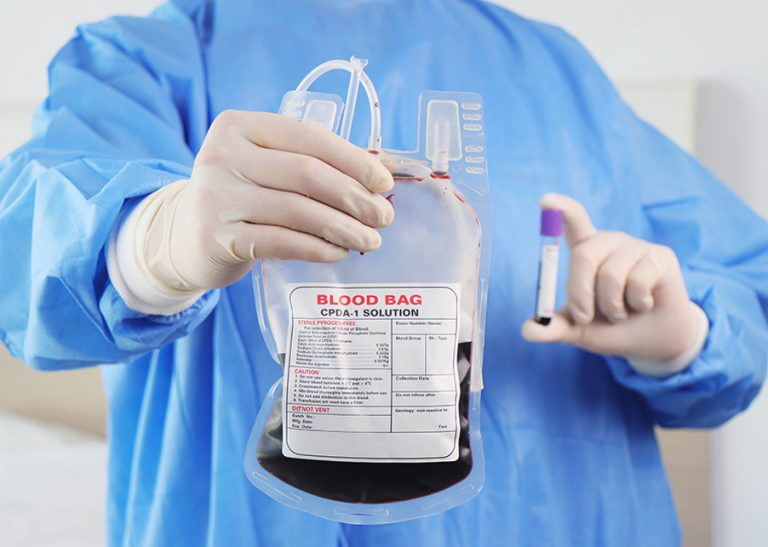
How to Store Blood Components?
In modern medicine, a single donation can help multiple patients because the blood can be separated into its primary components. This helps to manage blood resources more efficiently and improve the effectiveness of transfusions.
However, each component has a vastly different “comfort zone” for storage.
1. Platelets
Platelets are perhaps the most “fragile” component. Unlike other blood products, they must be stored at controlled room temperature (+20°C to +24°C).
- Agitation: Platelets require continuous, gentle agitation. This prevents them from clumping together and maintains their clotting function.
- Duration: Because they are stored at room temperature, they have a high risk of bacterial growth, limiting their shelf life to only 5 to 7 days.
2. Red Blood Cells
Red blood cells follow the same temperature requirements as whole blood (+2°C to +6°C).
With additives such as AS-1/3/5 or SAGM, red blood cells can be preserved for up to 42 days. When treated with cryoprotectants like glycerol, they can be stored at temperatures below -65°C for 10 years or longer.
Stable storage of blood in blood bank refrigeration systems ensures its oxygen-carrying capacity remains effective.
3. Plasma
Plasma contains vital clotting factors that are highly temperature-sensitive. To maintain their efficacy, plasma is usually frozen rapidly after separation.
- Temperature: It must be frozen at temperatures below -30°C to maintain clotting factors and plasma proteins.
- Preservation: Under these frozen conditions, plasma can be preserved for up to one year.
Key Blood Storage Equipment
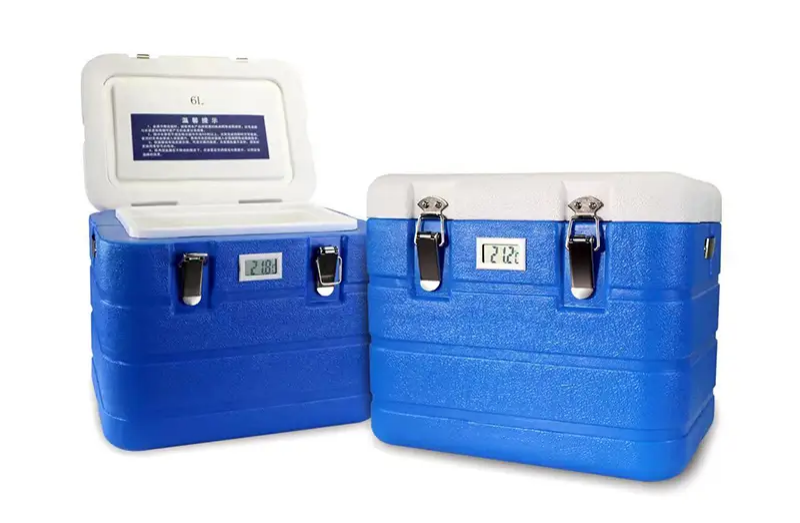
You cannot store life-saving blood in a standard kitchen refrigerator. They require a dedicated medical cooler to store and transport blood, vaccines, medicines, and other medical supplies in blood banks, hospitals, and epidemic prevention stations.
Main functions include:
- Maintaining stable blood storage temperature during transport
- Supporting emergency blood delivery and mobile collection programs
- Feature digital temperature displays for monitoring.
- Reusable and mobile cold source with a long retention period
Blood Storage Solution from WEGO Medical
When it comes to high-quality blood collection bags, partnering with a proven manufacturer is essential. WEGO Medical offers a comprehensive blood bank solution that supports the whole lifecycle of blood collection, processing, storage, and transfusion.
Our blood collection bags are crafted from medical-grade PVC, featuring ultra-thin wall needles for donor comfort and precise anticoagulant formulations (CPDA-1/SAGM). There are a variety of configurations, including single, double, triple, and quadruple bags, to facilitate easy component separation.
To maintain the strict blood bank storage temperature, WEGO provides advanced medical coolers, enable to maintain temperatures from 0°C to 8°C for more than 16 hours. These units feature robust insulation and a temperature display for monitoring.
Welcome to contact us for more information.
Conclusion
How to store blood? It needs correct operation, maintaining a strict blood storage temperature, utilizing high-quality blood collection bags, and investing in medical-grade cooling equipment. WEGO Medical remains committed to providing the reliable tools needed to ensure blood safety from donation to transfusion.
References
[1] Best practice in phlebotomy and blood collection. Available at: https://www.ncbi.nlm.nih.gov/books/NBK138496/ (Accessed: 10 February 2026)