






Cardiopulmonary bypass (CPB) relies on a sophisticated set of components, with the oxygenator serving as the artificial lung. The selection of appropriate oxygenators for CPB is a fundamental decision for perfusion teams, directly impacting patient outcomes. These devices have evolved significantly, leading to distinct types, each with a set of features tailored to surgical demands. We will outline the primary categories of oxygenators and examine the key attributes that define their performance and safety profiles in a clinical setting.
Hollow Fiber Membrane Oxygenators: The Contemporary Standard
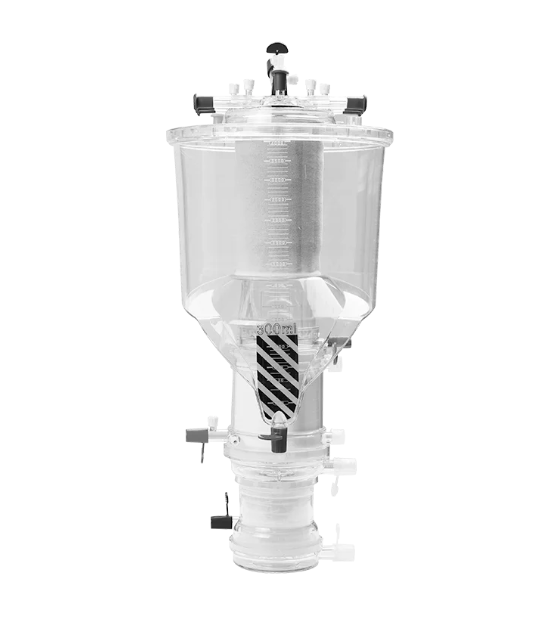
The most prevalent design in modern practice is the hollow fiber membrane oxygenator. This type utilizes a bundle of microporous polypropylene fibers to create a massive surface area for gas exchange within a compact unit. Blood flows around the outside of these fibers, while oxygen flows through the lumens. This configuration allows for highly efficient transfer of oxygen into the blood and removal of carbon dioxide. The design of these oxygenators for CPB minimizes priming volume and reduces hydraulic resistance, which can contribute to better preservation of blood components. Their modular and integrated design is a key reason for their widespread adoption.
Integrated Systems and Core Performance Features
Beyond the basic gas exchange function, modern oxygenators are often part of a consolidated unit. A critical integrated feature is the heat exchanger, which allows for precise control of the patient’s blood temperature during surgery. Other important characteristics include a low prime volume, which reduces the dilution of the patient’s own blood, and a low pressure drop across the fiber bundle, which minimizes mechanical stress on red blood cells and platelets. These combined features in today’s oxygenators for CPB support the broader goals of hemodynamic stability and reduced hemolysis throughout the procedure.
Enhancing Safety Through Surface Technology and Design
A paramount consideration in the use of any extracorporeal device is biocompatibility. To address the inherent thrombogenicity of foreign surfaces, many oxygenators incorporate advanced coatings. These biocompatible treatments are applied to the internal blood-contacting surfaces, including the hollow fibers, to reduce the inflammatory response and the risk of clot formation. This feature allows perfusionists to manage anticoagulation more effectively. Furthermore, the physical design of the oxygenator, including its defoaming capability and venous inlet configuration, is optimized to manage air handling and ensure consistent, safe operation.
The progression in oxygenator technology reflects a continuous effort to improve the safety and efficacy of cardiopulmonary support. The features embedded in current devices—from their efficient hollow fiber membranes to integrated heat exchangers and advanced coatings—are direct responses to clinical needs. At WEGO Medical, we monitor these technological advancements closely. Our focus is on the supply of reliable medical components that meet the exacting standards required in modern cardiac surgery, supporting perfusionists and surgical teams in their vital work.