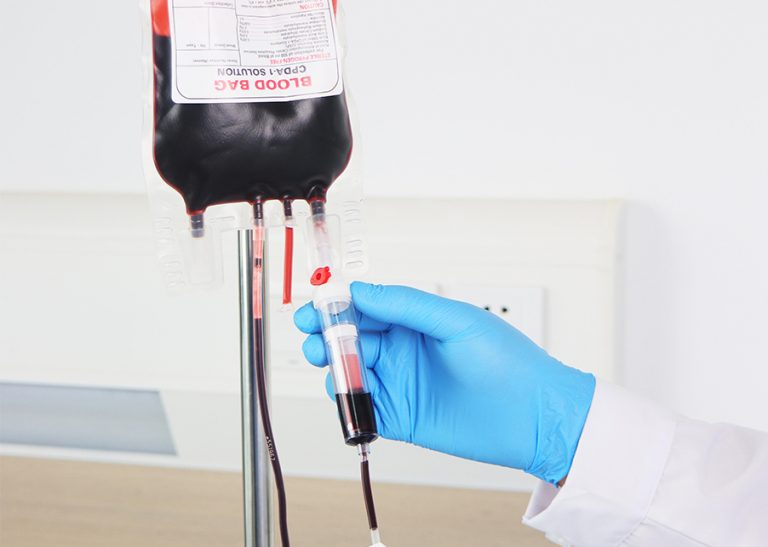







Blood storage relies on a precise balance of chemistry to maintain viability from donation to transfusion. The composition of the anticoagulant-preservative solution within the collection container is a decisive factor in this process. The widespread use of the CPDA anticoagulant blood bag stems from its ability to address several concurrent challenges in whole blood preservation. At WEGO Medical, we view the CPDA anticoagulant blood bag as an integrated system where each component fulfills a distinct, essential role.
The Coordinated Function of Composite Solutions
Early anticoagulants focused solely on preventing coagulation. The advancement to compound solutions like CPDA represented a shift toward supporting cellular metabolism during storage. This formula combines Citrate, Phosphate, Dextrose, and Adenine. Each agent addresses a specific aspect of red blood cell degradation. Citrate chelates calcium to inhibit clotting. Phosphate helps buffer pH changes. Dextrose provides a substrate for glycolysis, and Adenine aids in ATP resynthesis. It is this multi-target approach that defines the functionality of a CPDA anticoagulant blood bag. The system does more than just prevent clotting; it actively works to maintain cellular health over a defined storage period.
Maintaining Hemostatic and Oxygen-Carrying Capacity
The primary clinical goal for stored whole blood is to preserve its function. Two key functions are hemostatic potential and oxygen transport. The citrate in the solution allows platelets and coagulation factors to remain present and viable, though their activity diminishes over time. More critically, the dextrose and adenine work to sustain red blood cell integrity. By supporting adenosine triphosphate production, these components help maintain the biconcave shape of red cells and reduce hemolysis. This directly supports the oxygen-carrying capacity of the unit, which is a principal reason for transfusion. The design philosophy at WEGO Medical prioritizes such functional outcomes when we discuss the utility of our systems.
Operational Reliability in Clinical Settings
Beyond the biochemistry, practical considerations influence preference. The extended storage duration afforded by the CPDA formula, compared to earlier solutions, allows for greater logistical flexibility in inventory management for blood banks. The standardization of this formula also means that protocols for collection, handling, and transfusion are well-established across many facilities. For clinical staff, this consistency reduces complexity. The reliable performance of a CPDA anticoagulant blood bag from a consistent supplier like WEGO Medical becomes a known variable in a complex clinical workflow, supporting efficient and predictable patient care.
The preference for this system is not arbitrary. It is based on a formula that provides a balanced response to the physiological demands of stored blood. By integrating anticoagulation with metabolic support and pH buffering, it offers a comprehensive preservation strategy. This approach aligns with the need for reliable, functional blood products in therapeutic use. For WEGO Medical, contributing to this chain of supply with dependable collection technology is a focus of our work. The CPDA anticoagulant blood bag exemplifies how container chemistry is integral to clinical utility.