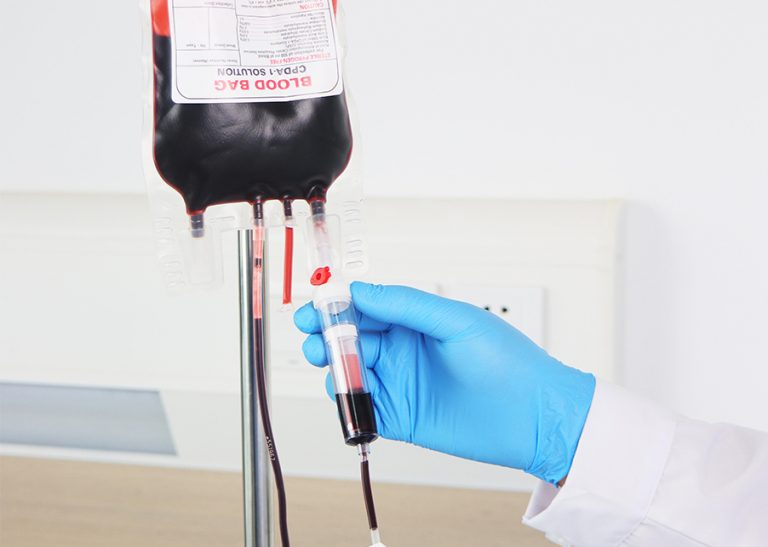







Material composition directly influences the performance and safety of devices used for collecting and storing human blood. The properties of the plastic formulation determine how blood interacts with its container from donation through storage. At WEGO Medical, we consider the engineering of these materials a central part of product design. This article addresses key material properties to evaluate when considering a whole blood collection bag for procurement or use.
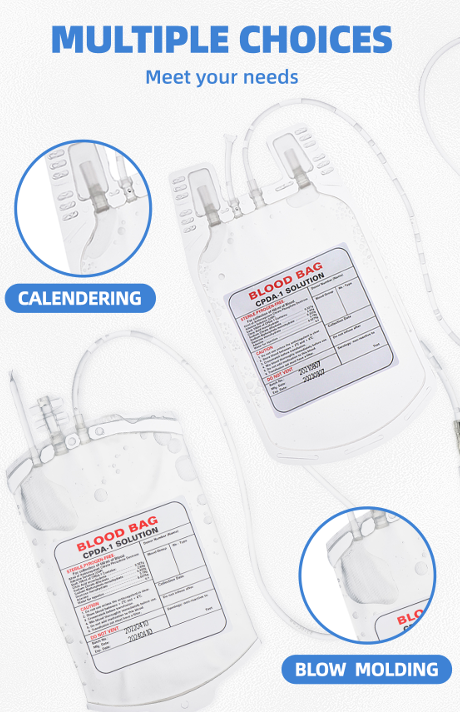
Primary Material Properties and Blood Compatibility
The baseline requirement for any material is biocompatibility, ensuring no adverse reactions with cellular and plasma components. A primary consideration is the presence and type of plasticizers, which confer flexibility to the otherwise rigid PVC commonly used. These compounds must demonstrate minimal leaching into the blood product over its shelf life. Furthermore, the inner surface of a whole blood collection bag often requires a specific treatment or coating to maintain platelet viability and reduce activation during storage. The material’s inherent stability, resisting cracks or breaches under standard handling and freezing conditions, is equally critical.
Preservation of Separated Blood Components
After collection, blood is frequently separated into red cells, plasma, and platelets, each with distinct storage requirements. The material must support this function. For instance, the permeability of the bag wall to oxygen and carbon dioxide can affect red blood cell metabolism and quality. Platelet storage bags often require materials with superior gas exchange properties to maintain pH levels. The design of a multi-bag system, where interconnected whole blood collection bags allow for sterile component separation, relies on materials that can withstand sealing and maintain integrity at all connection points.
Manufacturing Standards and System Integration
The value of a suitable material is realized through consistent, high-precision manufacturing. The process must ensure each bag is sterile, pyrogen-free, and free of defects. Seam strength, the reliability of ports and tubing, and the clarity of labeling areas are all influenced by material quality and production controls. At WEGO Medical, our processes aim to meet these exacting standards. The goal is to provide a whole blood collection bag that functions reliably as part of an integrated system, from the donor phlebotomy through final transfusion, supporting the work of blood banks and clinical staff.
Selecting the appropriate material for a blood collection container is a decision grounded in material science and hemocompatibility. The choice affects the viability of every unit collected and the safety of the subsequent transfusion. By focusing on properties that promote stability and preserve function, facilities can make informed selections. We see our role at WEGO Medical as a provider of products that meet these technical demands. A well-chosen whole blood collection bag, defined by its material specifications, forms a fundamental link in the chain from donor to recipient.