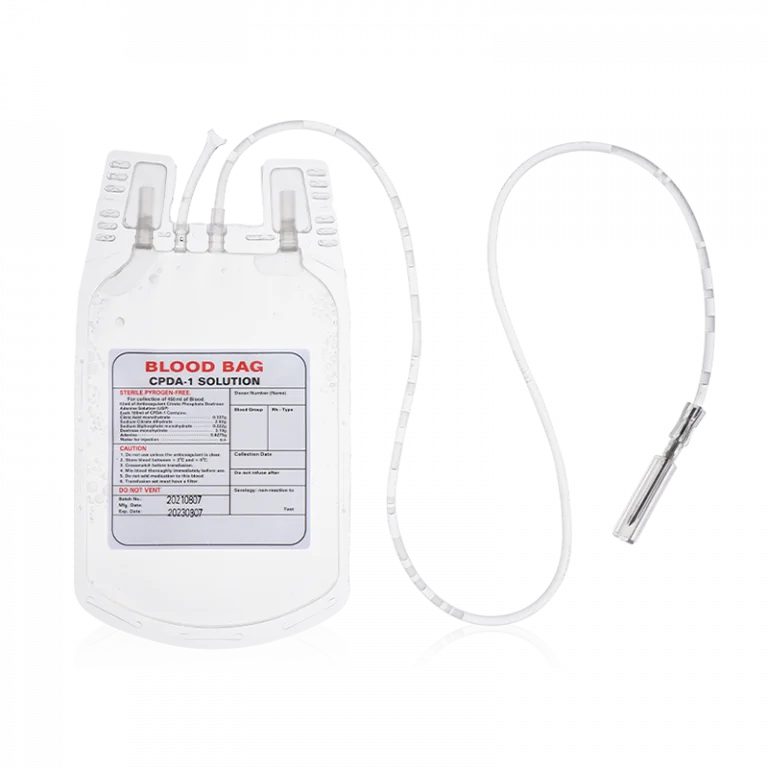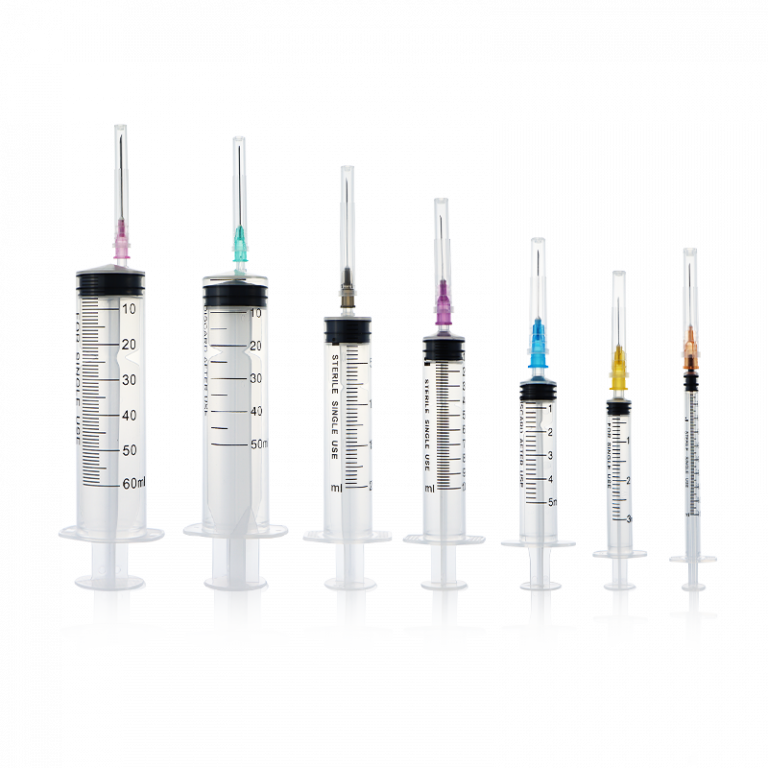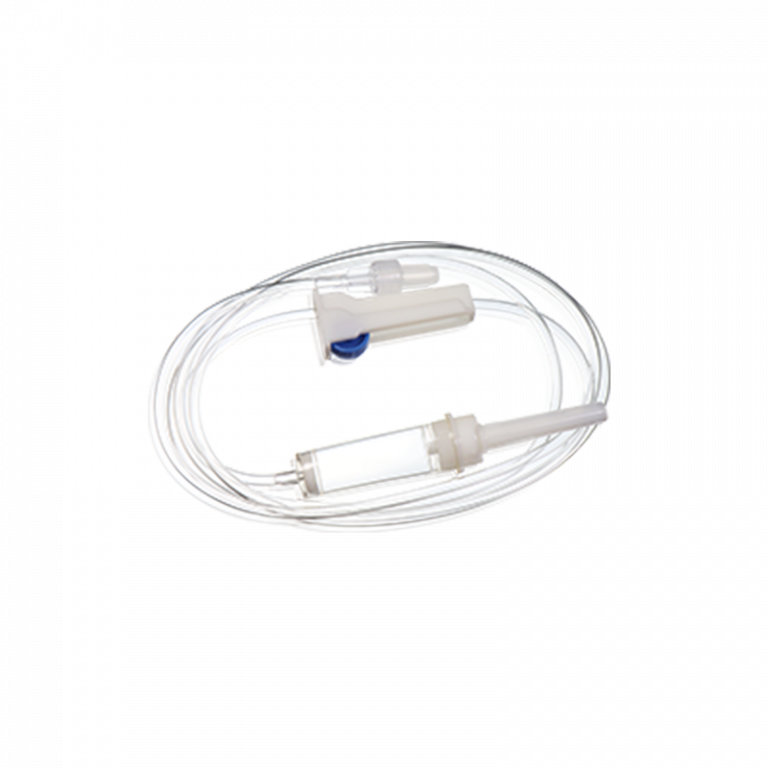







Starting a distribution business in the healthcare sector requires careful planning and a clear understanding of the industry’s specific demands. The role of a distributor is to connect manufacturers with the end-users, such as hospitals and clinics, ensuring a smooth and reliable flow of essential products. A deep familiarity with the vast category of medical consumables—from basic gloves and syringes to specialized surgical kits—forms the foundation of this venture. Success depends on establishing robust operational systems from the outset.
Securing the Necessary Regulatory Compliance
The first concrete step involves navigating the regulatory landscape. Distributors must obtain the proper licenses and certifications to operate legally and ethically. This process varies by region but generally includes business registration, permits for handling medical devices, and adherence to standards for storage and transportation. A strong quality management system is not just a legal formality; it builds credibility with both manufacturers and healthcare clients who prioritize partners with verifiable compliance protocols.
Building a Network of Reliable Manufacturers
The core of a distribution business is its product portfolio. This requires forming direct partnerships with manufacturers who can supply high-quality, consistently available medical consumables. Evaluate potential partners on their production capacity, quality control measures, and reputation in the market. A diverse supplier base helps mitigate risk and allows you to meet a wider range of customer requests. These relationships are strategic, so focus on building collaborative partnerships rather than viewing them as simple transactions.
Developing a Logistics and Client Management Strategy
Efficient logistics are the engine of a distribution operation. You need a plan for warehousing that includes appropriate storage conditions for sensitive medical consumables, as well as an inventory management system to track stock levels and expiration dates. Furthermore, a clear sales and marketing strategy is essential for identifying and reaching your target clients. This involves defining your value proposition—whether it’s exceptional service, specialized product lines, or geographic coverage—and communicating it effectively to healthcare providers.
As a company that works with a global network of partners, we at WEGO Medical understand the critical role that distributors play in the healthcare ecosystem. Our own operations rely on effective channels to deliver products to market. We recognize that the most successful distributors are those who master the intricacies of supply chain management and maintain an unwavering focus on quality and reliability.
Establishing a medical supplies distribution company is a significant undertaking that blends regulatory knowledge, strategic partnerships, and operational excellence. By methodically addressing each of these components, a new distributor can build a sustainable business. The goal is to become a trusted link in the supply chain, ensuring that healthcare providers receive the vital resources they need without interruption.