






Providing advanced support for patients with severe cardiopulmonary failure often requires specialized interventions. Extracorporeal membrane oxygenation (ECMO) has become a critical tool in intensive care units, offering temporary life support when conventional treatments are insufficient. Understanding the clinical indications for ECMO helps hospitals implement this therapy effectively and improve patient outcomes.
Severe Respiratory Failure
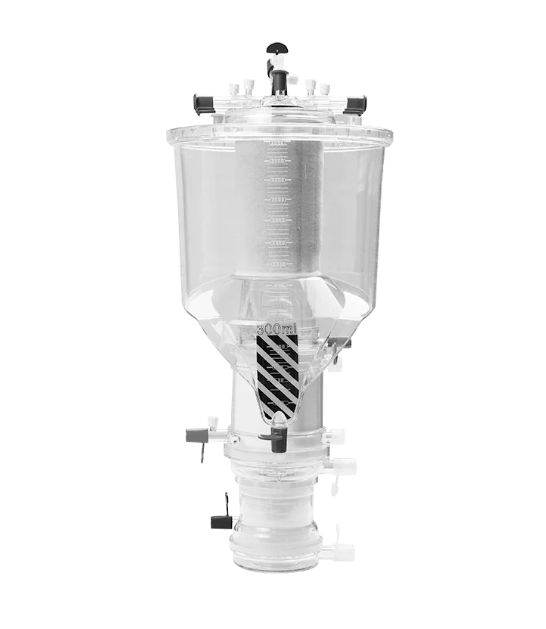
One of the primary indications for extracorporeal membrane oxygenation is severe respiratory failure. Patients with acute respiratory distress syndrome (ARDS), severe pneumonia, or other conditions that compromise oxygenation may benefit from ECMO support. Membrane oxygenation allows the blood to receive oxygen outside the body while carbon dioxide is removed, reducing stress on the lungs and providing time for recovery. In critical care settings, timely initiation of ECMO can prevent further organ damage and support survival in cases where mechanical ventilation alone is inadequate.
Cardiogenic Shock and Cardiac Arrest
In addition, extracorporeal membrane oxygenation (ECMO) is recommended for patients who are experiencing cardiogenic shock or cardiac arrest. In circumstances like these, membrane oxygenation helps to sustain both cardiac and respiratory processes, so ensuring that essential organs receive the oxygenation they require without restriction. Extracorporeal membrane oxygenation (ECMO) has the potential to act as a bridge to recovery or to more definitive procedures such as ventricular assist devices or heart transplants. It does this by stabilizing circulation and oxygen supply. The conditions of patients must be properly evaluated, and ECMO therapy must be closely monitored, in order for hospitals to optimize the advantages while simultaneously reducing the potential risks.
Postoperative Support and Bridge Therapy
One further significant application of extracorporeal membrane oxygenation (ECMO) is providing postoperative support after high-risk cardiac or thoracic procedures. During the period of time that the patient is recuperating from surgery, membrane oxygenation can offer temporary aid to the circulatory and respiratory systems. Patients who are awaiting organ transplantation or who are recovering from serious pulmonary or cardiac damage can also benefit from extracorporeal membrane oxygenation (ECMO) as a bridging therapy. For the purpose of ensuring patient safety and optimizing outcomes, the implementation of extracorporeal membrane oxygenation (ECMO) in these settings requires specialized training, equipment preparedness, and defined procedures.
In order to meet the demands of intensive care units, WEGO Medical has developed ECMO systems that are both dependable and user-friendly. The efficient delivery of advanced cardiopulmonary support is made possible by our membrane oxygenation technology, which aids healthcare teams in managing critically ill patients. Improved life-saving care delivery, operational efficiency, and patient safety may all be yours when hospitals use WEGO Medical‘s ECMO systems.