





The duration of ECMO support is a common question with a complex answer, as it is not governed by a fixed schedule. Extracorporeal membrane oxygenation serves as a temporary life-support system, taking over the work of the heart and lungs to allow these organs time to recover from severe illness or injury. The length of time a patient remains on this therapy depends entirely on their individual clinical progress and the underlying condition being treated. We will examine the factors that influence this critical period and what the care team monitors to determine the appropriate endpoint for therapy.
Key Factors Influencing the Duration of Support
Several clinical elements directly impact how long a patient may require ECMO. The primary factor is the nature and reversibility of the initial heart or lung failure. Conditions like post-cardiotomy shock or severe viral pneumonia have different recovery trajectories. The patient’s overall health prior to the acute event is also significant; a stronger baseline often supports a more robust recovery. Furthermore, the development of complications, such as bleeding or infection, can prolong the need for support by diverting the body’s healing resources. The membrane oxygenation circuit itself must remain functional throughout, requiring meticulous management by a specialized clinical team.
Typical Timeframes and Evolving Clinical Scenarios
While each case is unique, general patterns exist within clinical practice. For respiratory failure, runs may often last from several days to a few weeks. For cardiac support, the timeline can be similar, though some patients may require support for a longer period while awaiting a more permanent solution like a ventricular assist device or transplant. The healthcare team conducts daily assessments of organ function, weaning parameters, and overall clinical status. These evaluations help form an evolving picture of whether the native organs are regenerating their capacity, guiding the decision to begin reducing support.
The Process of Weaning and Discontinuing Therapy
The conclusion of ECMO is not an abrupt event but a carefully managed process known as weaning. For patients on veno-venous (VV) ECMO for lung support, this involves gradually reducing the blood flow through the circuit while assessing the patient’s own ability to maintain adequate oxygenation and ventilation. For those on veno-arterial (VA) ECMO for heart and lung support, weaning involves slowly decreasing the pump flow while monitoring cardiac function with echocardiography and other hemodynamic parameters. A successful wean demonstrates that the patient’s organs can sustain the body independently once the membrane oxygenation support is fully withdrawn.
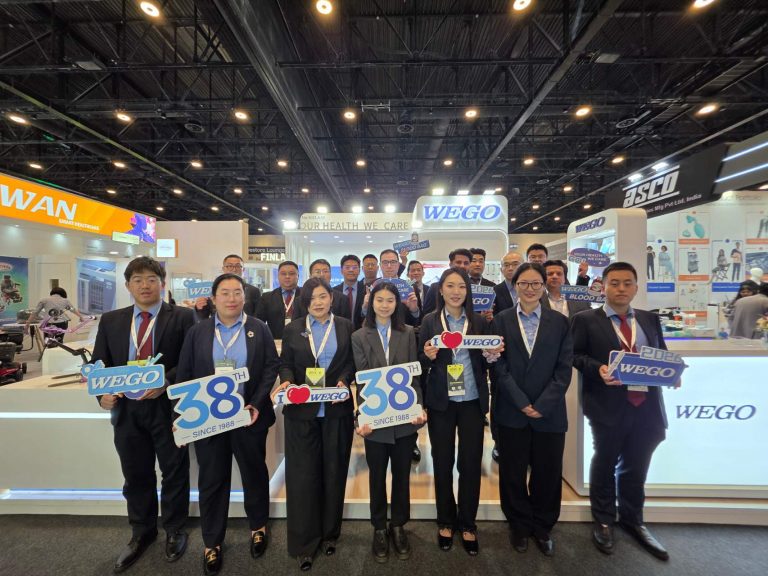
The entire journey on ECMO is a carefully balanced intervention, with its duration being a direct reflection of the patient’s path to recovery. The goal is always to provide sufficient support for healing while minimizing the risks associated with prolonged therapy. At WEGO Medical, we support the critical work of ECMO teams by contributing to the ecosystem of medical technology. Our focus is on the manufacturing and reliable supply of components that meet the demanding standards required for life-supporting care.