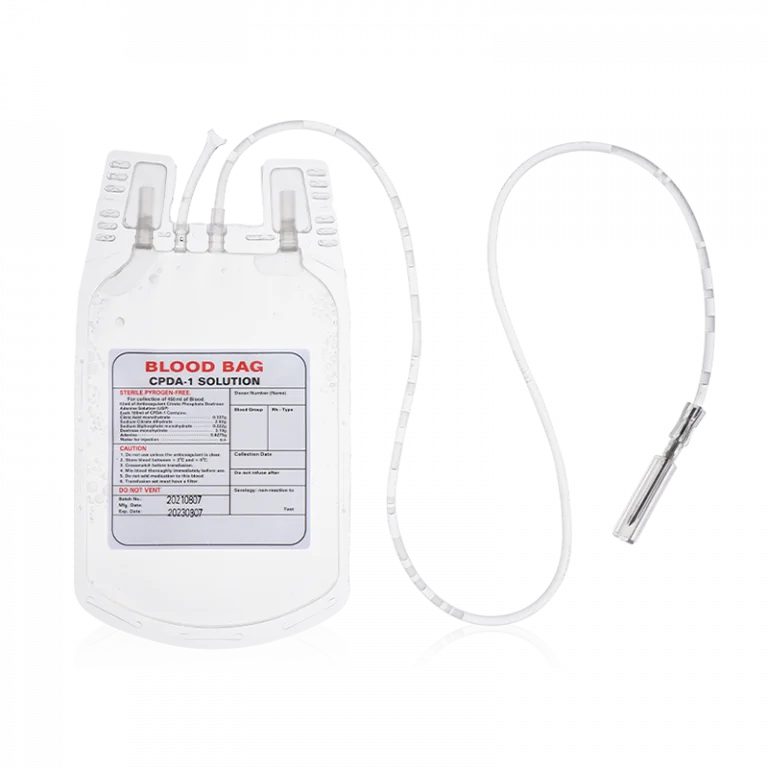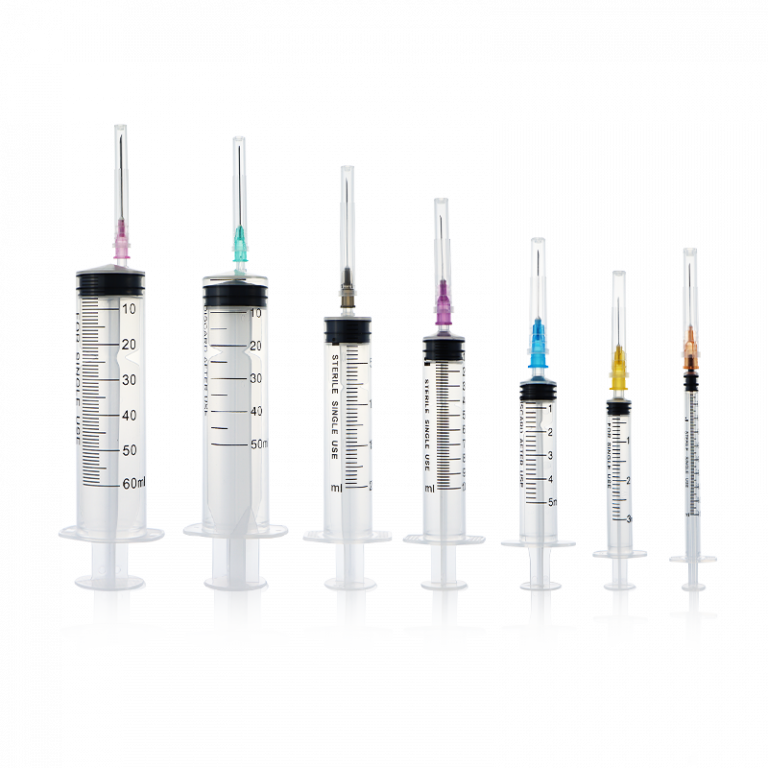







Selecting the appropriate sterilization equipment is a critical decision for any laboratory or hospital. At WEGO Medical, we understand the importance of maintaining a sterile environment for both patient safety and research integrity. A laboratory steam sterilizer plays a pivotal role in decontaminating surgical instruments, laboratory glassware, and other reusable items. Choosing the right model requires careful consideration of capacity, material quality, and operational features.
Understanding the Key Features of a Steam Sterilizer
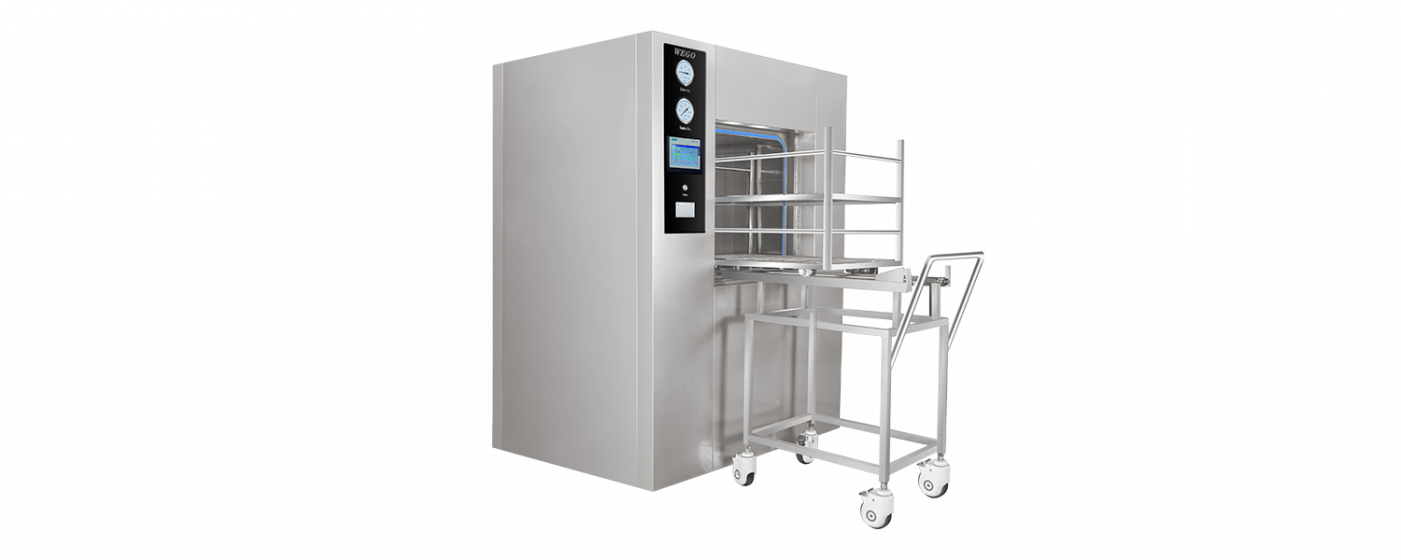
When evaluating a laboratory steam sterilizer, both performance and durability are critical factors. Vertical sliding steam sterilizers, for example, often feature rectangular-shaped chambers and jackets made of high-quality stainless steel, such as AISI 304 or AISI 316. These materials provide excellent resistance to corrosion, chemical exposure, and mechanical wear, ensuring long-term reliability even in demanding laboratory or hospital environments. Automatic vertical sliding doors simplify loading and unloading processes, improving workflow efficiency and reducing the risk of handling errors. A built-in steam generator further enhances the sterilization process by delivering consistent, uniform steam distribution throughout the chamber, which is essential for achieving effective microbial inactivation on all instruments.
Assessing Capacity and Workflow Needs
Selecting an appropriate laboratory steam sterilizer requires careful consideration of the facility’s daily sterilization volume and workflow requirements. For larger laboratories or hospitals, a sterilizer with sufficient chamber size, rapid steam generation, and efficient circulation is essential to maintain throughput without compromising sterilization quality. High-quality stainless steel pipelines with clamp connections reduce maintenance needs and prevent leaks, ensuring long-term operational reliability. Understanding these factors allows decision-makers to match equipment specifications with specific operational demands, optimize cycle times, and maintain consistent sterilization outcomes across various instruments and materials.
Prioritizing Safety and Compliance
Safety is a critical aspect when using steam sterilizers in clinical or laboratory settings. Features such as automatic controls, reliable door locking mechanisms, precise temperature and pressure monitoring, and emergency shut-off systems help prevent accidents and ensure effective sterilization cycles. Proper training for operators, adherence to usage protocols, and routine equipment checks are equally important to minimize risks associated with handling contaminated materials. Selecting sterilizers that comply with regulatory standards and provide user-friendly operation enhances overall laboratory safety and ensures that sterilization processes consistently meet clinical or laboratory requirements.
Conclusion
Choosing the right laboratory steam sterilizer involves balancing technical specifications, workflow needs, and safety considerations. Factors such as chamber material, steam generator efficiency, capacity, and safety mechanisms all contribute to reliable and effective sterilization outcomes.We at WEGO Medical provide guidance on our sterilizer products to help clients understand specific features and compliance requirements. In our experience, decision-makers benefit most from focusing on practical considerations, operational efficiency, and long-term reliability. By investing time to evaluate these aspects, we help ensure that facilities maintain high safety standards and optimal operational performance, supporting consistent hygiene and effective infection control practices.