






Creating a dedicated logistics operation for healthcare products involves addressing specific operational requirements. Transporting medical consumables supplies demands a higher standard of care compared to general freight, given the sensitive nature of the products. A carrier must build processes that guarantee integrity, compliance, and timely delivery from the distribution point to the healthcare facility. This foundation is built on regulatory knowledge, specialized infrastructure, and reliable partnership networks.
Implementing a Compliant Transportation Framework
The first operational pillar is establishing a transportation system that meets healthcare industry regulations. This goes beyond standard shipping licenses. It requires protocols for handling temperature-sensitive items, documenting chain of custody, and managing products with specific sterility requirements. A thorough understanding of these rules is necessary for anyone moving medical consumables supplies, as non-compliance can result in rejected shipments and lost partnerships. Implementing a rigorous training program for staff on these handling procedures is a fundamental step.
Investing in Specialized Logistics Infrastructure
The physical movement of medical goods requires appropriate assets. This often means utilizing refrigerated vehicles, secure warehousing with climate control, and inventory management systems that can track lot numbers and expiration dates. The infrastructure must be designed to prevent damage, contamination, or exposure to adverse environmental conditions during storage and transit. This level of investment demonstrates a commitment to preserving the quality and efficacy of the medical consumables supplies throughout the entire logistics chain.
Forging Partnerships with Medical Distributors
A logistics provider does not operate in isolation; its success is tied to strong relationships with medical distributors and manufacturers. These partners require carriers who can provide visibility into shipment status, offer flexible delivery windows for hospitals, and proactively communicate any potential delays. Building a reputation for reliability and transparency is key to securing long-term contracts. This involves demonstrating a consistent ability to manage the complexities of the healthcare supply chain effectively.
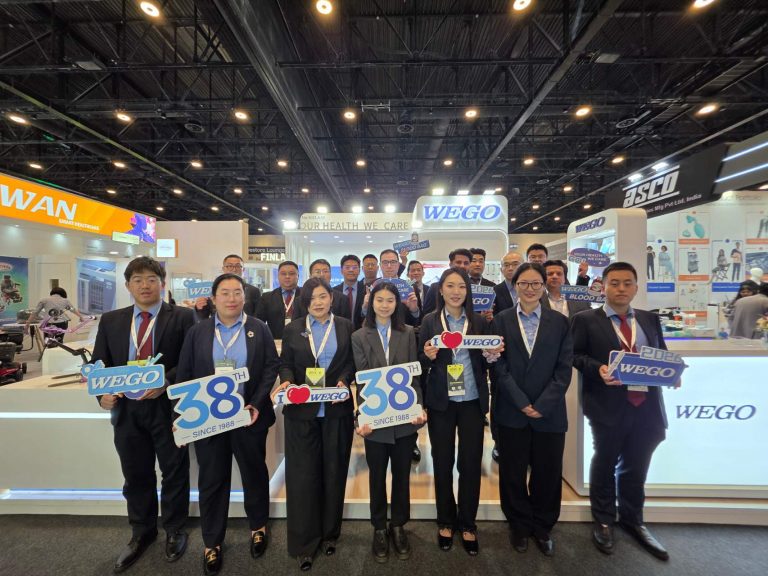
Our global operations at WEGO Medical depend on a network of logistics partners who understand these critical differentiators. We rely on carriers who have built their services around the unique demands of the medical field, ensuring that products reach their destinations in the condition they left our control. This collaboration is vital for maintaining the integrity of the supply chain.
Operating as a carrier for medical supplies is a specialized venture defined by its attention to regulatory detail, infrastructure investment, and collaborative reliability. The role is integral to the healthcare ecosystem, ensuring that clinics and hospitals have continuous access to the products they need. A methodical approach to building this type of logistics business creates a valuable service for the industry.