






Extracorporeal membrane oxygenation represents a significant intervention in critical care, reserved for patients with potentially reversible cardiac or respiratory failure. The decision to initiate this therapy involves a careful evaluation of its substantial capabilities against its inherent complexities. Clinicians must weigh the profound life-sustaining benefits of extracorporeal membrane oxygenation against a well-documented profile of associated risks. This balance is not static; it shifts based on patient-specific factors, the underlying etiology of organ failure, and the capabilities of the treating institution. A clear understanding of this risk-benefit profile is fundamental for teams considering or managing this advanced form of support.
The Potent Life-Sustaining Advantages of the Therapy
The primary benefit of extracorporeal membrane oxygenation is its ability to provide complete cardiopulmonary support when conventional measures are exhausted. The core technology of the extracorporeal membrane oxygenation circuit performs the gas exchange functions of the lung, oxygenating blood and removing carbon dioxide. This allows for a protective ventilation strategy for the native lungs, minimizing further ventilator-induced injury. In cardiac applications, it can maintain systemic perfusion, effectively acting as an external pump to rest the heart muscle and reduce its metabolic demand. This creates a vital therapeutic window, granting time for the organs to recover or for definitive interventions like transplantation to be arranged.
Acknowledging the Significant Potential Complications
The invasive nature of extracorporeal membrane oxygenation introduces a spectrum of serious risks. The contact between blood and the artificial surfaces of the circuit can trigger a systemic inflammatory response and disrupt coagulation pathways, leading to bleeding and thrombosis simultaneously. Patients often require systemic anticoagulation, which elevates the danger of hemorrhagic events, including intracranial hemorrhage. Other frequent concerns include vascular injury at cannulation sites, infection, and limb ischemia. The technical complexity of managing the extracorporeal membrane oxygenation circuit itself also presents risks, such as circuit thrombosis or oxygenator failure, which can have immediate and severe consequences.
The Critical Importance of Patient Selection and Management
The ultimate balance between the risks and benefits of extracorporeal membrane oxygenation hinges on meticulous patient selection and expert clinical management. Candidacy is influenced by the patient’s age, the reversibility of the underlying condition, and the presence of comorbidities that could exacerbate risks, such as a pre-existing bleeding diathesis. The concentration of this advanced therapy within high-volume centers with specialized multidisciplinary teams is directly associated with improved outcomes. These teams are adept at the nuanced management of anticoagulation, the prevention and treatment of complications, and the difficult decision of when to wean from support or transition to palliative care if recovery proves elusive.
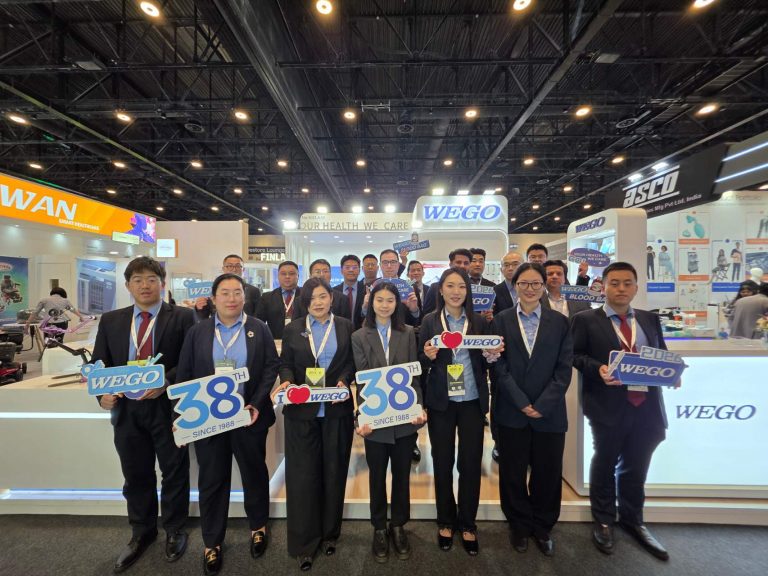
The clinical application of extracorporeal membrane oxygenation remains a powerful but double-edged sword in modern medicine. Its capacity to sustain life in the most critical circumstances is tempered by a significant burden of potential morbidity. At WEGO Medical, we recognize the gravity of these decisions. Our focus is on supporting the healthcare teams who navigate this complex landscape by contributing to the ecosystem of reliable medical technology, understanding that the tools used in such high-stakes environments must be engineered for utmost safety and performance.