






Sterilization is a cornerstone of healthcare safety, and at WEGO Medical, we focus on providing reliable solutions through our autoclave steam sterilizer systems. Understanding how different sterilization cycles operate can greatly impact infection control in hospitals and laboratories. We have designed our vertical sliding steam sterilizer to offer versatile sterilization options, catering to varying needs with efficiency and precision.
Gravity Cycle: A Traditional Yet Effective Approach
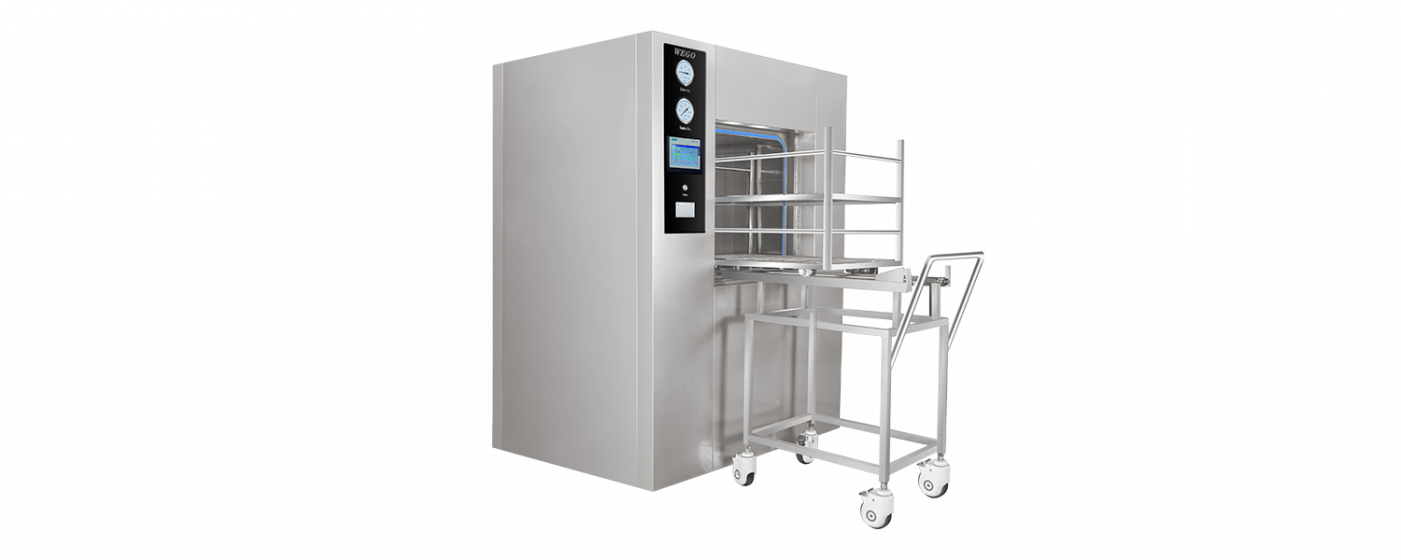
The gravity cycle remains one of the fundamental methods of steam sterilization. In this cycle, air is naturally displaced by incoming steam, allowing sterilization to occur primarily through steam penetration. Proper chamber design and material selection are essential for maintaining consistent temperature and pressure throughout the process. Vertical loading and unloading techniques help minimize heat loss and maintain sterility. This method is particularly suitable for sterilizing robust surgical instruments and non-porous loads, offering a dependable choice when time-sensitive sterilization is required. Operators should monitor pressure and temperature gauges closely and ensure that instruments are properly arranged to maximize steam exposure.
Pre-Vacuum Cycle: Enhancing Steam Penetration
For delicate instruments and complex loads, the pre-vacuum cycle provides deeper and more uniform steam penetration. By using a vacuum pump to remove air before steam injection, this cycle reduces the risk of cold spots and improves sterilization efficiency. Careful attention to the vacuum stage, steam injection rate, and load arrangement is necessary to ensure consistent results. Pre-vacuum cycles are particularly beneficial for hollow instruments or items with narrow lumens, where trapped air could prevent thorough sterilization. While advanced autoclave systems, such as those with built-in steam generators and high-quality pipelines, can facilitate precise pre-vacuum operations, understanding the timing and sequence of vacuum and steam pulses is critical for safe and effective sterilization.
Pulsed Vacuum Cycle: Optimizing Sterilization for Porous Loads
The pulsed vacuum cycle is ideal for porous or wrapped items that require complete steam infiltration. Alternating cycles of vacuum and steam injection remove residual air pockets, ensuring that sterilization reaches every part of the load. Proper loading techniques, including avoiding overpacking and ensuring adequate spacing between items, enhance steam circulation and efficiency. Operators should also verify that vacuum pumps and pressure sensors are functioning correctly to prevent incomplete sterilization. Knowledge of pulsed vacuum cycle parameters, such as the number of pulses and the timing of steam injection, is essential for maintaining high sterilization standards.
Conclusion: Choosing the Right Cycle for Your Needs
We recognize that different sterilization requirements call for tailored approaches. By offering gravity, pre-vacuum, and pulsed vacuum cycles in our vertical sliding autoclave steam sterilizer, we provide flexible solutions that adapt to various instruments and materials. Our commitment is to deliver equipment that supports safe, efficient, and precise sterilization, helping healthcare professionals maintain the highest standards of hygiene and patient safety. Understanding these cycles allows us—and our clients—to optimize sterilization practices while relying on robust and well-engineered systems.