






Extracorporeal membrane oxygenation, or ECMO, provides prolonged cardiac and respiratory support to patients whose heart and lungs are unable to function adequately. This advanced technology serves as a temporary bypass system, performing the essential work of gas exchange outside the body. The primary goal of this therapy is to sustain organ perfusion and oxygenation, thereby allowing the native heart and lungs time to rest and recover from severe, but potentially reversible, conditions. Its application represents a significant commitment of clinical resources and expertise.
The Core Components of the ECMO Circuit
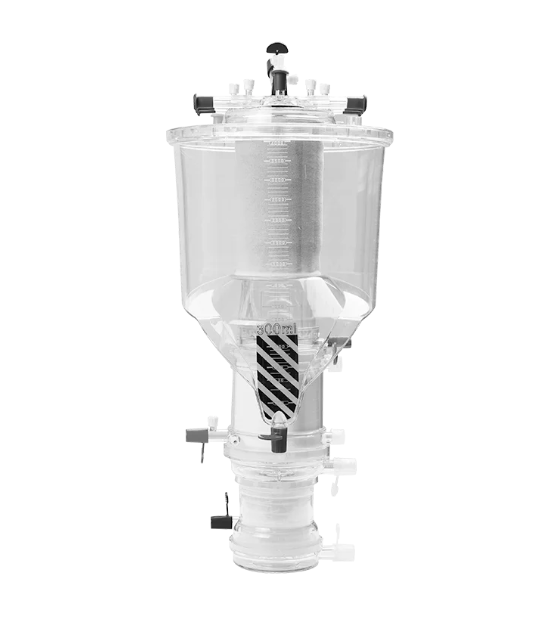
An extracorporeal membrane oxygenation circuit consists of several integrated parts that function as an external life-support loop. Blood is drained from the patient via a large cannula placed in a major vein or artery. It then travels through tubing to a mechanical pump, which propels the blood forward without causing significant damage to the blood cells. The critical component is the artificial lung, the membrane oxygenator, where the blood flows past a gas-permeable membrane. Here, oxygen is added directly to the blood, and carbon dioxide is removed, effectively performing the function of the alveolar-capillary interface.
Primary Configurations: Veno-Venous and Veno-Arterial
The setup of the circuit is tailored to the patient’s specific organ failure, leading to two primary configurations. For isolated respiratory failure, Veno-Venous (VV) ECMO is employed. In this mode, blood is withdrawn from a central vein, passed through the membrane oxygenation system, and returned to another central vein. This configuration provides gas exchange support but does not directly assist the heart. For combined cardiac and respiratory failure, Veno-Arterial (VA) ECMO is used. Here, blood is withdrawn from a vein but returned into the arterial system, providing both oxygenation and direct hemodynamic support by taking over a portion of the heart’s pumping work.
Clinical Applications and Inherent Challenges
The use of extracorporeal membrane oxygenation is reserved for the most critically ill patients where conventional management has failed or is expected to fail. Common indications include severe ARDS (Acute Respiratory Distress Syndrome), refractory cardiogenic shock, and use as a bridge to heart or lung transplantation. However, this powerful therapy carries substantial risks, most notably bleeding due to the necessary blood thinners, thrombosis within the circuit, and potential for infection. Managing a patient on ECMO requires a highly specialized, multidisciplinary team to continuously balance the benefits of support against these potential complications.
It is a significant professional task to make the decision to begin this therapy, which reflects a commitment to providing assistance to a patient throughout a critical stage of organ failure. The technology opens up a one-of-a-kind window of chance for recovery that was not available in the past. We, at WEGO Medical, are aware of the enormous responsibility that is carried by the clinical teams that are responsible for operating these intricate systems. It is our responsibility to provide assistance to the industry by means of the specialized production of essential medical components, thus making a contribution to the infrastructure that enables such advanced life-supporting care to be provided.