






In cardiac surgery, maintaining proper oxygenation of blood is critical for patient safety and successful outcomes. Membrane oxygenators, often referred to as oxygenators for CPB (cardiopulmonary bypass), play a pivotal role in supporting the heart and lungs during these procedures. Understanding their use and operational requirements helps hospitals and surgical teams maximize both efficiency and safety.
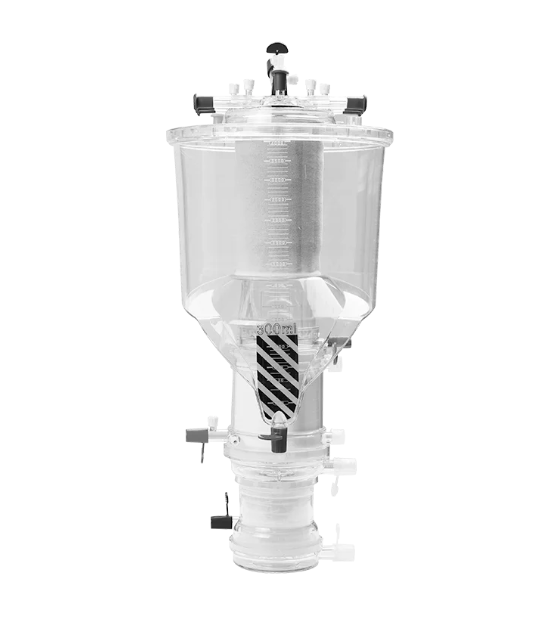
Function and Mechanism of Membrane Oxygenators
A membrane oxygenator serves as an artificial lung during cardiopulmonary bypass, facilitating the exchange of oxygen and carbon dioxide in the patient’s blood. Blood is diverted from the patient into the oxygenator, where it passes over a gas-permeable membrane. Oxygen diffuses into the blood, while carbon dioxide is removed, before the blood is returned to the patient. At WEGO Medical, we focus on ensuring that clinical teams understand flow rates, membrane integrity, and proper setup techniques. This knowledge is crucial for achieving optimal oxygenation and minimizing risks during surgery.
Applications in Cardiac Surgery
Membrane oxygenators are primarily used during procedures requiring cardiopulmonary bypass, such as valve replacements, coronary artery bypass grafting, or complex congenital heart surgeries. They provide a controlled environment for blood oxygenation, allowing surgeons to operate on a non-beating heart while maintaining patient stability. We train surgical staff to select oxygenators suitable for specific patient profiles, taking into account factors such as blood volume, anticipated bypass duration, and resistance requirements. Using the correct oxygenator improves procedural efficiency and supports better patient outcomes.
Safety Considerations and Best Practices
Safe operation of oxygenators for CPB requires careful monitoring and adherence to protocols. Proper priming, de-airing, and regular inspection of the circuit are essential steps before initiating bypass. We emphasize continuous observation of blood gases, pressures, and flow rates throughout the procedure to detect any abnormalities early. Additionally, regular maintenance and replacement schedules for the oxygenator membranes are necessary to prevent equipment failure. Implementing these practices ensures reliable performance and minimizes risks such as embolism, hemolysis, or oxygenation failure.
Oxygenators for CPB are available from WEGO Medical, and they are designed with surgical teams’ needs in mind, combining precision engineering with practical advice. Heart treatments can be performed more efficiently and with less risk when hospitals use high-quality membrane oxygenators in conjunction with the right training. Our top priority is ensuring the safety of our patients, and we will not rest until we assist healthcare providers in reaching these goals. Our products give cardiac surgery teams the tools they need to confidently and precisely carry out complicated procedures.