






Guaranteeing a safe environment for personnel is a fundamental aspect of operating any high-pressure, high-temperature equipment. An autoclave machine, while indispensable for sterilization, presents specific hazards that require a methodical and informed approach. These risks, which include steam burns, potential explosions, and exposure to biohazardous materials, are entirely manageable with rigorous protocols. We have outlined the essential safety precautions for using an autoclave machine, providing a clear framework to protect your team and your facility.
Prioritizing Personal Protective Equipment (PPE)
The first and most direct line of defense is the consistent use of appropriate Personal Protective Equipment. Anyone handling an autoclave machine must wear heat-resistant gloves and a lab coat to protect against steam and hot surfaces. Safety glasses or a face shield are non-negotiable to shield the eyes from potential spurts of steam or hot fluid when opening the chamber door. Closed-toe shoes should be standard laboratory practice. This basic PPE regimen significantly reduces the risk of personal injury during the loading and unloading phases of the sterilization cycle.
Executing Secure Loading and Cycle Management
Correct loading procedures are critical for both effective sterilization and operational safety. Never overfill the chamber, as this obstructs steam penetration and can create pressure imbalances. Ensure all items are packaged in autoclave-safe containers and that liquids are placed in dedicated, vented containers to prevent explosive boiling. Always double-check that the door is fully sealed and locked before initiating a cycle. Select the correct cycle parameters—time, temperature, and pressure—for the specific load contents to ensure the process runs as intended from start to finish.
Implementing Careful Unloading and Post-Process Protocols
The safety process does not end when the cycle completes. Allow the autoclave machine to fully depressurize and the internal temperature to drop to a safe level, typically below 80°C, before attempting to open the door. When opening, stand to the side and slowly crack the door open to let residual steam escape gradually, keeping your face and hands clear. Contents will be extremely hot and should be handled with caution; use trolleys for transporting hot items. Finally, ensure all processed waste and materials are clearly labeled as sterile to prevent cross-contamination.
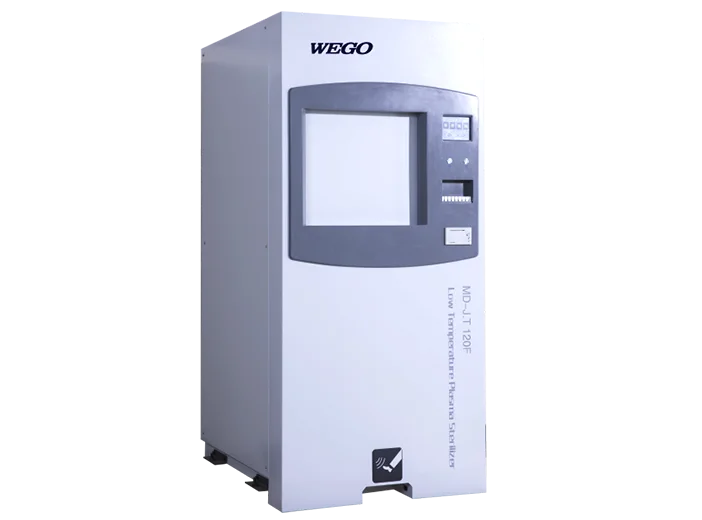
A disciplined approach to these safety measures fosters a culture of prevention and responsibility in any workspace utilizing sterilization equipment. Consistent training and reinforced protocols are the cornerstones of preventing accidents and ensuring the well-being of all staff members. At WEGO Medical, we design our autoclave machines with integrated safety features, but their effectiveness is maximized through informed and careful operation. We are committed to providing equipment that supports not just the efficiency, but also the fundamental safety of your critical processes.