






Orthopedic implants are specialized medical devices designed to restore function to damaged bones and joints. Surgeons use these instruments to stabilize fractures, replace arthritic joints, or correct deformities, helping patients regain mobility and reduce pain. The creation of these devices represents a convergence of materials science, biomechanical engineering, and surgical skill. From plates and screws for a broken ankle to a total knee replacement, these implants provide the internal scaffolding the body needs to heal and function effectively.
The Primary Functions and Widespread Applications
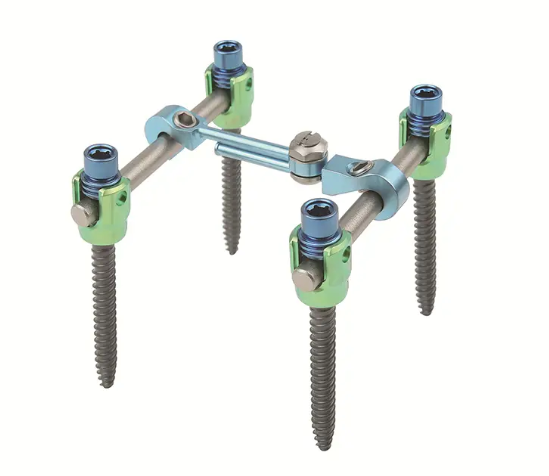
The roles these devices play are varied but interconnected. A primary function is the restoration of stability, often achieved through a bone plate and screw system that holds fractured segments in alignment during the healing process. Another major application is joint replacement, where an artificial implant takes over for a worn-out hip, knee, or shoulder, restoring pain-free motion. Furthermore, implants are crucial in spinal surgery, where a modular spinal fixation system can be assembled to address complex deformities or instability, providing structural support to the vertebral column.
The Critical Role of Materials and Biocompatibility
The long-term success of any implant hinges on the materials from which it is constructed. These materials must possess significant strength to withstand bodily forces while being entirely biocompatible, meaning they do not provoke a negative reaction from the body’s immune system. Common choices include medical-grade titanium and its alloys, prized for their strength and ability to osseointegrate, or cobalt-chromium alloys for bearing surfaces in joint replacements. The selection of material is a deliberate decision based on the specific mechanical and biological demands of the implantation site.
The Surgical Advantage of Modular System Design
Modern orthopedic solutions often embrace a modular philosophy, which offers significant flexibility in the operating room. A modular spinal fixation system, for instance, allows the surgeon to select from an array of screw sizes, rod diameters, and connectors. This toolkit approach enables the construction of a patient-specific solution that matches unique anatomical variations and pathological needs. This adaptability means a single system can be configured for a wide range of procedures, from stabilizing a two-level fusion to correcting a complex multi-level deformity, improving surgical efficiency and outcomes.
The sophistication of these medical devices continues to advance, offering new possibilities for patient care. The principles of strength, biocompatibility, and adaptable design remain paramount in their development. At WEGO Medical, our involvement in this field is centered on the manufacturing and supply of high-quality orthopedic devices. We provide surgeons with reliable tools, including our comprehensive modular spinal fixation system, supporting their work to achieve the best possible results for their patients.