






Laboratory work demands an environment where precision and contamination control are paramount. The integrity of research, cell cultures, and microbiological testing hinges on the absolute sterility of tools and media. A robust steam sterilizer machine provides this foundational assurance, effectively inactivating bacteria, viruses, and fungal spores. This process protects sensitive experiments and ensures the safety of laboratory personnel. The specific requirements of a lab, however, extend beyond basic sterilization to encompass a need for consistency, documentation, and adaptability to various load types.
Maintaining Research Integrity Through Effective Sterilization
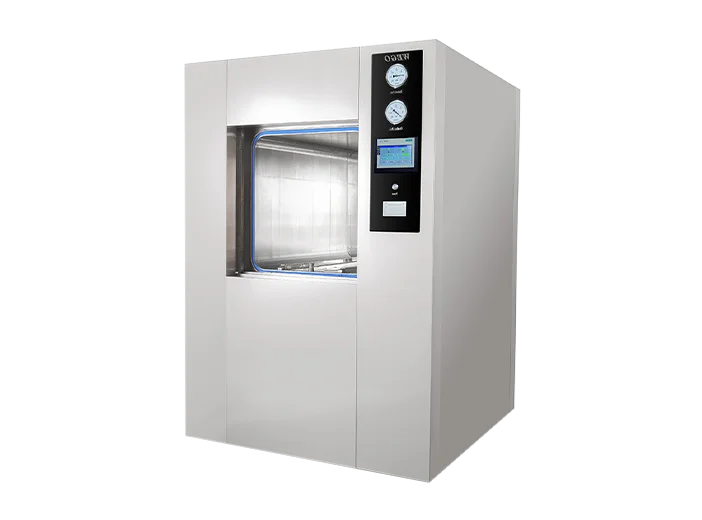
The consequences of compromised sterility in a lab can be severe, leading to failed experiments, inaccurate data, and costly delays. A reliable autoclave achieves sterilization by utilizing saturated steam under pressure, which penetrates materials to eradicate microbial life. For laboratory applications, this means ensuring that glassware, surgical instruments, and aqueous solutions are free from contaminants. The consistent performance of a steam sterilizer machine is what allows researchers to trust that their results are a product of their experimental design and not external variables.
Selecting Cycles for Diverse Laboratory Materials
Laboratories handle a wide array of materials, each with unique sterilization requirements. Solid items like instruments and glassware typically require a gravity displacement cycle. However, porous loads such as animal bedding or cloth wraps, and hollow items like pipette tips, need the more advanced air-removal capabilities of a pre-vacuum cycle. Furthermore, the sterilization of liquids demands a specialized liquid cycle that gently brings the solution to temperature and cools it slowly to prevent boiling over. The ability of a steam sterilizer machine to offer these distinct, validated cycles is critical for a versatile laboratory workflow.
The Importance of Documentation and Process Validation
In a regulated laboratory environment, the ability to document and validate the sterilization process is as important as the process itself. Many modern units come equipped with data logging capabilities, providing a digital record of time, temperature, and pressure for each cycle. This feature is essential for audit trails and quality control protocols. Furthermore, regular use of chemical and biological indicators verifies that the autoclave is functioning correctly and achieving sterility. This documented proof is a cornerstone of Good Laboratory Practice (GLP) and other compliance frameworks.
The legitimacy and quality of laboratory results are directly impacted by the strategic decision of choosing a sterilizing system. An essential component of any research infrastructure is a unit that provides both dependable and verified outcomes. In order to meet the demands of laboratories, we at WEGO Medical design our steam sterilizer machines with features that facilitate thorough documentation, as well as consistent performance and cycle flexibility. We want to make sure that labs can rely on our equipment to maintain the high standards needed for revolutionary research.