






Installing a large steam sterilizer in a medical or laboratory environment requires careful planning and attention to technical details. At WEGO Medical, we understand that ensuring proper installation is critical not only for safety but also for the performance and longevity of the equipment. Before starting the installation process, we focus on assessing the available space, drainage capabilities, and power requirements to provide a seamless setup for our clients.
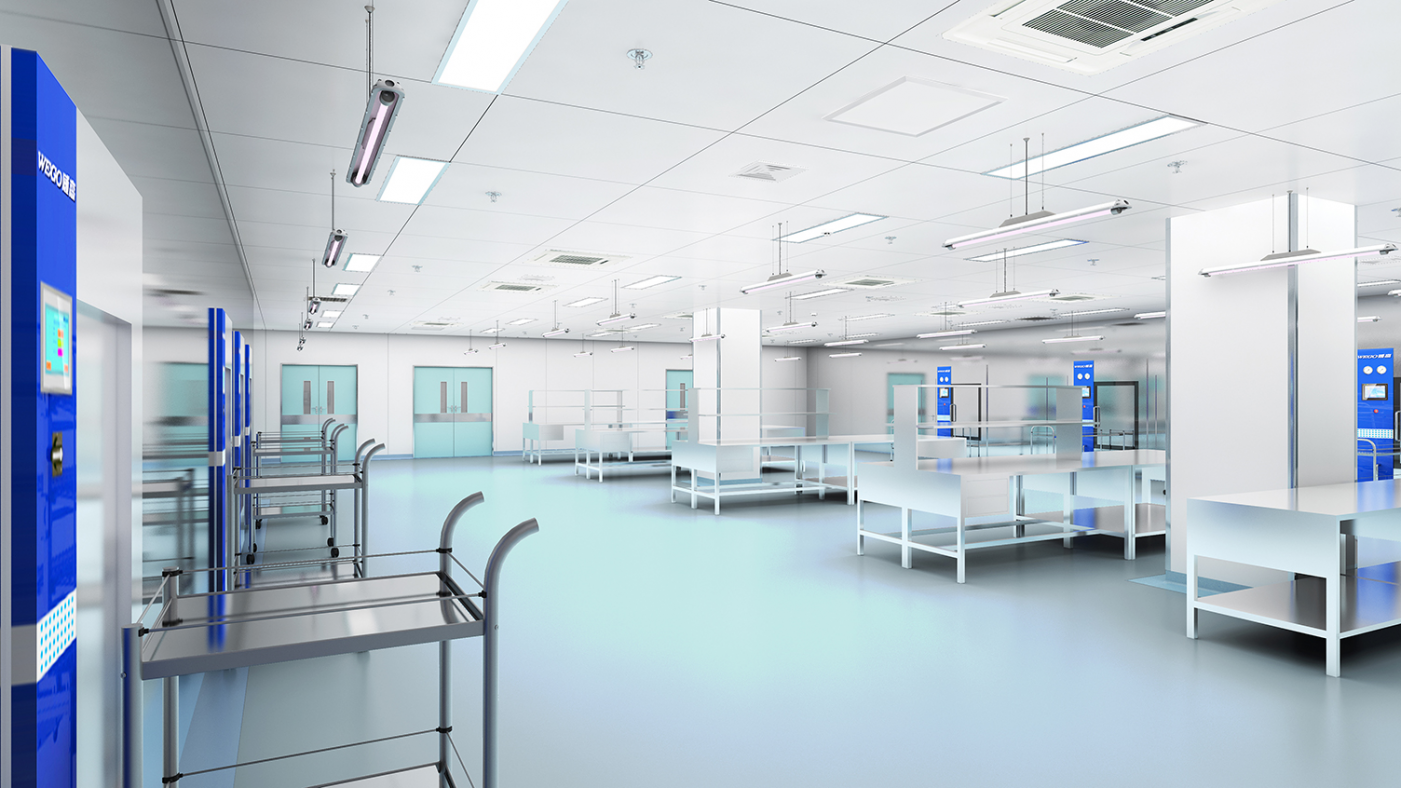
Space Planning for Efficient Operation
The first step in installing a large steam sterilizer is determining the appropriate location. Evaluating the dimensions of the sterilizer, including its chamber, jacket, and door, ensures there is enough clearance for safely loading and unloading items. It is also important to consider surrounding workspace requirements, such as the placement of control panels, user interfaces, and operator pathways. Planning sufficient space allows operators to access touch-screen displays easily, program custom sterilization cycles without obstruction, and perform daily operations efficiently. A well-organized area also facilitates maintenance tasks, reduces the risk of accidental damage to the stainless steel structure, pipelines, or chamber components, and supports long-term operational reliability.
Drainage and Moisture Management
Proper drainage and moisture management are essential for the safe and efficient operation of large steam sterilizers. These systems produce significant amounts of condensate, and connecting the sterilizer to a dedicated drainage system capable of handling its output prevents water accumulation and maintains a sterile environment. Adequate drainage also reduces corrosion risks and supports hygiene standards around the machine. When planning installation, attention should be given to the slope of the floor, outlet positioning, and the capacity to manage varying moisture levels produced by different load types during sterilization cycles. Following these practices ensures smooth operation and prolongs the life of the equipment, while minimizing the likelihood of leaks or downtime.
Electrical and Power Considerations
Ensuring reliable electrical supply is crucial for the operation of large steam sterilizers. Reviewing the facility’s electrical specifications confirms that voltage and current can consistently meet the requirements of the equipment. Stable power is necessary for sophisticated components such as touch-screen interfaces, remote monitoring systems, and heating elements to maintain precise temperature control, typically between 105°C and 138°C. Before installation, circuit protection, proper grounding, and wiring integrity should be verified to prevent interruptions and safeguard operational reliability. Following these electrical precautions ensures that sterilization cycles run efficiently, minimizes the risk of malfunctions, and supports safe and consistent sterilization performance.
Conclusion
Proper installation of a large steam sterilizer goes beyond simply positioning the unit. At WEGO Medical, we consider space planning, drainage efficiency, and power requirements as fundamental steps to support safe, efficient, and long-lasting operation. By carefully preparing these elements, we ensure that our clients can operate the sterilizer effectively, whether they are managing routine sterilization tasks or handling specialized load types with customized programs. Thoughtful planning and professional installation allow the system to deliver consistent performance while protecting both equipment and staff.