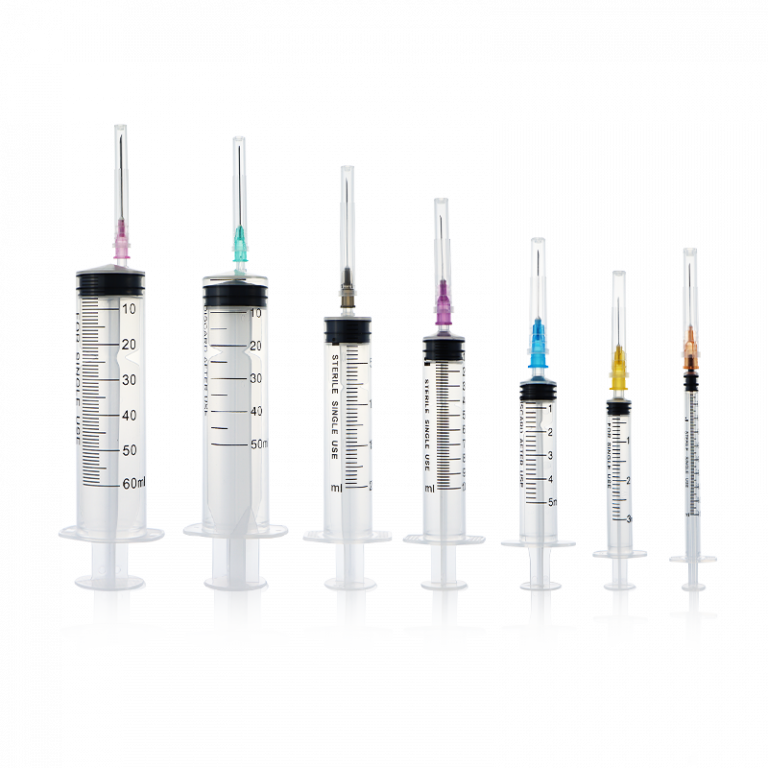







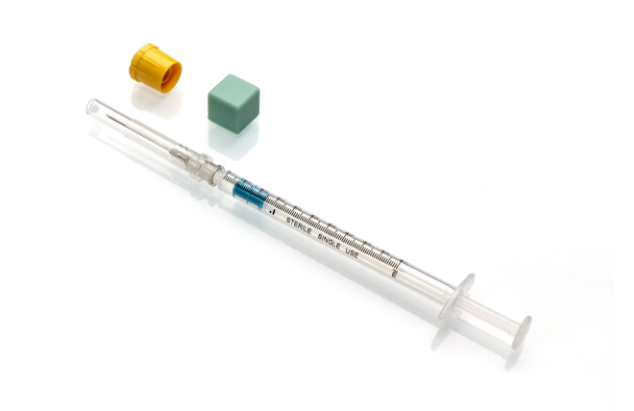
In critical care settings, timely and precise blood gas measurement is essential for patient management. At WEGO Medical, we recognize the importance of using a reliable abg syringe to collect arterial blood samples, as accurate sampling directly affects diagnostic outcomes. The role of heparin in these syringes is crucial, as it prevents clot formation, ensuring that the blood sample reflects the patient’s true physiological state. By carefully selecting and handling abg syringe products, we aim to maintain sample integrity and support clinicians in delivering effective treatment.
Understanding Heparin’s Role in Blood Collection
Heparin is an anticoagulant commonly used in ABG syringe devices to maintain blood fluidity and prevent clot formation. When arterial blood is drawn, the presence of heparin is essential for avoiding clotting within the syringe, which ensures accurate measurement of oxygen, carbon dioxide, and pH levels. Improper heparinization can lead to partial clotting, resulting in altered test results and potential misinterpretation in clinical decisions. Therefore, careful consideration of heparin concentration and uniform coating on the syringe is critical to preserve sample integrity and maintain the reliability of blood gas analysis throughout handling and transport.
Best Practices for Sample Handling
Once blood is collected in a heparin-coated ABG syringe, proper handling is equally important to preserve its diagnostic value. Minimizing the time between collection and laboratory analysis is recommended, as prolonged exposure can alter gas concentrations. Gentle mixing immediately after collection helps prevent microclots and ensures even distribution of the anticoagulant. Monitoring sample storage conditions, avoiding temperature extremes, and following standardized transport protocols further contribute to maintaining the quality of the specimen. Adhering to these best practices allows clinicians to rely on the accuracy and reproducibility of arterial blood gas results.
Supporting Critical Diagnoses
Arterial blood gas analysis is a vital tool for assessing conditions such as hypoxemia, acidosis, and other serious metabolic disturbances. Using a properly heparinized ABG syringe ensures that healthcare professionals can obtain reliable data to inform decisions regarding ventilation, oxygen therapy, and medication adjustments. Consistently preventing clot formation while maintaining sample stability is key to supporting timely and accurate clinical interventions.
Conclusion
In conclusion, heparinized abg syringe devices play a central role in critical care diagnostics. They safeguard the integrity of blood samples and provide clinicians with the precise information necessary to assess and manage serious patient conditions. At WEGO Medical, we are dedicated to supplying high-quality abg syringe solutions that integrate safe anticoagulation with reliable performance, supporting the essential work of medical teams worldwide.