






Spinal surgery presents a unique set of challenges that demand a combination of detailed planning and adaptable execution. Success often hinges on a surgeon’s accumulated experience and the subtle refinements applied to their technique. While major protocols are well-established, several practical considerations can influence the efficiency and outcome of a procedure. These insights apply across various approaches, whether deploying a complex spinal fixation system or performing a routine decompression. We have gathered several points that focus on optimizing workflow and enhancing procedural accuracy, aiming to support the consistent delivery of high-quality patient care.
The Undeniable Value of Meticulous Preoperative Review
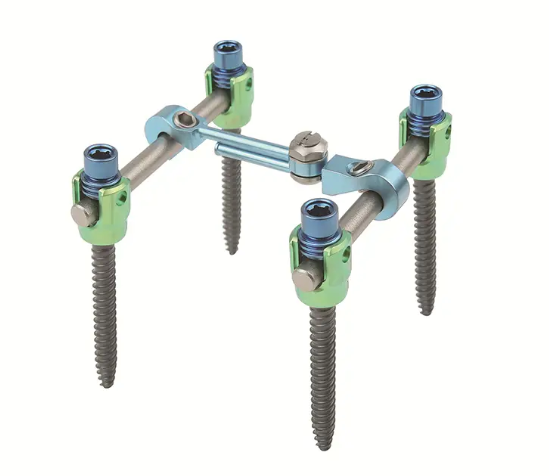
A thorough preoperative plan remains the most effective tool for avoiding intraoperative surprises. This extends beyond reviewing imaging to include a tactile and visual rehearsal of the procedure. Physically handling the intended spinal fixation system components—the screws, rods, and instruments—before the case can build valuable muscle memory. Confirming the availability of specific implant sizes and specialized equipment, such as alternative screw diameters or reduction tools, ensures the surgical team is prepared for anatomical variations. This level of preparation streamlines decision-making when the procedure is underway and reinforces confidence in the chosen approach.
Optimizing Workflow for Efficiency and Team Coordination
The organization of the operating room and the sequencing of tasks can significantly impact the flow of a case. Positioning the patient to facilitate unimpeded C-arm rotation for both AP and lateral views prevents time-consuming adjustments later. A “time-out” that includes a specific discussion about the plan for intraoperative neuromonitoring changes prepares the entire team for coordinated action. Having a dedicated, sterile table for the spinal fixation system components, organized in the order of use, allows the scrub technician to anticipate needs. These logistical steps, while seemingly simple, contribute to a focused and efficient surgical environment.
Technical Nuances for Implant Placement and Stability
During the critical phase of implanting a spinal fixation system, several technical points can enhance precision. When preparing pedicle tracts, using a high-speed burr to create a small cortical breach at the entry point can prevent the awl from skidding. Tapping, even in seemingly soft bone, can improve the feel during screw insertion and may provide more consistent torque readings. Before final rod placement, lightly cleaning the screw tulips with an instrument can ensure the set screw will seat properly without cross-threading. These minor adjustments in technique are aimed at achieving a more predictable and robust construct with the spinal fixation system.
Adopting a mindset of continuous refinement is what separates a good surgical outcome from a great one. The cumulative effect of small, practical improvements in planning, workflow, and technical execution can elevate the entire standard of care. At WEGO Medical, we support this pursuit by designing our spinal fixation system with the surgeon’s workflow in mind. Our focus is on providing instruments and implants that offer reliability and intuitive handling, giving surgical teams one less variable to consider as they apply their skill and expertise in the operating room.