






Accurate blood gas measurement plays a critical role in guiding patient care. At WEGO Medical, we are committed to developing abg syringe solutions that deliver both reliability and patient comfort. Choosing between heparinized and dry balanced syringes involves understanding their design differences and how these differences affect sample quality, patient experience, and laboratory outcomes.
Enhancing Patient Comfort During Collection
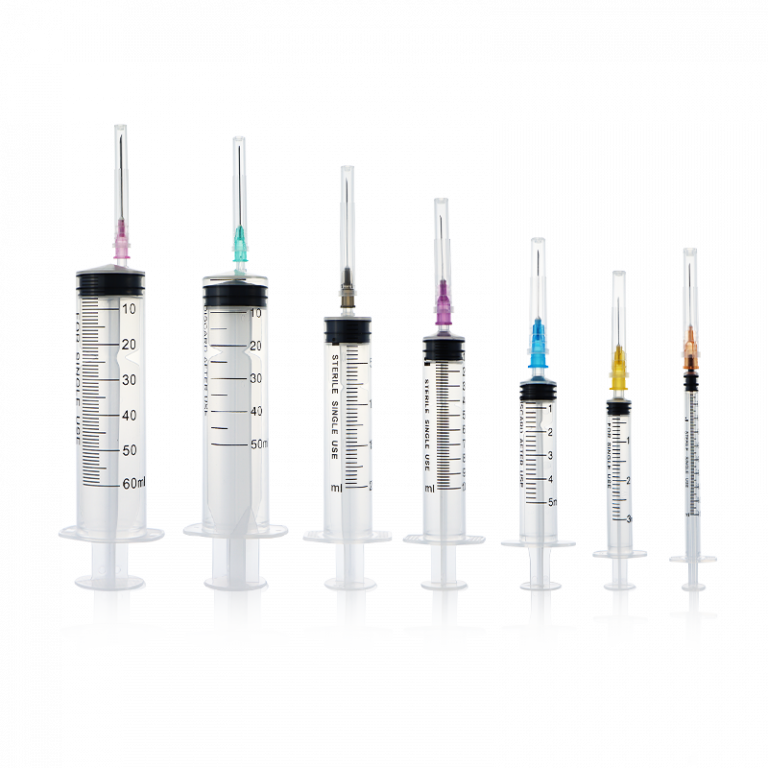
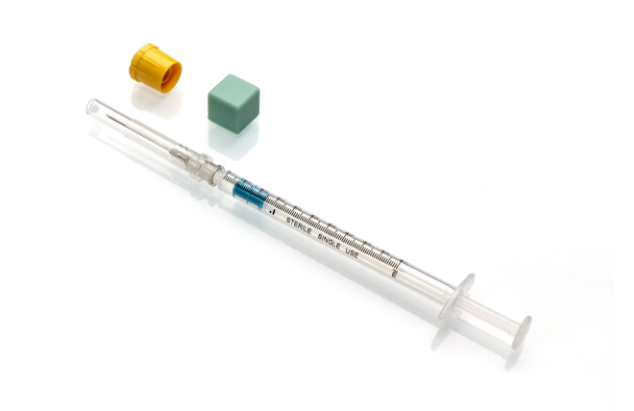
Arterial blood collection can be uncomfortable for patients, and minimizing discomfort is an important consideration in clinical practice. Syringes engineered with a precisely sharpened needle tip and specialized lubrication allow smoother insertion, reducing pain during the procedure. A transparent needle hub provides immediate visualization of blood flashback, helping clinicians confirm proper vessel access on the first attempt and minimizing repeated punctures. Additionally, incorporating a secure butyl rubber seal ensures that the needle remains safely covered after use, which reduces the risk of accidental injuries for healthcare providers.
Preserving Sample Integrity with Advanced Design
Maintaining the chemical and physiological integrity of arterial blood samples is vital for accurate testing and reliable results. In heparinized syringe models, a calcium-balanced lithium heparin coating is uniformly applied along the inner walls, preventing clot formation while avoiding interference with critical blood gas parameters such as pH, oxygen, and carbon dioxide levels. Dry balanced syringes, on the other hand, are designed to maintain the blood’s natural composition without anticoagulants, which is important for sensitive analyses or when immediate processing is required. Both syringe types incorporate a double-layer conical sealing cap that creates a hermetic seal, protecting the sample from contamination and preserving its reliability throughout transport and handling. These design features are essential for ensuring that laboratory results accurately reflect patient physiology.
Choosing the Right Syringe for Clinical Workflows
Selecting the optimal syringe depends on the clinical context and laboratory requirements. Heparinized syringes are widely used for routine blood gas testing in which anticoagulation is necessary, while dry balanced syringes are preferred when minimal chemical interference is desired or when testing involves specialized assays. Providing both options allows healthcare providers to adapt to different scenarios without compromising accuracy. Understanding the differences between syringe types enables clinicians to make informed decisions, focusing on patient care and diagnostic interpretation rather than worrying about potential sampling errors. This practical approach ensures that blood collection aligns with both clinical needs and laboratory protocols.
Comprehensive Benefits of WEGO Medical ABG Syringes
At WEGO Medical, our goal is to offer abg syringe solutions that integrate safety, precision, and consistency. Understanding the distinctions between heparinized and dry balanced syringes helps clinicians select the right tool for their practice, ensuring accurate results, patient comfort, and efficient workflow. Through careful attention to needle design, anticoagulant application, and sealing mechanisms, we provide a solution that addresses both clinical and operational needs. By choosing our syringes, healthcare professionals can rely on dependable performance that supports high-quality patient care.