






Getting to the heart of the matter, the question of whether an autoclave machine sterilizes or disinfects is fundamental in healthcare settings. While the terms are often used loosely in everyday language, they represent vastly different levels of microbial elimination. For medical and laboratory professionals, understanding this distinction is not just academic—it’s a critical component of patient and staff safety. The process an autoclave machine uses is specifically designed to achieve one of these outcomes definitively. This article will clarify the key differences and explain the precise function of this essential piece of equipment, ensuring your facility’s protocols are built on a foundation of accuracy.
Defining the Critical Difference in Microbial Control
The core difference lies in the comprehensiveness of the process. Disinfection is a procedure that eliminates many or all pathogenic microorganisms on inanimate objects, with the notable exception of bacterial spores. Disinfectants work to reduce the microbial load to a level that is safe for public health. Sterilization, however, is an absolute term. It describes a validated process used to render a product free from all viable microorganisms, including the most resistant forms like bacterial spores. Using an autoclave machine for disinfection would be a significant underutilization of its capabilities, as its design targets a much higher standard of cleanliness.
The Steam-Based Science of Absolute Sterilization
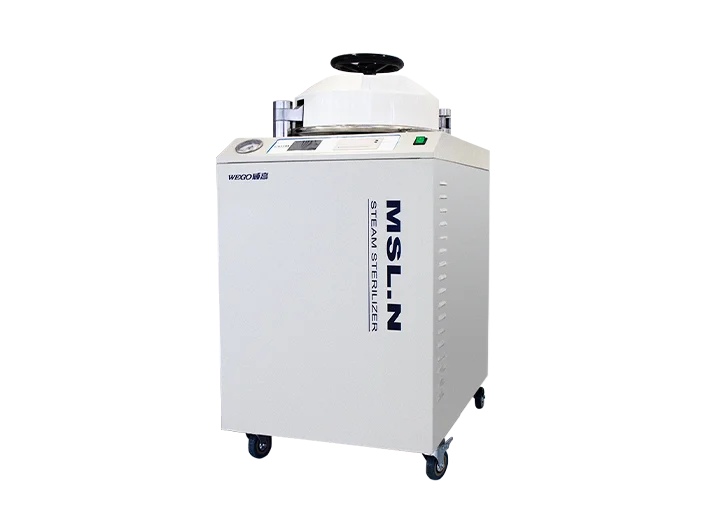
An autoclave machine operates on the principle of using steam under pressure. The combination of high-pressure saturated steam creates an environment where the temperature can exceed the boiling point of water, typically reaching 121°C (250°F) or 134°C (273°F). At these temperatures, and with sufficient exposure time, the steam is able to coagulate and denature the proteins and enzymes that constitute microbial life. This action is lethal to all microorganisms, including viruses, bacteria, fungi, and crucially, the highly resistant endospores produced by bacteria like Geobacillus stearothermophilus, which is often used as a biological indicator to validate the sterilization process. This method is why an autoclave machine is the gold standard for surgical instruments and other critical items.
Why the Autoclave Machine is the Right Tool for the Task
Selecting the correct level of decontamination depends entirely on the intended use of the medical device. The Spaulding Classification system provides a clear framework. Critical items, which enter sterile tissue or the vascular system (e.g., surgical scalpels, implants), must be sterile. Semi-critical items that contact mucous membranes (e.g., endoscopes) require at least high-level disinfection, but sterilization is often preferred. For non-critical items like blood pressure cuffs, low-level disinfection is sufficient. The autoclave machine is explicitly engineered for situations where sterilization is non-negotiable, ensuring that the highest risk items pose no threat of infection.
Applying This Knowledge to Facility Protocols
Recognizing that an autoclave machine is a sterilizing agent shapes effective operational protocols. It underscores the necessity of proper loading techniques to ensure steam penetration, the importance of using chemical and biological indicators to verify efficacy, and the need for regular preventative maintenance. This understanding prevents the critical error of assuming a disinfection process has occurred when, in fact, a sterilization cycle has been completed. It also informs staff training, emphasizing the gravity of the process and the importance of adhering to every step in the cycle for consistent, reliable results.
Grasping the absolute nature of sterilization provided by an autoclave machine allows facilities to manage infection control with confidence. At WEGO Medical, we support this critical work by providing robust and reliable autoclave machines that meet the rigorous demands of modern healthcare. Our focus is on delivering equipment that healthcare professionals can depend on to achieve true sterilization, forming a trustworthy component of their essential safety protocols.