






Clinicians turn to extracorporeal membrane oxygenation as a supportive intervention for patients experiencing severe, life-threatening cardiac or respiratory failure. When conventional management strategies like mechanical ventilation or medication prove insufficient, this technology offers a more advanced form of life support. The procedure involves diverting a patient’s blood through an external circuit that incorporates a gas exchange device. The primary goals of extracorporeal membrane oxygenation are not to cure the underlying disease but to sustain vital organ function, creating a crucial window of time for recovery or definitive treatment. This approach centers on providing temporary cardiopulmonary support under extreme physiological circumstances.
Providing Essential Gas Exchange and Oxygen Delivery
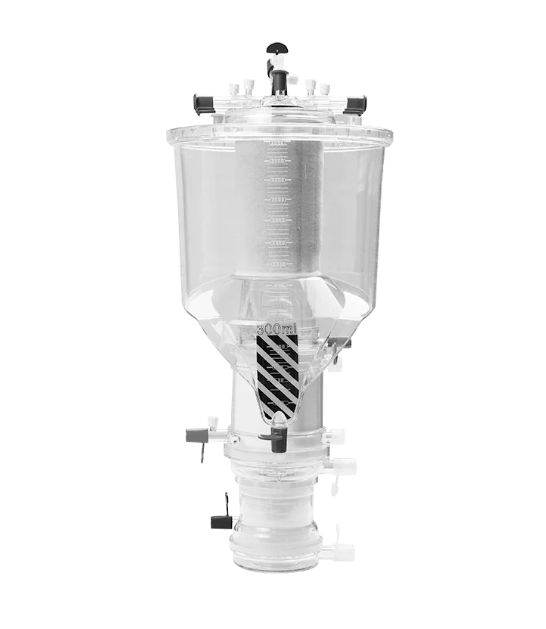
A fundamental objective of extracorporeal membrane oxygenation is to assume the work of the lungs, and sometimes the heart, to maintain adequate gas exchange. The membrane oxygenator within the circuit directly removes carbon dioxide from the blood and adds oxygen, a process called membrane oxygenation. This ensures that oxygenated blood continues to circulate to tissues and organs, preventing the hypoxic damage that would otherwise occur. By performing this function, the system can allow a patient’s own lungs to rest, reducing the potential for further injury from high-pressure mechanical ventilation. This supportive role in gas exchange is a primary goal of the therapy.
Facilitating Cardiac and Pulmonary Recovery
Beyond immediate gas exchange, a central aim of extracorporeal membrane oxygenation is to create favorable conditions for the heart and lungs to heal. In cases of profound cardiogenic shock, the circuit can partially or fully take over the pumping function of the heart, drastically reducing its workload and myocardial oxygen consumption. For the lungs, by providing reliable membrane oxygenation externally, the settings on a mechanical ventilator can be lowered to less injurious levels. This period of minimized strain allows the underlying pathology, such as pneumonia or acute respiratory distress syndrome (ARDS), to be addressed while the organs are in a protected state.
Serving as a Bridge to Further Intervention
The stability afforded by extracorporeal membrane oxygenation often serves a strategic purpose as a bridge. This critical timeframe can be used to diagnose the primary condition, administer specific therapies, or wait for an organ transplant to become available. It can act as a bridge to recovery, where the body’s own organs regain function. It can also be a bridge to decision, allowing the care team more time to assess a patient’s neurological status and long-term prognosis. In some cases, it functions as a bridge to a more permanent solution, such as a ventricular assist device or lung transplantation. The support provided by the membrane oxygenation process is what makes these transitional phases possible.
The implementation of extracorporeal membrane oxygenation represents a commitment to sustaining life while awaiting a turning point in a critical illness. Its goals are fundamentally supportive, focusing on gas exchange, organ rest, and the creation of therapeutic opportunities. At WEGO Medical, we recognize the immense responsibility borne by the technology in this field. Our dedication to innovation and quality assurance in medical devices aligns with the critical demands of therapies that rely on precise and reliable membrane oxygenation, supporting healthcare providers in their mission to deliver advanced life support.