






A dependable sterilization process forms the foundation of infection control in any dental practice. The instruments used in procedures, from examinations to surgical interventions, require a level of cleanliness that only validated steam sterilization can provide. A modern dental autoclave sterilizer does more than just meet compliance standards; it instills confidence in every patient interaction and protects the clinical team. The specific challenges of dental instrument processing, which often includes complex, lumen-bearing tools, demand a unit designed for more than basic performance.
Addressing the Complex Needs of Dental Instrumentation
Dental tools present unique sterilization hurdles. Items like handpieces have internal mechanisms that can harbor bioburden, while surgical kits for implants are both valuable and sensitive. A standard steam sterilizer machine may not effectively remove air from these narrow chambers, preventing steam from reaching all surfaces. This is where the classification of the sterilizer becomes critical. Technology that actively removes air from the chamber and load, such as the pre-vacuum cycles found in Class B autoclaves, is engineered for this exact purpose. This ensures that even the most intricate instruments receive complete and uniform sterilization.
The Operational Advantages of Advanced Sterilization Systems
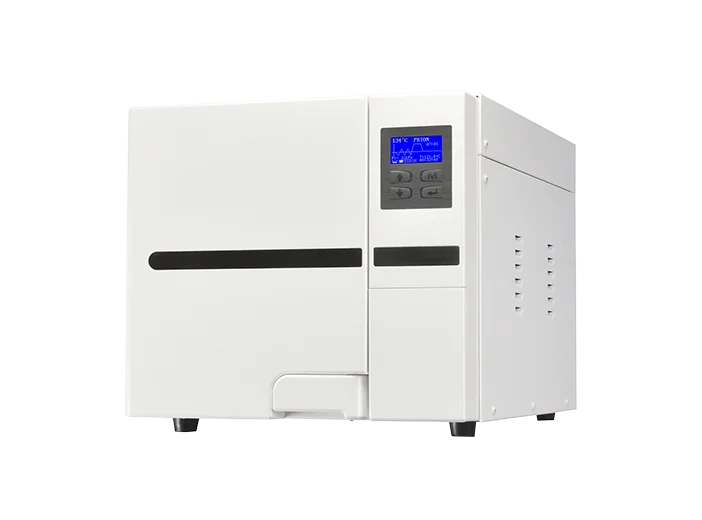
For a busy dental clinic, efficiency and reliability are non-negotiable. A well-designed dental autoclave sterilizer integrates seamlessly into a fast-paced workflow. Features like automatic cycle selection, rapid heating times, and built-in drying phases minimize downtime between patients. The physical footprint is also a key consideration; a compact, table top unit that delivers a high level of performance maximizes valuable space within the treatment room or sterilization area. These operational benefits translate directly into improved clinic throughput without compromising on the critical standard of care.
Integrating Safety and Compliance into Daily Practice
Beyond efficacy, the daily operation of a steam sterilizer machine must be inherently safe and verifiable. Built-in safety mechanisms, such as automatic door locks and pressure sensors, protect the operator during use. Furthermore, compliance with rigorous international standards, like EN13060 for Class B autoclaves, provides a clear benchmark for performance. This standard confirms the unit’s capability to sterilize porous loads and hollow instruments, which is a fundamental requirement for any practice offering advanced procedures, including the sterilization of dental implant instrument kits.
Selecting the right sterilizer is a direct investment in the safety and reputation of a dental practice. The technology embedded in a modern Class B autoclave provides the assurance that infection control protocols are being met effectively. At WEGO Medical, our MST.B series table-top steam sterilizer machine is developed with these specific dental requirements in mind. It incorporates the advanced B-class technology, automatic cycles, and built-in safety features that clinics need to operate with efficiency and confidence, supporting them in delivering the highest standard of patient care.