






A common assumption is that the medical autoclave represents an infallible line of defense against all microbial life. While it is true that this equipment is designed to achieve sterilization, questions about its absolute efficacy are valid from a scientific standpoint. The integrity of the process relies on specific physical parameters. So, which bacteria is not killed by autoclave? The direct answer is that under ideal and validated conditions, no viable bacteria should survive a proper cycle. However, understanding the potential for failure reveals which organisms are the most stringent tests of a medical autoclave’s performance. We will examine the bacteria most resistant to heat and the scenarios where they might persist, highlighting the importance of rigorous process validation.
The Principle of Thermal Death and Most Resistant Organisms
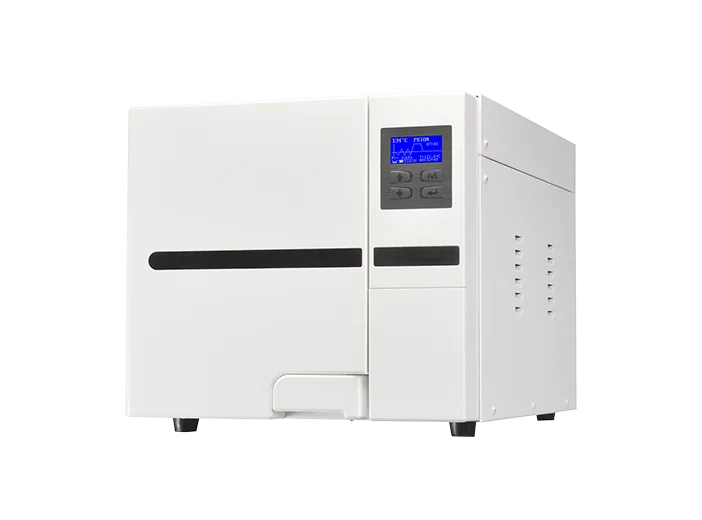
Sterilization in a medical autoclave depends on the application of saturated steam under pressure, which achieves high temperatures that denature proteins and destroy cellular structures. The effectiveness is measured by the ability to inactivate highly heat-resistant bacterial spores. Specifically, spores from Geobacillus stearothermophilus are the primary biological indicators used for validation. These spores are not merely survivors; they are the benchmark precisely because they are the most difficult to kill under steam sterilization conditions. If a cycle is effective against these spores, it is statistically certain to have eliminated all less-resistant vegetative bacteria, viruses, and fungi. Therefore, no known vegetative bacteria can survive a correctly functioning medical autoclave.
Scenarios That Mimic Bacterial Survival in a Medical Autoclave
When discussions arise about bacteria surviving autoclaving, the root cause is almost never a bacterium with supernatural heat resistance. Instead, the appearance of survival points to a process failure. Several operational issues can create an environment where bacteria, including spores, are not eradicated. These include air pockets trapped within a load that prevent steam penetration, overloading the chamber, using cycles with insufficient temperature or time, or even packaging materials that are impermeable to steam. In these situations, the problem is not that a medical autoclave failed to kill a specific bacterium, but that the conditions for sterilization were not met, providing a pocket where microbes can persist.
The Critical Role of Monitoring and Biological Indicators
Given that process failures are the real risk, relying solely on physical monitors like time, temperature, and pressure is insufficient. This is where biological indicators become non-negotiable. By periodically running cycles with vials or strips containing Geobacillus stearothermophilus spores and then incubating them to check for growth, facilities can obtain a direct, functional assessment of their medical autoclave’s efficacy. A positive result does not mean the spores are invincible; it confirms a critical failure in the sterilization process that must be immediately investigated and rectified. This proactive verification is the only way to ensure the theoretical reliability of the medical autoclave translates into practical, real-world sterility.
The pursuit of absolute sterility requires a mindset that anticipates and checks for potential failures. The question shifts from “Which bacteria is not killed by autoclave?” to “Is our process verifiably eliminating the most resistant indicators?” At WEGO Medical, we engineer our medical autoclaves with this principle in mind, incorporating features that promote consistent steam penetration and cycle reliability. Our goal is to provide the tools that allow your quality assurance protocols to function with precision, ensuring that every cycle concludes with confidence.