






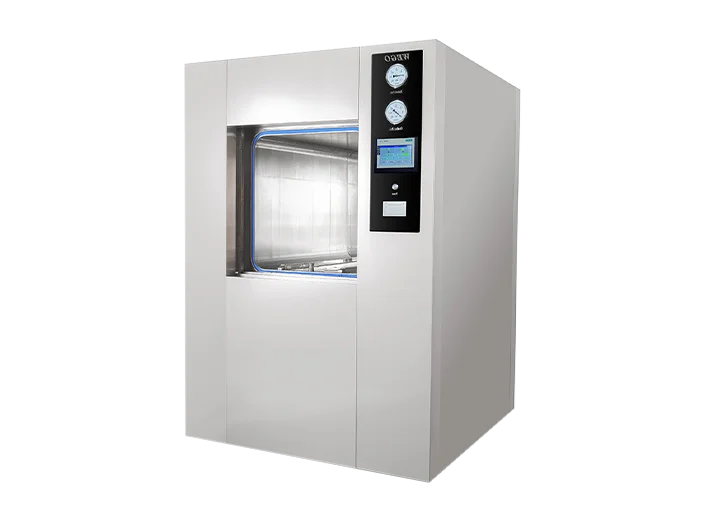
Properly maintaining an autoclave machine is not just a recommendation; it’s a critical responsibility for any laboratory or medical facility. The consistent performance of this equipment ensures sterility, safeguards research integrity, and protects patient safety. A well-maintained unit prevents unexpected breakdowns, extends the device’s operational life, and represents a sound financial investment. We’ve compiled a clear, actionable framework to help you manage the upkeep of your autoclave machine, keeping it running at its best.
Establishing a Consistent Daily Routine
A reliable maintenance protocol begins with simple, daily checks that take only moments to complete. Before starting any cycle, visually inspect the autoclave chamber for any residual debris from previous loads. Ensure the door gasket is clean, pliable, and free from any visible cracks or distortions that could compromise the seal. It’s also prudent to use purified or distilled water to minimize mineral deposit buildup, which can adversely affect the system over time. Finally, a quick check of the water reservoir level and a wipe-down of the exterior with a non-abrasive cleaner will help maintain both function and appearance. These small habits form the first line of defense against major issues.
Executing Essential Weekly and Monthly Tasks
While daily attention focuses on surfaces and seals, a more thorough inspection on a weekly or monthly basis is necessary. One of the most crucial weekly tasks is running a chamber clean cycle with a specialized solution to dissolve any accumulated scale or biological residues. Monthly checks should include verifying the proper function of safety valves and inspecting water lines for leaks or kinks. For autoclave machines that use a steam generator, descaling becomes a vital monthly procedure to prevent clogging and ensure efficient heat transfer. Documenting these activities in a maintenance log creates a valuable history for tracking the unit’s performance and scheduling future services.
Planning for Long-Term Operational Integrity
Beyond the routine, your autoclave machine requires periodic professional attention. This involves annual or semi-annual service by a qualified technician who can conduct internal inspections and calibrate critical components. They will test and replace the door gasket if needed, a component essential for maintaining pressure and safety. The technician will also calibrate temperature and pressure sensors to ensure cycle parameters are always met. Proactively replacing other consumable parts, like filters, according to the manufacturer’s schedule prevents gradual performance decline. This proactive approach to servicing is far more cost-effective than managing emergency repairs after a failure.
Adhering to a structured maintenance schedule is the most effective method for preserving your equipment’s reliability. A well-cared-for autoclave machine delivers consistent sterility assurance and reduces long-term operational costs. At WEGO Medical, we support these efforts by providing access to genuine replacement parts and connecting our clients with a network of certified service technicians. Our goal is to be a resource, helping you maintain the critical equipment that your work depends on.