






The orchestration of an orthopedic procedure relies on a sophisticated array of specialized instruments, each serving a distinct and critical purpose. This toolkit is far more than a simple collection of metal; it is an extension of the surgeon’s skill, enabling precise bone work, secure implant placement, and ultimately, successful patient outcomes. The instruments can be categorized by their function, from initial exposure to the final fixation of an implant like a spinal fixation system. Recognizing the role of each tool provides a deeper appreciation for the procedural workflow and the engineering that supports modern orthopedic care.
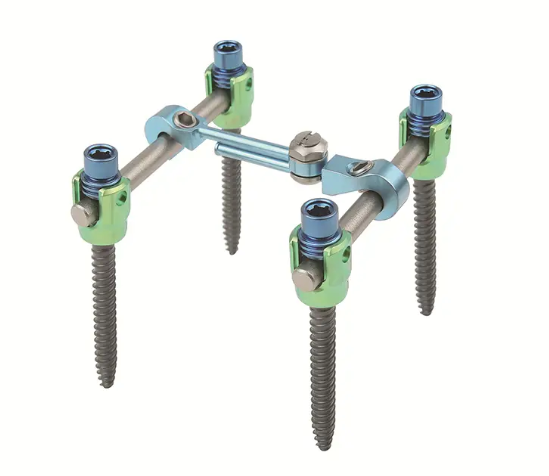
Essential Instrumentation for Exposure and Preparation
The initial phase of any procedure involves gaining access and preparing the surgical site. This begins with a foundational set of tools including retractors to hold tissue aside, electrocautery for hemostasis, and a variety of periosteal elevators to cleanly dissect soft tissue from bone. Once the bone is exposed, osteotones and bone cutters are used for precise sculpting and resection. Rasps help shape and prepare bony surfaces, while curettes are indispensable for meticulously removing debris or pathologic tissue from confined spaces. This group of instruments creates the clean, controlled environment necessary for the subsequent steps of implantation.
The Role of Power Tools and Drilling Systems
For procedures involving internal fixation, powered instruments bring efficiency and accuracy to tasks requiring significant force or repetition. Pneumatic or electric drills, paired with a range of drill bits and guides, allow for the creation of precise pilot holes for screw placement. Taps are then used to cut threads into the cortical bone, ensuring secure screw purchase. This process is fundamental when applying bone plates or when preparing the pedicle for screws in a spinal fixation system. Drivers, both powered and manual, are then employed to insert screws to a specific torque, guaranteeing the implant is seated correctly without compromising the bone.
Specialized Sets for Specific Implant Systems
The most advanced category of tools is often the system-specific instrumentation tailored to a particular implant. These are not general-purpose tools but are engineered to work in perfect harmony with the corresponding plates, screws, and devices. For instance, a modern spinal fixation system will come with its own dedicated array of screwdrivers, rod persuaders, and reduction instruments. These tools are meticulously designed to handle the components safely, apply corrective forces in a controlled manner, and lock the construct together without cross-threading or damaging the implants. Their precision is a direct contributor to the procedural efficiency and the long-term stability of the construct.
The functionality of orthopedic tools, from a basic rongeur to a complex rod reduction instrument, is a testament to the marriage of mechanical engineering and surgical need. The right tool not only makes the procedure possible but also elevates its precision and safety. At WEGO Medical, we apply this principle to all our product development. Our focus on creating intuitive and robust instrumentation is clearly reflected in the specialized tool sets that accompany our spinal fixation system, designed to support surgeons in achieving consistent and reliable results.