






Blood gas analysis plays an essential role in monitoring patient health, especially in critical care settings. At our company, we understand the nuances of using different blood gas sampling techniques and the importance of selecting the appropriate method for each patient scenario. Both arterial and venous blood gas sampling have specific applications, and knowing when to use each is crucial for ensuring optimal patient outcomes.
Distinguishing Arterial and Venous Sampling
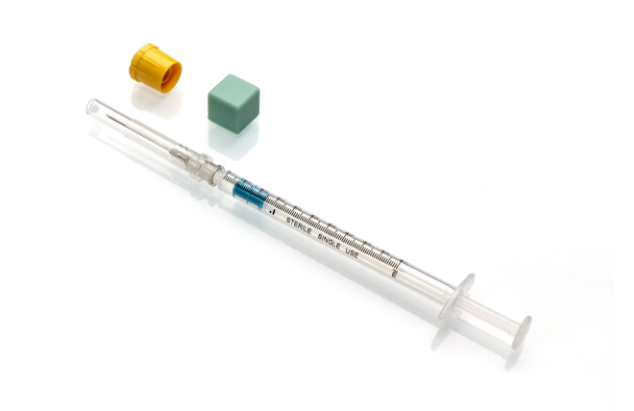
Arterial blood gas sampling provides a direct measurement of oxygenation, carbon dioxide levels, and pH, which is essential for assessing respiratory function and the efficiency of oxygen delivery. In contrast, venous blood gas offers insight primarily into metabolic changes and general acid-base balance, making it useful for routine monitoring or situations where arterial access is challenging. When performing arterial sampling, careful technique is required to avoid contamination and ensure the sample accurately reflects arterial blood composition. Clinicians must weigh the clinical context, patient condition, and intended diagnostic purpose before choosing between arterial and venous sampling, as each method provides distinct and complementary information relevant to patient care. Devices such as the ABG syringe from WEGO Medical can support accurate collection, but the emphasis remains on proper technique and understanding the physiological differences between arterial and venous samples.
Practical Considerations in Clinical Settings
Selecting the appropriate blood gas sampling method requires attention to patient safety, procedural ease, and diagnostic value. Factors such as hemodynamic stability, coagulation status, and risk of complications should guide decision-making. The design of collection devices, including precise volume markings and airtight construction, facilitates accurate sample collection while minimizing hemolysis or contamination. In emergency situations, efficient and reliable collection is critical for timely clinical decisions, particularly when assessing oxygenation or acid-base status. Strict adherence to sampling protocols, including proper handling, labeling, and transport, ensures reproducible and high-quality results that can be confidently interpreted by clinicians. Understanding these practical considerations is essential for optimizing patient outcomes, regardless of the specific device used.
Critical Role in Diagnosing Severe Conditions
Hypoxemia and acid-base imbalance are common and potentially life-threatening in critically ill patients. Because physical signs alone may be insufficient, blood gas analysis provides objective and essential information for diagnosis and ongoing management. Arterial samples remain the gold standard for detecting oxygenation deficits, hypercapnia, or metabolic disturbances, guiding ventilator settings and therapeutic interventions. Regular monitoring allows clinicians to track patient responses to therapy, adjust treatment plans, and anticipate complications.
Conclusion
At our company, we prioritize both accuracy and patient safety when performing blood gas analysis, and using a high-quality ABG syringe is central to this process. By understanding the differences between arterial and venous sampling, we ensure that each ABG syringe is used appropriately to collect reliable blood samples. Our team follows strict procedures when handling these syringes, allowing us to provide precise, timely, and informed interventions for our patients. Through careful use of the ABG syringe and adherence to best practices, we maintain confidence in our data and uphold the highest standards of clinical care.