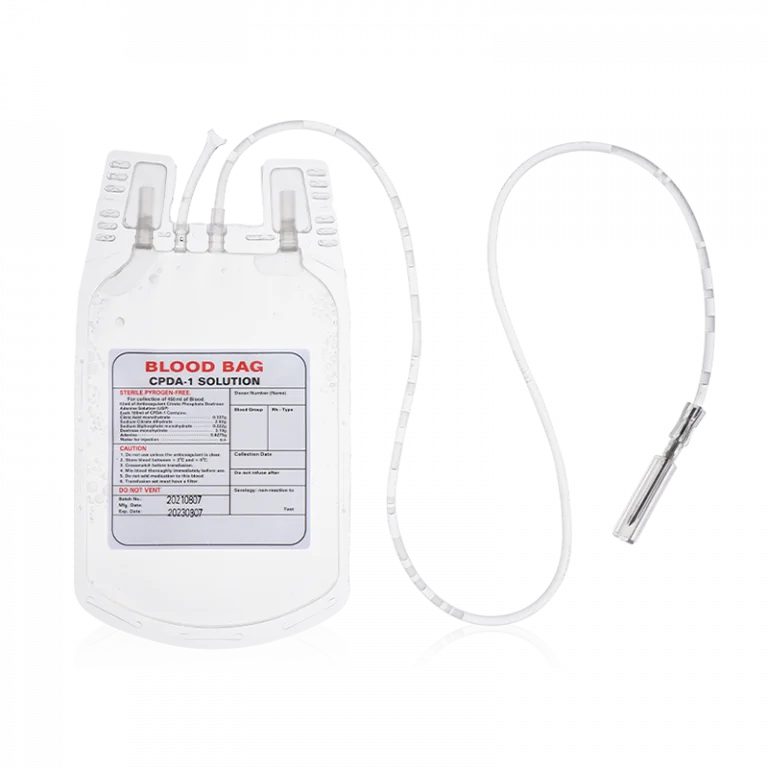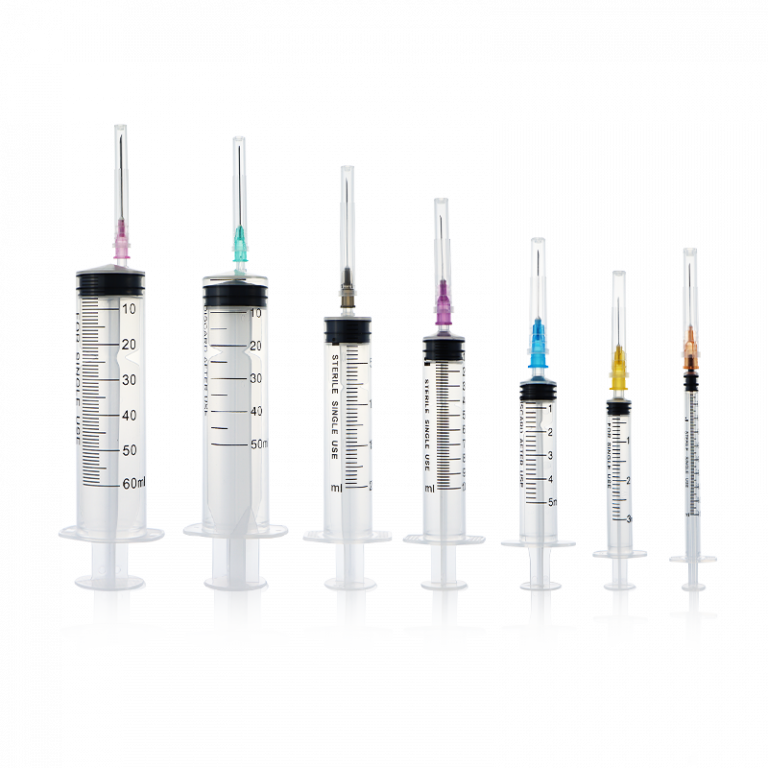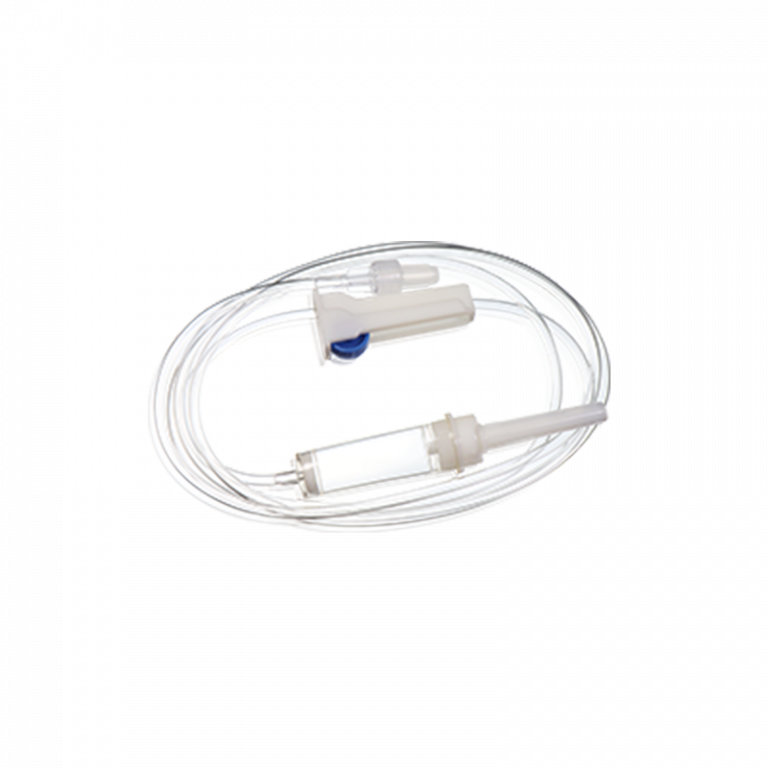







Single blood collection bags have become an essential component in blood banking and transfusion practices. At WEGO Medical, we focus on providing reliable and standardized single blood collection bag systems that support safe and efficient blood collection. These bags are specifically designed to hold whole blood with anticoagulant CPDA-1 solutions USP, ensuring the integrity of red blood cells for storage and later transfusion. By understanding the structure, function, and practical application of these bags, we aim to highlight their role in modern blood management.
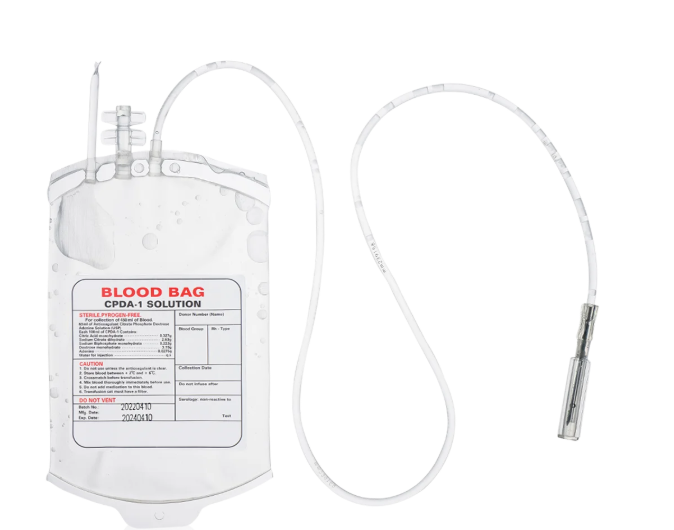
Structure of the Single Blood Collection Bag
The single blood collection bag system typically consists of three key components: the bag body, the collection needle, and the connecting tube. The primary bag contains the anticoagulant solution CPDA-1, also known as citrate-phosphate-dextrose-adenine, which preserves red blood cells for up to 35 days when stored at 2℃-6℃. The bag body is made from medical-grade materials that are flexible and resistant to leakage, ensuring safe containment of collected blood. The integrated tube connects the needle to the bag, providing a controlled flow during donation, and is designed to minimize contamination risks. Understanding these components helps healthcare professionals recognize how design features contribute to efficiency, reliability, and safety during blood collection, while careful handling of each part supports proper blood preservation and reduces procedural errors.
Function and Benefits
The single blood collection bag serves multiple critical functions in clinical practice. It ensures that collected blood mixes thoroughly with the anticoagulant to prevent clotting, maintaining the quality of red blood cells, which is vital for transfusion purposes. The design of the bag and needle allows controlled blood flow, reducing the risk of hemolysis during collection. Single blood collection bags are also convenient for storage and handling in blood banks; their compact, sterile design supports standardized procedures and proper inventory management. By understanding these functional benefits, healthcare providers can optimize collection protocols, improve the quality of stored blood, and ensure consistent performance across multiple donations, which ultimately enhances patient safety and operational efficiency in clinical settings.
Conclusion
Single blood collection bags offer a well-structured, functional, and practical solution for safe blood collection and storage. Their design ensures proper mixing with anticoagulant solutions, preserves red blood cell quality, and supports standardized blood bank procedures. Awareness of how each component and function contributes to overall performance helps hospitals and blood banks optimize their operations, minimize risks, and maintain high safety standards in blood collection. While we, at WEGO Medical, provide these systems, our focus remains on helping healthcare professionals understand the bags’ structure and benefits to maximize reliability and safety in transfusion practices.