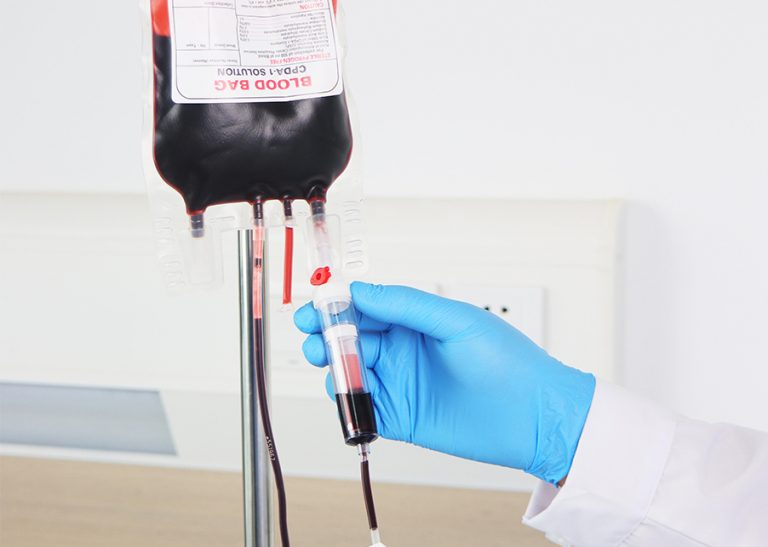







Blood storage relies on a precise biochemical environment to maintain viability and safety. The foundation of this environment is the anticoagulant-preservative solution contained within the collection system. We at WEGO Medical recognize that the chemistry within a CPDA-1 single blood bag is a carefully balanced formula, each component serving a distinct and critical purpose. This system is designed to support red blood cells from collection through storage.
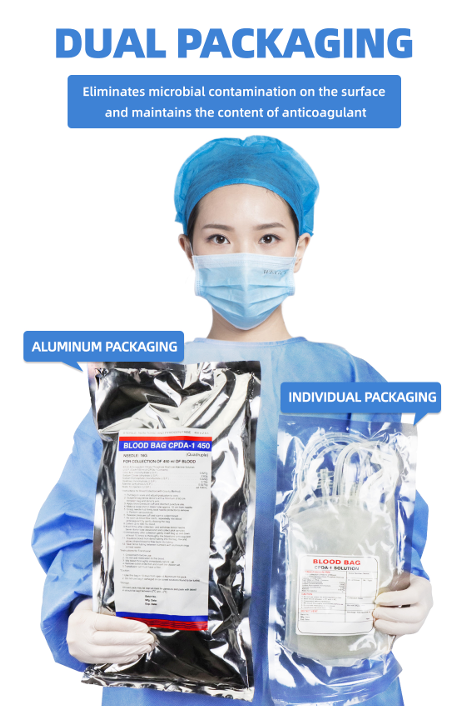
The CPDA-1 Anticoagulant Solution
The acronym CPDA-1 defines the core chemical agents present in the solution. Citrate is the primary anticoagulant; it works by chelating ionized calcium, which is an essential co-factor in the coagulation cascade, thereby preventing the blood from clotting during collection and storage. Phosphate acts as a buffer, helping to maintain a stable pH level as red blood cells metabolize. Dextrose serves as a substrate for cellular metabolism, providing the energy red blood cells need to maintain their integrity and function during the storage period. Adenine is the component that extends shelf life; it is utilized in the synthesis of ATP (adenosine triphosphate), the key energy currency of the cell. This combination within a CPDA-1 single blood bag is formulated to address multiple physiological requirements simultaneously.
The Integrated Single Blood Bag System
The effectiveness of the solution is dependent on its integration with the physical container. A CPDA-1 single blood bag is typically constructed from biocompatible, flexible plastic materials like PVC with specialized plasticizers. This material is designed to be inert, durable, and permeable to gases in a controlled manner. The bag is sterile and contains a predefined volume of the CPDA-1 solution. Its design often includes integrated tubing and ports that maintain a closed system during collection, reducing the risk of microbial contamination. The entire unit—the bag, the solution, and the tubing—functions as a cohesive storage environment. We at WEGO Medical understand that the consistency of this integrated system is as vital as the biochemical formula it contains.
Storage Duration and Hematological Support
The combined action of the CPDA-1 chemistry and the closed system determines the functional storage life. The presence of adenine is particularly significant for this parameter, as it supports the maintenance of red blood cell ATP levels over time. This directly influences post-transfusion recovery and viability of the stored cells. The closed environment of the CPDA-1 single blood bag minimizes external factors that could degrade the blood product. The entire process, from venipuncture to storage, is contained, safeguarding the product’s sterility and stability. This allows for the extended utility of each collected unit, supporting inventory management within blood banks.
In summary, the utility of a CPDA-1 single blood bag is a result of synergistic design. The solution provides targeted biochemical support, while the physical bag provides a secure, closed container. Each element of the CPDA-1 formula—citrate, phosphate, dextrose, and adenine—addresses a specific challenge in ex-vivo blood preservation. We at WEGO Medical view this as a clear example where material science and biochemistry are combined to create a reliable medical device. The system underscores the importance of precise, integrated design in supporting essential healthcare resources.