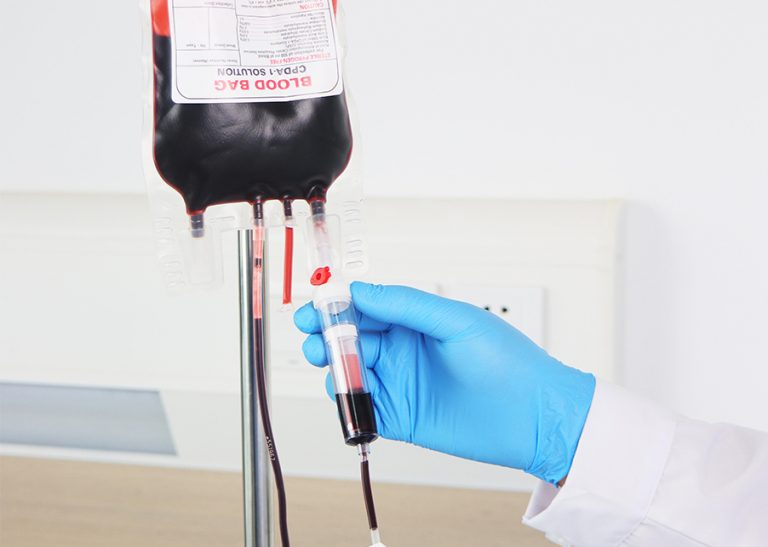







Effective blood preservation is a critical aspect of healthcare logistics, directly impacting the availability of vital resources for patient care. The functionality of a CPDA-1 single blood bag system is central to this process, specifically designed to maintain the viability of red blood cells after donation. At WEGO Medical, we engage with the science behind these systems, focusing on how the integrated CPDA-1 solution within a single-bag design supports extended storage. This article examines the mechanisms through which this combination achieves its preservation goal.
Primary Anticoagulant Action: Citrate
The initial and defining function within a CPDA-1 single blood bag is to prevent coagulation. This is accomplished primarily by citrate, a key component of the CPDA-1 solution. Citrate works by chelating ionized calcium in the collected blood, an element essential for the cascade of enzymatic reactions that lead to clot formation. By effectively removing free calcium ions, the anticoagulant creates an environment where blood can remain in a liquid state, allowing for safe processing and storage. This immediate inhibition of clotting is the first necessary step in preserving red blood cells, providing a stable foundation for the subsequent actions of the other solution components.
Metabolic Support: Dextrose and Adenine
Once coagulation is prevented, the focus shifts to sustaining cellular health. Red blood cells require adenosine triphosphate (ATP) to maintain their biconcave shape and membrane flexibility during storage. The CPDA-1 solution addresses this need through two constituents. Dextrose serves as a substrate for glycolysis, the metabolic pathway that generates ATP. Adenine is incorporated into the biochemical process to facilitate the resynthesis of ATP from its breakdown products. The presence of both dextrose and adenine in a CPDA-1 single blood bag helps to slow the depletion of cellular ATP levels, which is a major factor in extending the functional shelf life of the stored red blood cells.
System Integrity: The Single-Bag Design
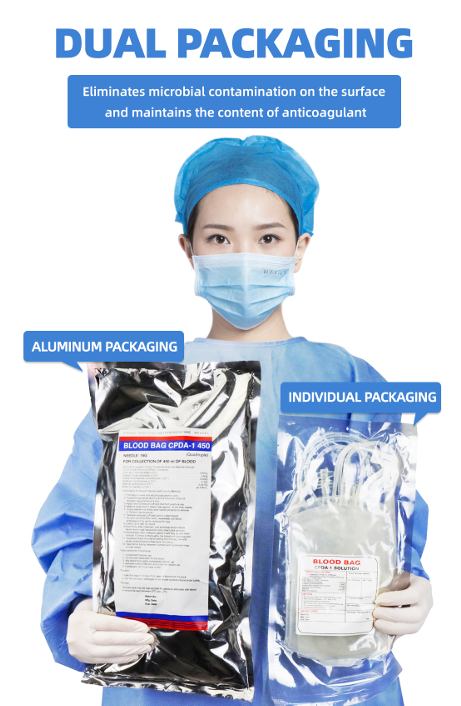
The efficacy of the chemical solution is inherently linked to its physical delivery and storage system. The design of the CPDA-1 single blood bag as a closed, single-unit container is a significant factor. This configuration minimizes the risk of bacterial contamination during the initial collection and throughout the storage period, as the blood does not need to be transferred between containers for processing. The materials used for the bag are engineered to be inert and to allow for optimal gas exchange, while also providing a durable barrier. This integrated approach ensures that the protective chemical environment remains consistent and uncompromised from collection to transfusion.
The extension of red blood cell shelf life is therefore a result of coordinated chemical and physical principles. The CPDA-1 anticoagulant solution performs sequential roles—from inhibiting clotting to supporting cellular metabolism—while the single-bag design maintains a sterile and stable environment. For healthcare systems managing blood supplies, this reliable functionality is essential. Our work at WEGO Medical involves a detailed understanding of these interconnected systems, as we contribute to the supply chain that makes these vital resources available. The CPDA-1 single blood bag stands as a clear example of how integrated design addresses a complex biological challenge.