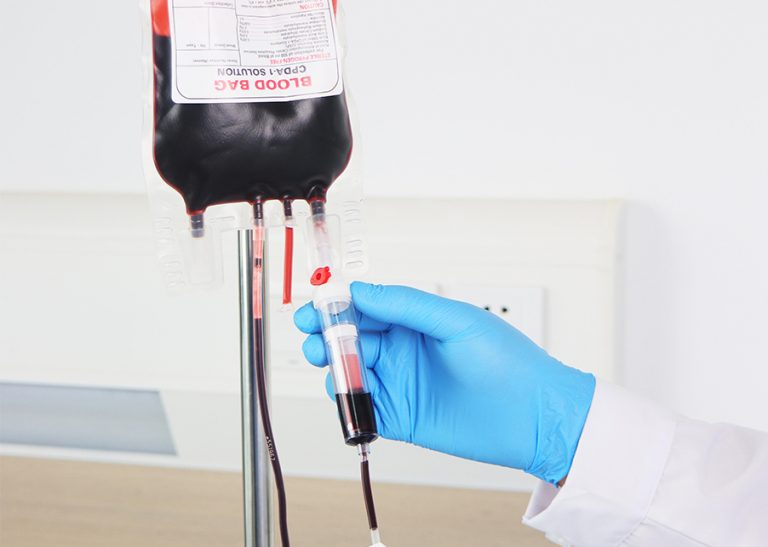







Successful transfusion and accurate diagnosis depend entirely on the quality of the collected blood unit. A single clot can render a unit unusable, creating waste and potential delays in patient care. The integration of anticoagulant solutions directly into blood collection bags represents a fundamental design approach to this challenge. At WEGO Medical, we see this integration as a critical, pre-emptive measure that standardizes a key variable in the collection process. This article explains the functional mechanism of these systems and how their design helps prevent clotting-related issues from the moment of donation.
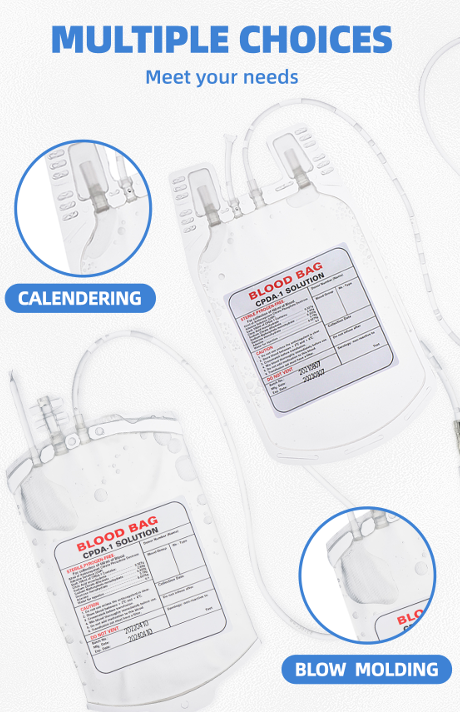
The Science of Pre-Mixed Anticoagulant Formulas
The core function of these specialized blood collection bags with anticoagulant is to provide immediate and uniform mixing upon blood entry. The anticoagulant, typically a solution like CPDA-1, is pre-measured and sealed within the sterile bag’s primary container. This design eliminates the manual, step-dependent process of adding anticoagulant separately, a stage where miscalculation or uneven mixing could occur. As blood flows into the bag, it immediately encounters the solution. The chemicals within the anticoagulant, such as citrate, work by binding ionized calcium, which is a necessary component for the coagulation cascade. This immediate binding action inhibits the series of enzymatic reactions that lead to clot formation, preserving the blood in a liquid, usable state. For WEGO Medical, supporting the use of such integrated systems is part of advocating for solutions that build critical safeguards directly into the product design.
Standardizing the Critical Initial Collection Phase
The period immediately following needle insertion is when the risk of coagulation initiation is highest. Manual methods require precise timing and technique to ensure proper anticoagulant contact. Blood collection bags with anticoagulant are engineered to manage this phase automatically. The pre-existing volume of anticoagulant ensures the first milliliter of blood entering the bag is treated instantly, preventing the initiation of microclots that could propagate throughout the entire unit. This automated start is crucial for consistent outcomes, as it reduces reliance on the collector’s speed or technique for this specific function. It creates a more standardized collection event, making the process less variable and the result—a homogeneous, clot-free unit—more predictable. This reliability is a key factor in efficient blood bank operations.
Ensuring Preservation Throughout Storage and Handling
Preventing clotting is not solely about the initial collection; it is about maintaining integrity for the shelf life of the product. Once collected, the blood and anticoagulant mixture must remain stable during storage, transport, and processing. The precise formulation and volume ratio in blood collection bags with anticoagulant are calculated to provide adequate protection throughout this period. The consistent environment inside the sealed bag allows the anticoagulant to work continuously, maintaining the viability of red blood cells and preventing the formation of clots that might occur during slower processes like component separation or while units are held at controlled temperatures. This end-to-end protection is vital for maximizing the utility of each donated unit.
The challenge of preventing coagulation in collected blood is addressed through proactive system design. By integrating a pre-measured anticoagulant solution directly into blood collection bags, the process controls a variable that is fundamental to sample utility. This integration supports immediate treatment upon collection, reduces procedural variability, and provides sustained protection during storage. We at WEGO Medical view these integrated systems as essential for operational reliability in blood services. Their use reflects an understanding that safety and efficacy are often best supported by designs that prevent errors before they can occur, ensuring that vital blood products are available and effective for every patient who needs them.