






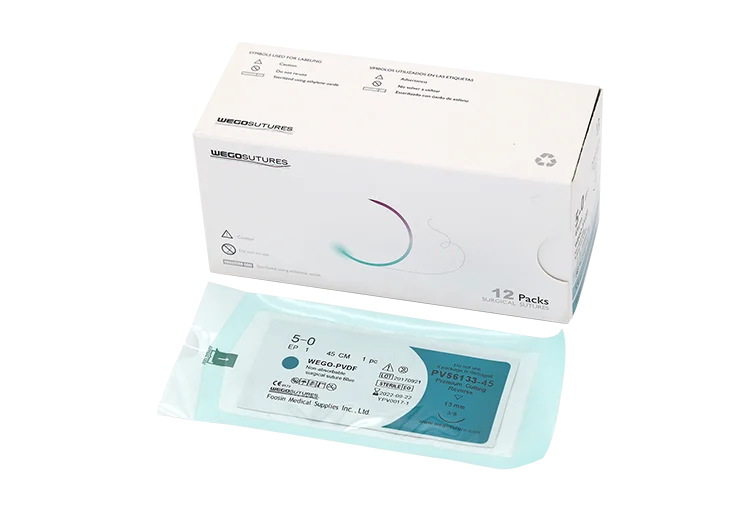
When we think about wound closure, the fundamental tool is the surgical suture. Its performance, however, is a direct result of its composition. The materials chosen to construct a surgical suture determine its behavior in the body, its handling characteristics, and its ultimate purpose. For medical professionals, understanding what these threads are made from provides insight into selecting the right tool for each clinical situation. At WEGO Medical, our focus involves a detailed understanding of these materials, guiding our approach to providing options that meet diverse surgical needs.
Absorbable Materials: Designed to Dissolve
A significant category of suture material is designed to be absorbed by the body’s tissues over time. These surgical suture materials are engineered from biodegradable polymers. Common examples include materials like polyglycolic acid, polylactic acid, and polydioxanone. Each substance has a distinct absorption profile and strength retention timeline. The core mechanism involves hydrolysis, where the material gradually breaks down in the presence of bodily fluids, and the byproducts are metabolized. This eliminates the need for removal, making such sutures applicable for internal tissue repair and layered closures where long-term support is unnecessary once healing has progressed.
Non-Absorbable Materials: Providing Lasting Support
In contrast, non-absorbable sutures are made from materials that resist degradation within biological tissue. They offer durable, long-term mechanical support. This category includes synthetic filaments like polypropylene, polyester, and nylon, as well as natural fibers such as silk or stainless steel. Each material brings specific properties; polypropylene is known for its smooth passage and minimal tissue reaction, while braided polyester offers high tensile strength and secure knot holding. A surgical suture from this group remains encapsulated by tissue and typically requires removal if used superficially, or provides permanent support in procedures like cardiovascular or orthopedic surgeries.
Construction and Coating: Enhancing Functionality
Beyond the core material, the physical construction of the thread is a critical factor. Sutures can be monofilament, a single strand offering low tissue drag and reduced risk of harboring microorganisms, or multifilament, which is braided or twisted for enhanced flexibility and knot security. Furthermore, many sutures receive coatings. These coatings can be designed to reduce tissue drag, improve knotting performance, or even incorporate antimicrobial agents. The choice of construction and coating works in concert with the base material to refine the suture’s characteristics. This attention to detail in manufacturing ensures that a surgical suture performs predictably in the surgeon’s hands and within the patient’s body, a principle that informs the portfolio at WEGO Medical.
The question of what makes a surgical suture is answered by a combination of sophisticated material science and precise engineering. The selection between absorbable and non-absorbable cores, paired with specific construction techniques, allows for tailored wound management strategies. This material-based understanding is central to developing and supplying devices that align with surgical requirements. We aim to support this clinical decision-making by providing clarity on the options available, reflecting our ongoing commitment at WEGO Medical to the fundamentals of surgical care.